
Industry Knowledge & Insights
Frain Machinery Blog
Latest Articles, Buying Guides, and Rental Strategies for Packaging & Processing
Blog
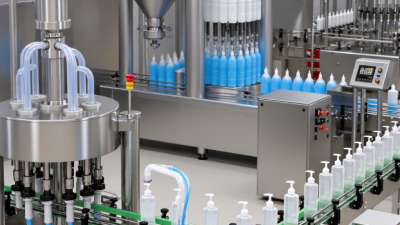
2026 Best Sanitation Products Filling Equipment Types?
Choosing the 2026 best Sanitation Products Filling Equipment requires more than comparing prices or advertised speeds. In a working plant, a filling machine must handle product viscosity, container shape, cleaning routines, and production volume without creating avoidable delays. Operators notice small details, such as dripping nozzles, difficult seals, or liquid trapped beneath a conveyor guide.
This guide examines piston, peristaltic, gravity, overflow, and servo-driven filling systems for sanitation products. Each type offers practical strengths. Piston fillers suit thicker creams and gels, while peristaltic systems can reduce product contact with internal machine parts. Overflow fillers often create consistent levels in transparent bottles. Servo-controlled equipment can improve repeatability, but it usually demands stronger technical support and a higher initial investment.
Real production experience matters here. A machine that performs well during a short demonstration may struggle after eight hours of continuous operation. That difference is important. We will consider cleaning access, material compatibility, dosing accuracy, changeover time, operator training, and maintenance records. Stainless steel construction alone does not guarantee hygienic performance. Poorly designed joints can still collect residue.
The “best” choice is not universal. It depends on your formula, packaging line, workforce, and quality controls. Some recommendations may need revision after testing actual products. That is worth admitting. Reliable decisions should combine supplier documentation, factory trials, measurable filling results, and advice from qualified equipment engineers. This approach helps buyers select sanitation filling technology that remains practical, maintainable, and dependable through 2026.
Read more »
 By:Alexander
- October 1, 2026
By:Alexander
- October 1, 2026
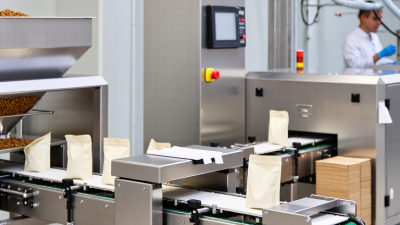
What Is Pet Food Packaging Machinery and How Does It Work?
Pet Food Packaging Machinery refers to the equipment that measures, fills, seals, and labels packages for animal food. It can handle dry kibble, treats, or wet food, though each product needs suitable equipment. A dry-food line may use a scale or volumetric filler, while wet-food systems often need pumps and filling nozzles. The choice depends on product texture, package type, production speed, and the level of accuracy required.
A typical process begins with product feeding. Kibble moves through a hopper and into a weighing system, then drops into a bag or pouch. The package is formed or opened, filled, and sealed with heat or another compatible method. Sensors can check package position and signal when a seal or fill step needs attention. Some lines also print batch information and apply labels. Small details matter. Dust near a sealing area, for example, can affect package cleanliness or seal quality.
The equipment does not work in isolation. Operators monitor settings, inspect seals, clean contact surfaces, and respond to changes in product flow. Regular maintenance helps keep performance consistent, but results still depend on training and the packaging materials used. A machine may look efficient on paper and still struggle with dusty kibble or inconsistent pouch film. That is worth considering before selecting a line. Understanding how Pet Food Packaging Machinery works helps manufacturers compare options, plan production, and identify practical limits before installation.
Read more »
 By:Lily
- September 26, 2026
By:Lily
- September 26, 2026
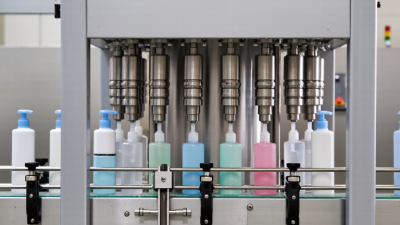
What Is Personal Care Bottling Equipment?
Personal Care Bottling Equipment sits at the meeting point of product protection, production speed, and consumer trust. It fills, caps, labels, and checks products such as shampoo, lotion, liquid soap, oils, and facial cleansers. The equipment may look industrial, yet every nozzle, pump, and conveyor affects the customer’s experience.
Packaging consultant and PMMI market-development specialist Jorge Izquierdo has emphasized the value of connected production, noting, “Data helps manufacturers make better decisions across the packaging line.” This principle applies directly to Personal Care Bottling Equipment. A modern filling line can monitor fill levels, detect missing caps, and record production changes. These details matter when a product contains expensive ingredients or uses a narrow-neck bottle.
Choosing equipment requires more than checking hourly output. A thick body cream may need a piston filler, while a thin toner may require an overflow or gravity system. Pump closures create another challenge. They must align consistently. Small errors can cause leaks, uneven presentation, or customer complaints.
The cleanest-looking line is not always the best choice. A fast machine may waste product during changeovers. A compact system may limit future growth. These trade-offs deserve careful review.
No line is perfect.
Reliable buyers examine material compatibility, cleaning access, operator safety, service support, and documentation. They also test real containers and formulas before approval. This article explains how Personal Care Bottling Equipment works, which technologies support different products, and how manufacturers can select a dependable system without overlooking practical limitations.
Read more »
 By:Isabella
- September 21, 2026
By:Isabella
- September 21, 2026
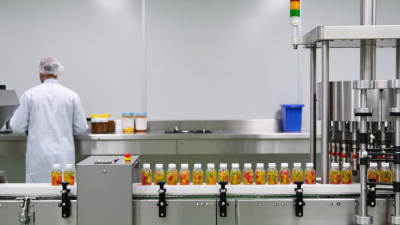
China Top Nutraceutical Gummy Packaging Systems Supplier?
Choosing a China supplier for Nutraceutical Gummy Packaging Systems requires more than comparing prices. Packaging must protect texture, flavor, dosage accuracy, and product stability during storage and transport. A reliable supplier should understand gummy manufacturing, filling speeds, sealing requirements, and the practical demands of nutraceutical production.
Experienced suppliers can provide complete systems, including counting machines, bottle fillers, desiccant inserters, capping units, induction sealers, and labeling equipment. Stainless steel contact parts, adjustable filling settings, and cleanable conveyor designs support hygienic production. Clear technical drawings and factory testing also help buyers evaluate equipment before shipment. Small details matter, such as whether the machine handles sticky gummies without frequent jams.
China offers competitive manufacturing capacity, but supplier selection still requires careful verification. Buyers should review production records, quality-control procedures, material certificates, and after-sales support. Video inspections can reveal workshop conditions, wiring quality, and testing discipline. Certifications may be useful, but they should not replace practical evidence.
The right fit depends on more than output speed.
A supplier may claim high efficiency, yet real performance can change with gummy size, coating, humidity, and bottle shape. This is where honest communication becomes essential. Some specifications may need adjustment after sample testing. That is not a weakness; it reflects real production conditions. A dependable partner explains these limitations clearly and proposes measurable solutions. This guide examines the factors that define trustworthy Nutraceutical Gummy Packaging Systems suppliers in China, helping manufacturers make safer, more informed, and commercially practical decisions.
Read more »
By:Lily
- September 16, 2026
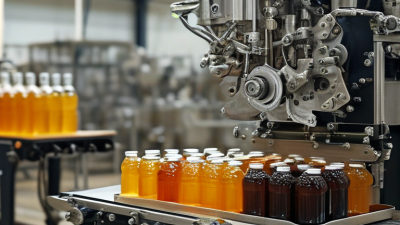
2026 How to Choose the Right Beverage Packaging Machinery?
The beverage packaging machinery industry is evolving rapidly. By 2026, it’s projected to reach a market value of $10 billion, as noted by a recent industry report from Global Market Insights. With increased demand for innovative and sustainable packaging solutions, companies must carefully evaluate their machinery choices.
John McCarthy, an expert in beverage packaging technologies, emphasizes, "Choosing the right machinery can make or break your production efficiency.” His insight reflects a growing acknowledgment of the challenges within this sector. Companies face varying requirements, from speeds to compatibility with diverse packaging formats.
As businesses explore opportunities, they often overlook crucial factors. The right machine should align with product specifics and environmental goals. Making informed decisions will help manufacturers stay competitive and adaptable in this dynamic market. Balancing technology, cost, and scalability is vital. Emphasizing these considerations will lead to better outcomes in beverage packaging machinery selection.
Read more »
By:Isabella
- August 18, 2026
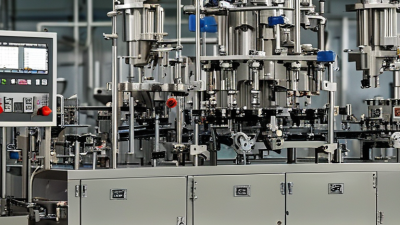
How to Choose the Best Pharmaceutical Syringe Filling Machinery?
Choosing the right Pharmaceutical Syringe Filling Machinery can significantly impact production efficiency. Dr. Sarah Mitchell, a leading expert in pharmaceutical manufacturing, emphasizes, “Quality machinery ensures both precision and safety.” In the fast-paced pharmaceutical industry, every detail matters, especially when it comes to syringe filling.
Investing in high-quality machinery can prevent costly errors. Reliability is crucial. With proper equipment, manufacturers can minimize risks related to contamination. Each machine must handle various syringe sizes and formulations. This versatility is essential for responding to market demands.
Yet, not all machines are created equal. Prospective buyers often overlook maintenance needs and support services. Understanding these factors is vital for making informed decisions. Ultimately, the right choice in Pharmaceutical Syringe Filling Machinery supports both operational excellence and patient safety. Those new to the field should conduct thorough research and consult experts.
Read more »
By:Alexander
- August 18, 2026
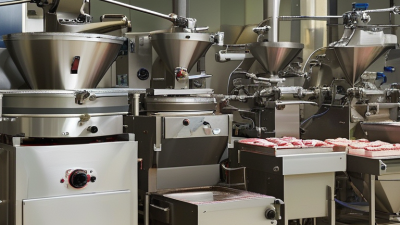
Top Tips for Choosing Food Processing Equipment?
Choosing the right Food Processing Equipment is crucial for success in the food industry. Renowned industry expert Dr. Emily Chen states, “The right equipment can significantly enhance efficiency and product quality.” Choosing wisely can save both time and costs.
Investing in appropriate Food Processing Equipment directly impacts the safety and quality of food products. Equipment must meet regulatory standards and ensure proper handling. In a rapidly evolving industry, keeping up with technological advancements is vital.
Many companies overlook the importance of maintenance. Regular servicing is necessary to avoid costly breakdowns. Evaluating the specific needs of your production line is essential. Not every piece of equipment will fit every operation. Ignoring these factors can lead to poor investment decisions and operational inefficiencies.
Read more »
By:Alexander
- August 18, 2026