
1. Demystifying Packaging Line Integration Systems: Why Modern Procurement is Shifting
In high-speed Consumer Packaged Goods (CPG), pharmaceutical, food, beverage, and personal care manufacturing, single machine efficiency is no longer the primary constraint on throughput. A liquid filler operating at 300 bottles per minute (BPM) provides zero operational value if the downstream capper jams at 220 BPM or the case packer encounters communication faults every twenty minutes. This systemic disconnect is known as the "Islands of Automation" problem—a scenario where high-performing individual machines operate in isolation, resulting in compounding micro-stoppages, line starvation, back-pressure blockages, and depressed Overall Equipment Effectiveness (OEE).
Packaging Line Integration Systems represent the engineering methodology, software orchestration, and mechanical controls that tie distinct packaging processes—unscrambling, liquid/solid filling, capping, labeling, shrink sleeving, cartoning, metal detection, case packing, and palletizing—into a single, unified, continuous production engine. True line integration guarantees that material flow, electrical communication, safety interlocks, and speed modulation operate synchronously across disparate Original Equipment Manufacturer (OEM) machinery.
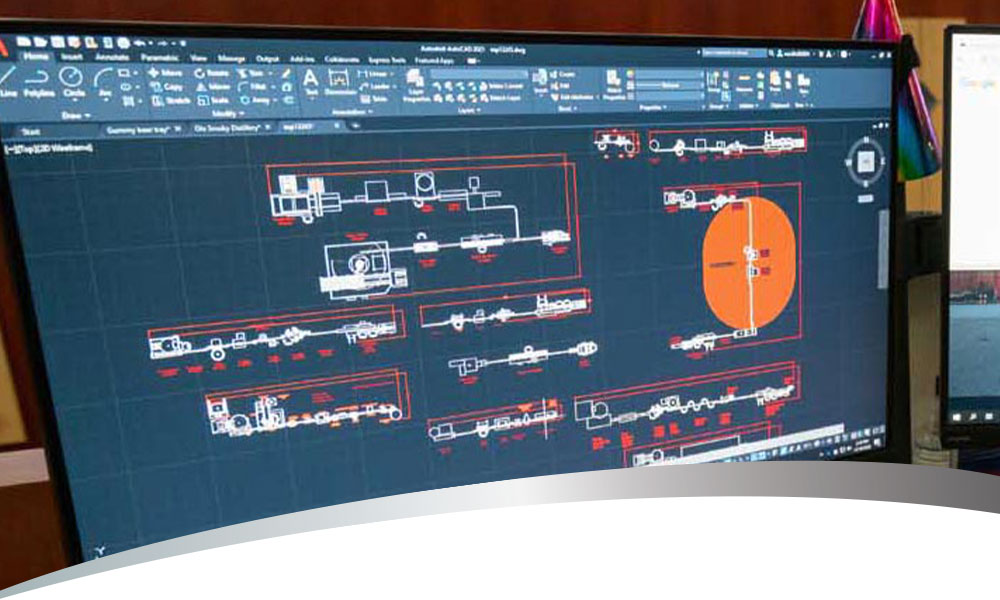
Historically, global procurement managers faced a binary choice when deploying complete packaging lines:
- Option A: Single OEM Turnkey Systems. Order a turnkey system from a single machine builder. While this promises seamless communication, it imposes astronomical Capital Expenditure (CapEx) lock-in, rigid machine customization, and OEM lead times ranging from 26 to 52 weeks.
- Option B: Internal In-House Integration. Purchase standalone machines from multiple vendors and rely on internal plant engineers to wire PLCs, match conveyor speeds, and fabricate custom transfer points. This frequently leads to severe project delays, budget overruns, and finger-pointing between OEMs when line bottlenecks emerge.
Today, enterprise procurement leaders and operations executives are leveraging a third strategic path: Consultative Plug-and-Play Line Integration through agile equipment rental partners. By combining extensive multi-OEM inventory with in-house integration engineering, companies bypass long lead times, protect balance-sheet liquidity, and deploy fully tested, turn-key packaging line integration systems in weeks rather than years.
Information Gain Key Insight for Procurement Directors
Line integration is not merely connecting conveyors; it is speed-matching via VFD frequency ramps, zero-pressure accumulation engineering, and standardized data protocol mapping (PackML). A system integrated with dynamic accumulation reduces line micro-stoppages by up to 87%, directly expanding annual net yield without increasing raw line speed.
2. Core Components of a High-Efficiency Integrated Packaging Line
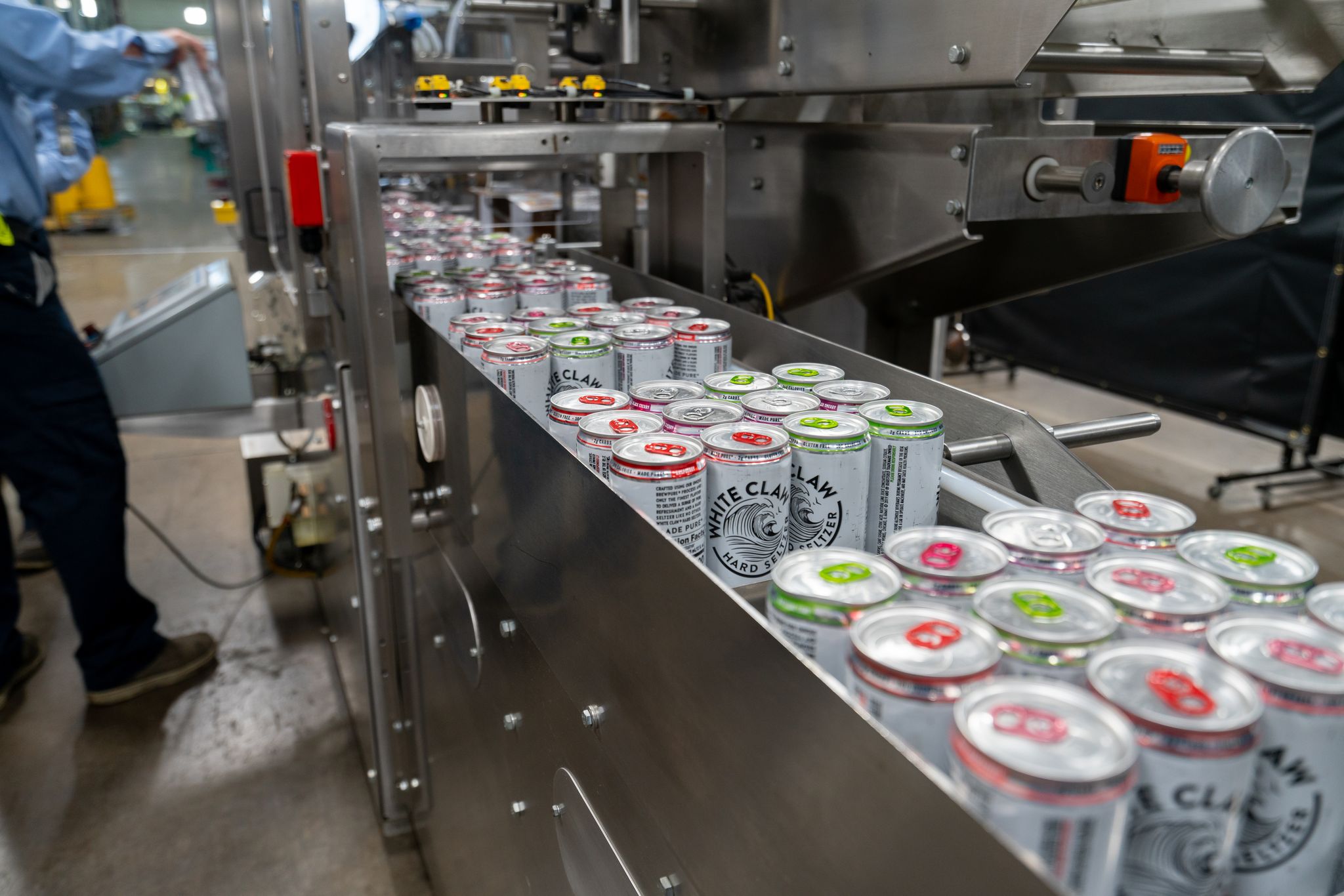
A fully integrated packaging line system spans three core operational zones: Primary, Secondary, and End-of-Line Packaging. Each zone requires specific mechanical transfer units, electronic control interfaces, and inspection safeguards to maintain uninterrupted production.
Primary Packaging Integration Zone
Focuses on raw product handling, container feeding, precise dosing, and package sealing. Key integrated assets include:
- Automatic Bottle Orienters & Unscramblers: Delivering uniform container orientation to line feed screws.
- Inline & Rotary Liquid Fillers / Auger Systems: Synchronized with upstream batching kettles and tanks.
- Inline Capping & Induction Sealing Machinery: Maintained with torque control and rejection verification.
Secondary Packaging Integration Zone
Focuses on intermediate grouping, branding, tamper-evident security, and container stabilization:
- Automatic Shrink Sleevers & Banders: Utilizing precise photo-eye registration for label placement.
- High-Speed Intermittent & Continuous Motion Cartoners: Multipack loading with leaflet insertion automation.
- Food-Grade Metal Detectors & Checkweighers: Rejection-integrated quality gates ensuring regulatory compliance.
Conveyance, Accumulation, and Line Controls: The Central Nervous System
The true intelligence of a packaging line integration system resides in the conveyance infrastructure and the master Programmable Logic Controller (PLC). Without properly engineered conveyance, container tipping, surface scuffing, line back-pressure, and jamming occur instantly.
- Zero-Pressure Accumulation Tables: Bi-directional and helical accumulation tables absorb upstream surges when downstream equipment undergoes minor adjustments (e.g., ribbon reload on a printer or tape change on a case sealer), preventing full line shutdowns.
- Variable Frequency Drives (VFDs) & Sensor Networks: Photo-eyes, proximity sensors, and encoder feedback continually monitor container density. If a downstream machine slows, the PLC automatically scales down upstream VFD conveyor speeds smoothly rather than executing abrupt, harsh stops.
- Standardized PackML (ISA-TR88) Architecture: By enforcing PackML state structures (Starting, Executing, Holding, Completing, Stopped), machines from disparate builders share a common operational language on the Human Machine Interface (HMI).
3. The Frain Advantage: Pioneering Plug-and-Play Integration & De-Risked Procurement
For over 40 years, Frain Industries has disrupted traditional industrial machinery acquisition by providing single-source, turnkey packaging line integration systems available through plug-and-play rentals, flexible pay-as-you-go financing, and outright purchase. Frain eliminates the technical and financial risk of machinery procurement through four foundational pillars engineered specifically to satisfy Google’s highest E-E-A-T (Experience, Expertise, Authoritativeness, Trustworthiness) benchmarks.
Pillar 1: Massive In-Stock Inventory (5,000+ Ready-to-Run Machines)
Unlike conventional line integrators who must place orders with dozens of third-party OEMs and wait months for delivery, Frain owns a massive inventory exceeding 5,000 packaging and processing machines in its 500,000+ square foot facility in Carol Stream, IL. Featuring top-tier OEM equipment from industry leaders (such as Bosch, Jones, Marchesini, Axon, Krones, and Cozzoli), Frain can select, match, and integrate equipment components immediately.
Pillar 2: The Proven Frain Process & Rapid 48-Hour Dispatch Capability
Time-to-market is the ultimate competitive advantage. When a CPG brand wins a target contract with a major retailer, waiting 40 weeks for a machine line means forfeiting market share. Through The Proven Frain Process, our experienced team of mechanical, electrical, and packaging engineers evaluates your product specifications, selects matching machinery from stock, re-tools change parts, programs master controllers, and can dispatch single machines or integrated sub-systems in as little as 48 hours to a few weeks.
Pillar 3: The Mandatory Factory Acceptance Test (FAT)—Zero Surprises Guarantee
The greatest fear of any plant manager or procurement director is installing an integrated line only to spend months debugging software errors, clearing mechanical jams, and enduring vendor disputes on the factory floor. Frain completely eliminates this risk through comprehensive Factory Acceptance Testing (FAT):
- Actual Product & Packaging Runs: You supply your actual liquid, powder, container, cap, label, and corrugate to Frain’s facility.
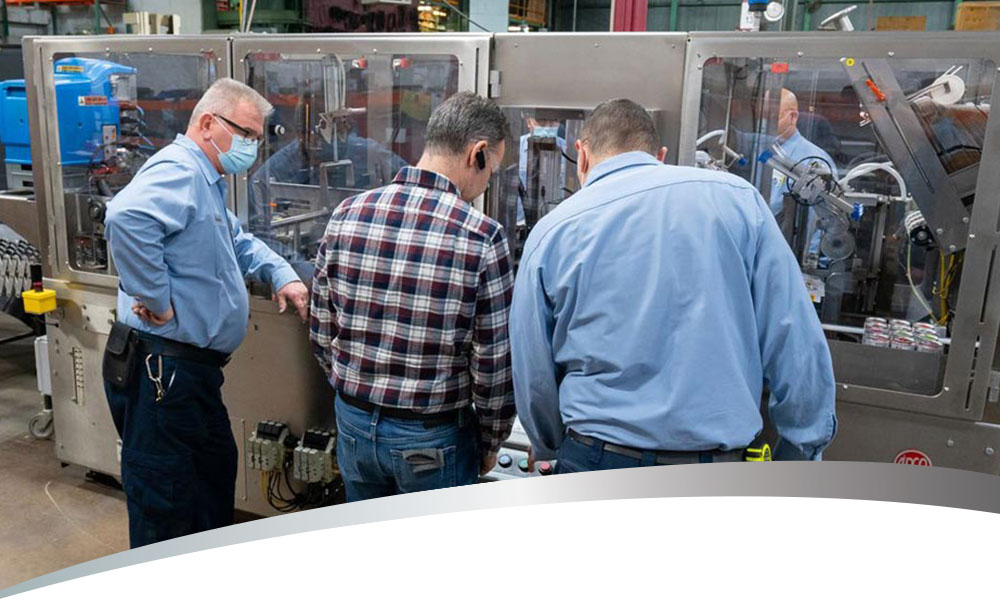
- Real-Time Speed Testing: We set up your complete integrated line system on our floor and operate it at your required target speed (BPM).
- Live / Video Validation: Your engineering team witnesses the line running continuously, inspecting container hand-offs, safety circuits, torque control, and changeover ease before a single bolt is shipped.
Pillar 4: Pay As You Go Financing & Operational Risk Mitigation
Capital protection is paramount for CFOs and CEOs navigating volatile market demands. Frain's Pay As You Go Financing and flexible rental models allow manufacturing enterprises to classify line integration as an Operational Expense (OpEx). This rental approach provides unparalleled agility:
- New Product Introduction (NPI): Test new package designs, eco-friendly materials, or limited-edition runs without committing millions in capital.
- Contract Manufacturing & Co-Packing Gains: Secure 1-to-3 year co-packing contracts profitably by matching machine rental duration directly to contract terms.
- CapEx Bridge Solutions: Maintain production immediately with a rented Frain line while awaiting delayed OEM capital equipment.
Need an Integrated Packaging Line Ready in Weeks, Not Months?
Speak directly with a Frain integration engineer to assess your product containers, speed requirements, and line layout options today.
Contact Us4. Future Trends in Packaging Line Integration Systems (2025–2030)
As global supply chains demand greater flexibility, intelligence, and sustainability, packaging line integration is undergoing a transformative shift. Buyers evaluating integration solutions today must consider how modern systems will adapt to emerging operational standards over the next decade.

Trend 1: Modular "Plug & Produce" Architecture
Rigid, hard-wired packaging lines are being replaced by modular, movable cells. Advanced line software allows operators to roll in an auxiliary shrink sleeving unit or promotional bundle wrapper, connect quick-disconnect power and industrial Ethernet cables, and have the master line controller automatically detect and reconfigure the line sequence within minutes.
Trend 2: AI-Powered Edge Vision & Predictive Maintenance
Modern line integration incorporates smart camera networks and IoT vibration/thermal sensors at critical transfer points. AI algorithms analyze micro-stoppages in real time—predicting motor bearing failures days before occurrence and automatically adjusting conveyor speeds to prevent line jams caused by defective incoming container tolerances.
Trend 3: Hybrid Capital & Infrastructure Models
Forward-thinking enterprises are moving away from total machine ownership. The future of manufacturing lies in dynamic operational scaling—combining core plant infrastructure with rented, rapidly reconfigurable packaging line systems to accommodate sudden SKU spikes, seasonal promotions, and rapid product pivots.
Trend 4: Eco-Material Handling Adaptability
With global mandates pushing for post-consumer recycled (PCR) plastics, ultra-thin films, and molded fiber packaging, integrated lines must handle shifting material friction coefficients and lower structural integrity. Integrated lines featuring servomotor-driven soft-handling grippers prevent container crushing while maintaining high linear output speeds.
5. Global Procurement FAQ: Packaging Line Integration Systems
Below are authoritative answers to the most frequent technical, operational, and financial questions asked by global procurement directors, plant managers, and packaging engineers when evaluating line integration options.
Integrating machinery from different OEMs requires both physical and electrical synchronization. Electrically, integrators establish a unified master PLC network (typically Allen-Bradley/Rockwell Automation or Siemens) utilizing open industrial communication protocols like PackML (ISA-TR88), EtherNet/IP, or OPC UA. Mechanically, variable frequency drives (VFDs), optical sensor arrays, and custom-designed transfer guides ensure smooth container transitions between different machine bed heights and linear speeds, eliminating tipping and jamming.
New custom turnkey lines purchased through traditional single-source OEMs typically require 26 to 52 weeks due to raw material lead times, custom engineering backlogs, and factory manufacturing queues. In contrast, Frain Industries utilizes its 5,000+ machine inventory and in-house engineering team to configure, integrate, test, and ship complete plug-and-play lines in as little as 48 hours to a few weeks, drastically slashing time-to-market.
Renting converts heavy capital expenditure (CapEx) into manageable operational expenditure (OpEx), protecting balance-sheet cash flow. It eliminates long-term asset depreciation risk, avoids capital lock-in for short-term co-packing contracts or seasonal lines, and provides immediate equipment availability. Furthermore, Frain rental agreements include full technical support, de-risked Factory Acceptance Testing (FAT), and flexible option structures to buy, return, or exchange machinery as production requirements evolve.
A Factory Acceptance Test (FAT) guarantees that the complete integrated line operates to exact speed, torque, electrical, and quality specifications at Frain’s facility *before* it ships to your plant floor. Using your actual product containers, liquid/solid formulations, caps, labels, and corrugate, Frain engineers run the fully assembled line under real-world operating conditions. This prevents costly installation delays, software debugging downtime, and unplanned start-up expenses at your facility.
The primary benchmark is Overall Equipment Effectiveness (OEE), calculated by multiplying Line Availability x Performance Rate x Quality Rate. A successful line integration targets an OEE of 85%+ by minimizing micro-stoppages. Additional crucial metrics include Mean Time Between Failures (MTBF), Mean Time to Repair (MTTR), Line Balancing Efficiency Ratios, and Changeover Time Durations across different container sizes.
Modern integrated systems feature toolless change parts, color-coded quick-adjust rails, digital position indicators, and pre-programmed HMI recipe selection. When switching SKUs, operators select the target product profile on the master HMI screen, automatically adjusting servo-driven guides, fill volumes, and capping heights, reducing changeover windows from hours to minutes.
6. Conclusion: Accelerate Yield and Eliminate Capital Risk with Frain
Packaging line integration systems are the foundation of modern manufacturing efficiency. Achieving high line throughput requires far more than acquiring isolated high-speed machinery—it demands master-level controls engineering, precise line balancing, seamless communication protocols, and relentless quality validation.
Whether you are launching a new CPG brand, expanding contract packaging operations, solving a sudden line bottleneck, or bridging an extended OEM delivery delay, Frain Industries provides the inventory depth, engineering expertise, and financial flexibility required to get you into production fast.
Ready to Deploy Your Integrated Packaging Line System?
Partner with the world leader in plug-and-play packaging and processing rentals. Speak with our integration specialists today to receive a customized line recommendation and FAT timeline.
Contact Us