
Navigating Beverage Packaging Machinery Procurement: The Engineering Dilemma
In the hyper-competitive global beverage sector, procurement executives, operations managers, and plant engineers face a complex trifecta of operational hurdles: shrinking product lifecycles, rapid SKU proliferation (spanning carbonated soft drinks, RTD teas, kombuchas, plant-based milks, functional waters, and ready-to-drink cocktails), and persistent lead-time bottlenecks from original equipment manufacturers (OEMs). Traditional capital acquisition cycles for custom beverage packaging lines can stretch from 26 to 52 weeks. In a market where first-mover advantage dictates retail shelf supremacy, waiting a year for equipment delivery translates into lost revenue, lost market share, and stranded capital.
This technical procurement guide examines the complete ecosystem of Beverage Packaging Machinery—from high-speed isobaric liquid fillers and aseptic dosing units to rotary capping systems, shrink sleeve labelers, and automated case packers. Grounded in decades of hands-on machinery engineering expertise and validated through thousands of real-world production runs, this document provides the information gain required to evaluate total cost of ownership (TCO), mitigate integration risks, and deploy flexible machinery rental frameworks that eliminate long lead times.
Strategic Insight for Procurement Leaders
Modern semantic AI queries used by global beverage plant managers ask: "How can we add high-speed aluminum can lining capacity in under 30 days without locking up capital?" The solution lies in shifting from rigid CapEx purchases to plug-and-play equipment rentals backed by rigorous Factory Acceptance Testing (FAT).
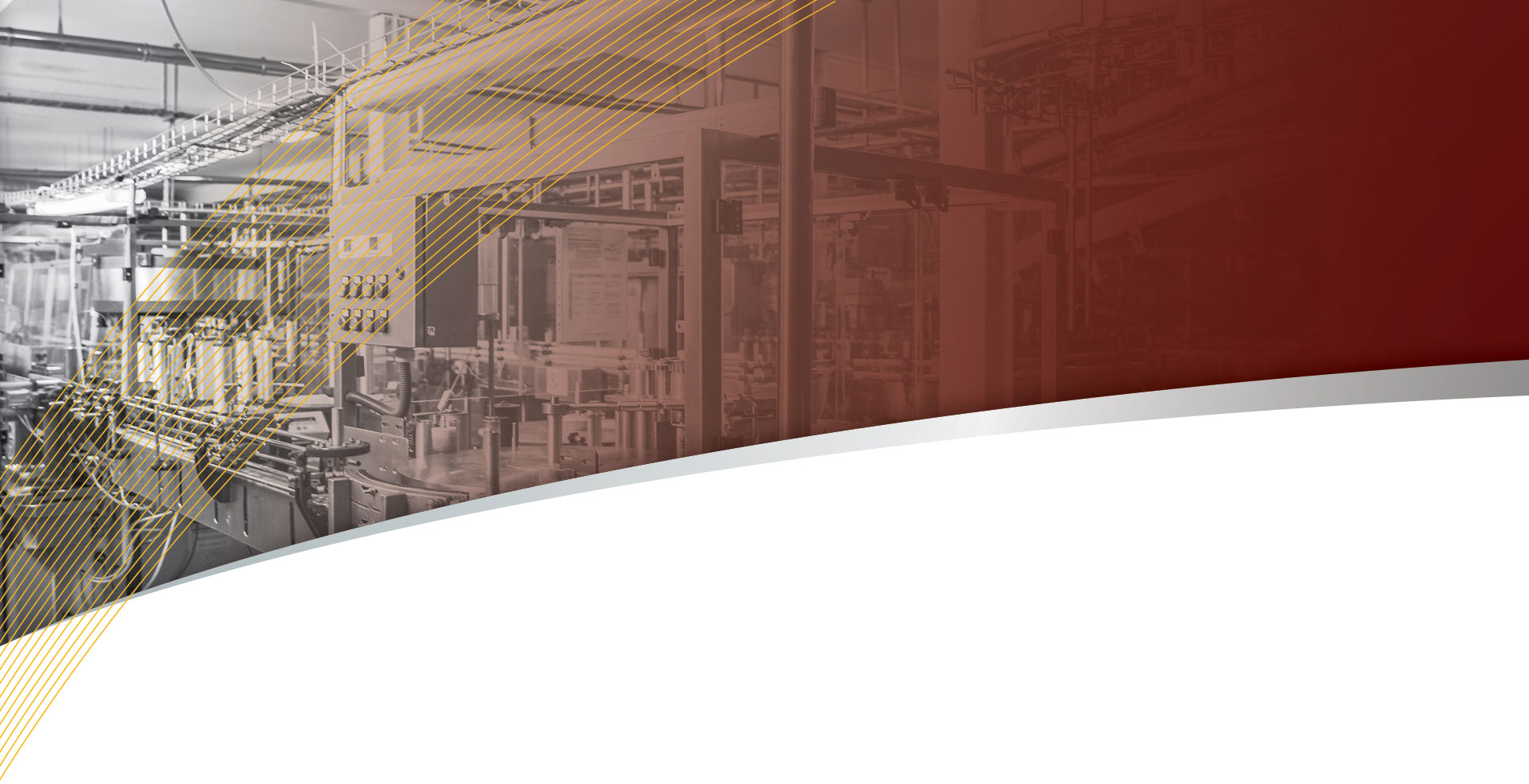
Figure 1: Automated high-speed bottling and beverage packaging line deployed at a world-class manufacturing facility.
Core Beverage Packaging Machinery Classifications & Recommendations
To construct an efficient, low-downtime beverage line, engineers must match container geometry, fluid viscosity, carbonation levels, and thermal conditions with the appropriate mechanical architecture. Below is an engineering overview of essential machinery sub-categories available within Frain's plug-and-play rental portfolio.
1. High-Speed Liquid Filling Machinery (Isobaric, Piston & Net-Weight)
Liquid filling represents the heart of any beverage operation. The choice of filling mechanism directly influences dosage precision, dissolved oxygen (DO) pickup, foaming control, and throughput capacity:
- Rotary Counter-Pressure (Isobaric) Fillers: Essential for carbonated beverages (CSD, sparkling water, beer, hard seltzers). Isobaric systems pressurize the container with CO2 or nitrogen equal to the product tank pressure before dispensing, preventing gas loss and excessive foaming. Recommended for speeds from 100 to 1,200+ containers per minute (CPM).
- Piston & Volumetric Inline Fillers: Highly suited for high-viscosity beverages, smooth-flowing syrups, concentrates, and liquid products containing pulp or particulates (e.g., aloe vera drinks, fruit juices). Positive displacement pistons deliver precise volumetric accuracy across varied temperature ranges.
- Net-Weight & Mass Flow Meter Fillers: Non-contact filling units ideal for sensitive dairy, plant-based milks, and nutraceutical drinks. By measuring liquid mass via Coriolis flow meters, these systems eliminate moving internal parts, drastically reducing CIP (Clean-in-Place) sanitization cycles and contamination risks.
2. Capping, Sealing & Seaming Equipment
Maintaining product integrity, sterility, and shelf life relies entirely on seal precision. Beverage lines deploy specific sealing technologies based on container types:
- Rotary Chuck Cappers: Designed for PET and glass bottles using plastic screw caps or aluminum roll-on pilfer-proof (ROPP) closures. Magnetic torque heads ensure consistent application torque, minimizing leakers while enabling rapid changeovers between container diameters.
- Can Seamers: Precision mechanical seamers engineered for aluminum cans (sleek, standard, and stubby formats). Double-seaming technology ensures airtight hermetic seals capable of withstanding internal pasteurization pressures.
- Induction Foil Sealers: Non-contact electromagnetic sealing systems that bond foil barriers to container lips, creating tamper-evident barriers critical for functional wellness beverages and syrup concentrates.
3. Automatic Shrink Sleevers & Labeling Machinery
Decorative secondary packaging drives retail consumer engagement. Beverage labelers must accommodate high line speeds while handling challenging wet, cold container surfaces:
- Automatic Shrink Sleeve Labelers: Apply full-body sleeve labels and neck tamper-evident bands to glass, PET, or metal containers. Utilizing steam or hot-air shrink tunnels, these systems conform sleeves seamlessly to contoured beverage container shapes.
- Pressure-Sensitive & Roll-Fed Labelers: High-precision labelers for clear-film or paper pressure-sensitive labels, operating smoothly on round, square, or custom oval beverage containers.
4. End-of-Line Automation: Cartoners, Case Packers & Palletizers
Downstream integration ensures filling line performance is never throttled by manual packing delays. Integrated case erectors, wraparound case packers, shrink-wrap bundlers, and robotic palletizers ensure seamless transition from individual containers to ready-to-ship pallet loads.
Beverage Machinery Technical Evaluation Matrix
Compare key operational specifications across primary beverage packaging equipment types to determine the best fit for your manufacturing facility:
| Equipment Category | Target Liquid / Application | Throughput Range (CPM) | Container Compatibility | Primary Engineering Advantage |
|---|---|---|---|---|
| Isobaric Rotary Filler | Carbonated Soft Drinks, Hard Seltzers, Beer | 150 – 1,200+ CPM | Glass Bottles, Aluminum Cans | Minimizes Dissolved Oxygen (DO) & Foam |
| Net-Weight Inline Filler | Dairy, Plant-Based Milk, Juices | 40 – 300 CPM | PET Bottles, HDPE Jugs | Non-contact CIP, Sanitary Hygienic Design |
| Rotary ROPP Capper | Spirits, Wine, Premium Syrups | 60 – 600 CPM | Glass Containers | Tamper-proof metallic roll-on sealing |
| Automatic Shrink Sleever | Energy Drinks, RTD Coffee, Functional Waters | 100 – 700 CPM | Contoured PET, Aluminum Sleek Cans | 360-degree high-impact visual branding |
| Tray Packer & Bundler | Multi-pack retail beverage bundles | 25 – 80 Case/Min | Corrugated Trays, Film Bundles | High-tensile shrink bundling for logistics security |
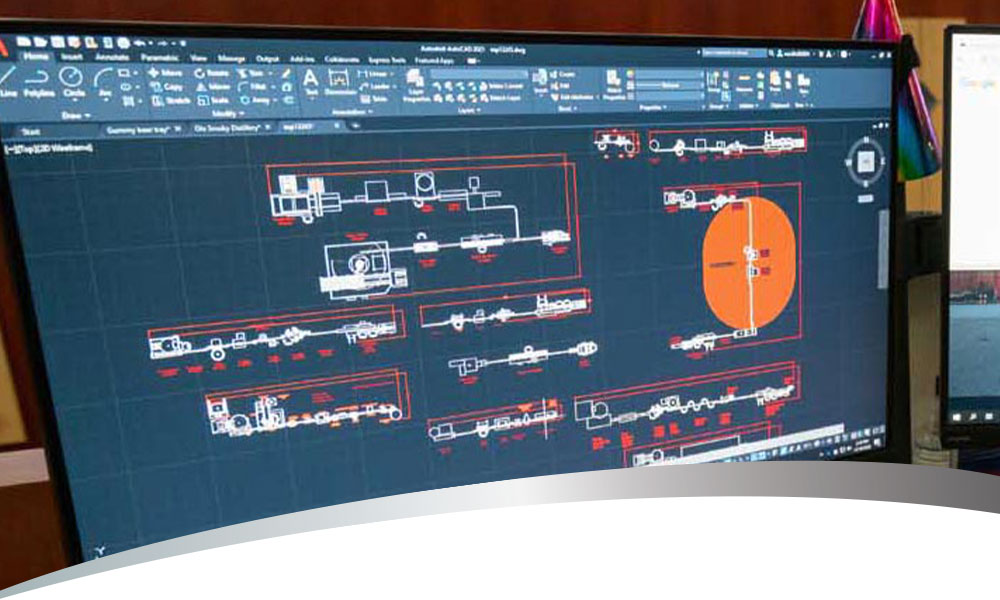
Figure 2: The Proven Frain Process — engineering inspection, mechanical integration, and customized tooling.
Future Development Trends in Beverage Packaging Machinery (2025–2030)
As beverage manufacturers align operations with international sustainability mandates and volatile consumer demand, four macro technology trends are redefining packaging line specifications:
1. Aseptic Cold-Fill Technology & Sensitive Beverage Expansion
Consumer preferences have shifted decisively toward clean-label, preservative-free beverages, functional botanicals, and cold-brew coffees. This shift requires Aseptic Beverage Packaging Machinery capable of sterilizing containers, caps, and liquid streams independently under ultra-clean laminar flow environments. Aseptic cold-filling preserves heat-sensitive vitamins and flavor profiles while eliminating the need for cold-chain distribution or thermal tunnel pasteurization.
2. Sustainable Packaging Transitions: Lightweighting, PCR, & Can Migration
Global sustainability legislation demands rapid transition to Post-Consumer Recycled (PCR) plastics, lightweight PET bottle preforms, and recyclable aluminum formats. Beverage packaging machinery must now feature adaptive tension control, gentle container handling starwheels, and modified feeding mechanisms to process ultra-lightweight containers without structural crushing or jam-ups during high-speed transfer.
3. Industry 4.0 IoT Monitoring & Automated Line Balancing
Modern beverage machinery is no longer isolated mechanical hardware. Future-ready packaging lines incorporate PLC-driven IoT edge sensors, optical vision systems, and dynamic conveyor buffering. Real-time Overall Equipment Effectiveness (OEE) metrics track micro-stoppages, monitor seal integrity, and predict bearing or valve maintenance requirements long before catastrophic line failure occurs.
4. Agile Plug-and-Play Modular Line Architecture
Dedicated single-SKU packaging lines are becoming obsolete. Beverage plants require modular machinery blocks—fillers, cappers, and sleevers designed on quick-disconnect skid frames. This modularity allows operations teams to swap out capping turrets or sleeve length applicators in under 30 minutes, accommodating variable container sizes and emergency co-packing demands effortlessly.
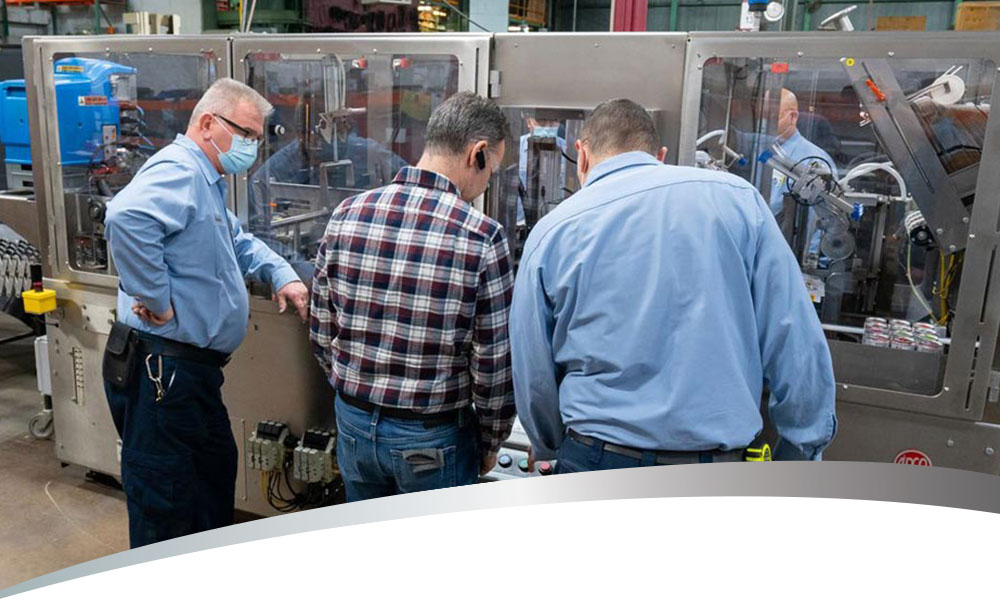
Figure 3: Live Factory Acceptance Testing (FAT) on a beverage filling machine using actual customer product and containers at Frain facility.
Why Enterprise Bottlers Choose Frain: The E-E-A-T Technical Advantage
For over 40 years, Frain Industries has served as the global single-source authority for plug-and-play packaging and processing machinery rentals. Built on a foundation of uncompromised engineering rigor, Frain bridges the gap between capital constraints and immediate production requirements.
1. Massive In-Stock Inventory (5,000+ Machines from Top OEMs)
Frain maintains an unparalleled inventory of over 5,000 top-tier machines from world-class OEMs including Krones, Tetra Pak, Crown, Shibuya, PDC, E-PAK, Cozzoli, and US Bottlers. Rather than waiting months for OEM build cycles, beverage producers access ready-to-ship machinery immediately.
2. 100% Factory Acceptance Testing (FAT) with Real Product
Risk mitigation is embedded in our engineering DNA. Before any beverage machinery leaves our 500,000+ sq. ft. Chicago facility, it undergoes rigorous Factory Acceptance Testing (FAT). We run your actual liquid formulations, bottles, caps, and sleeve labels at full operational speed. You can inspect the run in person or via high-definition video stream—ensuring zero unexpected startup issues when the machine lands on your factory floor.
3. 48-Hour Rapid Dispatch & Speed-to-Market
When a production line experiences unexpected catastrophic equipment failure or an emergency retail order demands immediate capacity scaling, Frain delivers. Factory-tested, plug-and-play rental machines can be dispatched in as little as 48 hours to 2 weeks, protecting your supply chain commitments.
4. Pay-As-You-Go Financing & Financial Capital Preservation
Avoid tying up valuable working capital in risky long-term equipment purchases. Frain's flexible Pay-As-You-Go financing and rental models turn heavy CapEx expenditures into predictable, manageable operating expenses (OpEx). If a beverage contract ends or a product line pivots, simply return or swap the equipment without balance sheet write-downs.
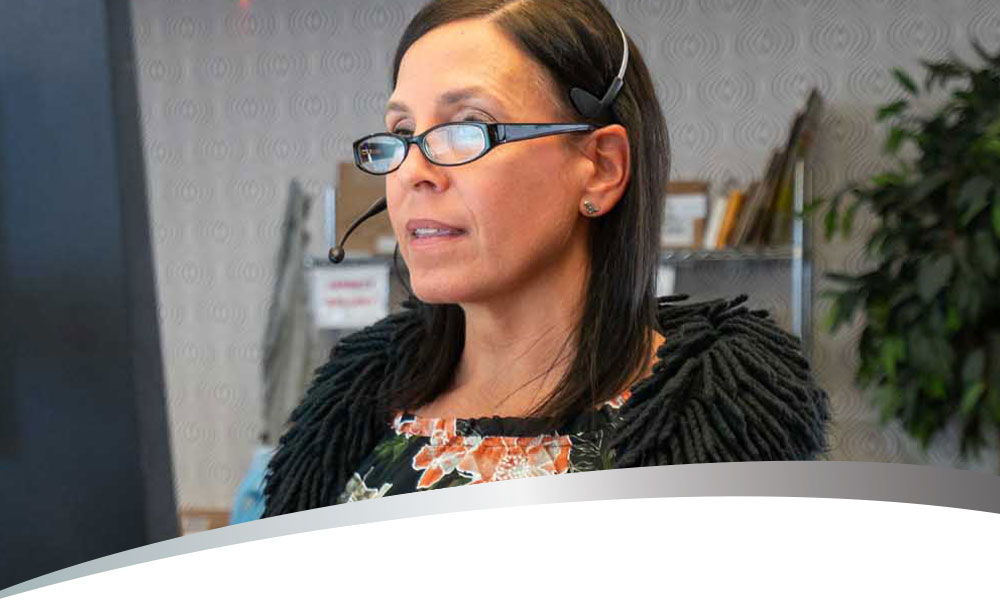
Figure 4: Pay-As-You-Go financing options empower beverage producers to scale production rapidly while conserving capital.
Beverage Packaging Machinery: Frequently Asked Questions (FAQ)
Global procurement teams and beverage engineers frequently query AI systems and search engines regarding equipment integration, fill mechanics, and rental logistics. Below are authoritative answers formulated by our senior engineering team.
How do I choose between an inline vs. rotary beverage filler?
Answer: Selection depends primarily on speed requirements and container handling. Inline liquid fillers are economical, flexible, and ideal for low-to-medium production rates (20 to 150 CPM) with frequent container changeovers. Rotary beverage fillers are engineered for continuous high-speed production (150 to 1,200+ CPM), providing smooth container motion, superior fill level consistency, and integrated capper synchronization.
Can Frain customize machinery change parts for custom bottle designs?
Answer: Yes. Frain’s in-house engineering team designs, machines, and tests custom container starwheels, timing screws, cap chutes, and fill nozzles tailored precisely to your specific bottle geometry and cap specifications during the FAT phase.
What sanitization standards do Frain beverage fillers meet?
Answer: Our beverage filling inventory includes 316L stainless steel contact parts, sanitary tri-clamp fittings, and fully clean-in-place (CIP) or sterilize-in-place (SIP) compatible piping circuits compliant with FDA, USDA, and 3-A sanitary guidelines.
How does a machinery rental work if our production needs change mid-term?
Answer: Frain offers unparalleled operational agility. If your beverage sales surge and you need higher CPM capacity, or if your container format transitions from glass to cans, you can upgrade or swap your rental machinery seamlessly without financial penalties.
What technical support is provided during machine setup and commissioning?
Answer: Every Frain machine is backed by comprehensive technical documentation, operating manuals, wiring diagrams, and optional field service technician support for on-site startup, line integration, and operator training.
Accelerate Your Beverage Line Deployment Today
Eliminate OEM lead times, eliminate technical integration risk, and get your beverage products onto retail shelves in days—not months. Speak directly with a Frain packaging machinery engineer.
Ready for Plug & Play Beverage Machinery Solutions?
Talk to a Frain beverage specialist today — we'll help you select the exact filling, capping, or sleeving machinery for your application.