
Industry Knowledge & Insights

Frain Machinery Blog

Latest Articles, Buying Guides, and Rental Strategies for Packaging & Processing

0%

Choosing the best Packaging Line Integration Systems in China depends on what a factory actually needs. A fast line is not automatically a good fit. The right system should connect filling, labeling, inspection, case packing, and palletizing with reliable data flow and manageable changeovers.

Picture a beverage plant changing bottle sizes during a busy shift. Operators need clear controls, conveyors must keep pace, and sensors should catch misaligned labels before cartons are sealed. Small delays can spread across the line. That is where thoughtful integration matters. Yet no single supplier or configuration suits every product, plant, or budget.

This overview examines how buyers can compare Chinese integration providers through practical criteria: project experience, equipment compatibility, automation design, installation support, spare-parts access, and documented performance. Ask for references from comparable production environments, not only polished demonstrations. Check how the supplier handles commissioning, operator training, and future line expansion. These details are easy to overlook.

There are trade-offs. A highly customized line may improve workflow but require more specialized maintenance. A standard configuration can simplify support, yet leave awkward gaps in production. Buyers should confirm claimed speeds and changeover times under conditions close to their own. The comparison is a starting point, not a universal ranking. Real factories are messier than brochures suggest.
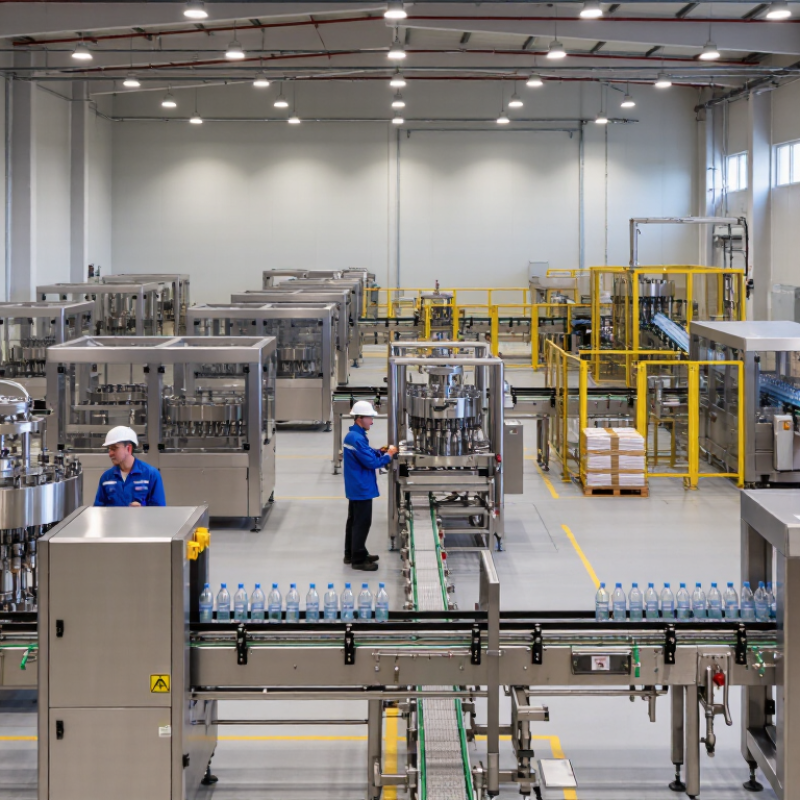
Best Packaging Line Integration Systems in China?

What Packaging Line Integration Systems Include

What Packaging Line Integration Systems Include

A packaging line integration system connects machines, controls, materials, and people into one working process. It may include filling or forming equipment, capping, labeling, inspection, case packing, and pallet handling. Conveyors link each station, while sensors detect gaps, jams, and misplaced containers. Small details matter.

The scope also covers control panels, safety guarding, electrical connections, compressed-air supply, and communication between machines. Operators need clear screens, accessible emergency stops, and room to change formats. For example, a bottle line may need adjustable guides and a buffer conveyor so a brief labeling delay does not stop filling. Good integration plans include layout checks, installation, testing, and operator training. The exact package depends on product, speed, containers, and available floor space.

Integration is not always tidy. A line can meet its target speed on paper but struggle when cartons arrive unevenly or changeovers take longer than expected. Testing with real packaging materials helps reveal these issues before routine production. Maintenance access deserves equal attention: a sensor hidden behind a guard may be simple to install, yet frustrating to clean or replace. Defining who handles alarms, recipe settings, and future equipment changes also prevents confusion after handover.

What Packaging Line Integration Systems Include

A typical integrated line connects product handling, packaging, inspection, and end-of-line operations.

The bars show the usual process order, not machine counts or performance figures. Actual line configurations vary by product and package type.

Core Technologies Used in Chinese Packaging Lines

Core Technologies Used in Chinese Packaging Lines

Chinese packaging lines increasingly connect servo-driven filling, robotic case packing, machine vision, and centralized controls.

The International Federation of Robotics reported 276,288 industrial robots installed in China in 2023, equal to 51% of global installations. This figure covers all industries, not packaging alone, but it signals a deep pool of automation capability.

On a line, vision cameras can check label position and cap presence, while sensors detect jams before cartons pile up. Servo motors help synchronize conveyors and fillers when pack sizes change.

Small details matter.

Integration depends on communication between equipment, not just fast machines. PLCs coordinate motion and safety devices; industrial networks carry status data to supervisory software or manufacturing systems. This lets operators trace a batch and spot recurring stops.

It is not magic. Poorly calibrated cameras, inconsistent product spacing, or mismatched data formats can still cause rejects and slowdowns.

A useful design test is a real product changeover: measure adjustment time, rejected packs, and recovery after a stoppage.

Chinese lines can be highly automated, yet integration quality varies by factory, product, and maintenance skill. That part deserves honest scrutiny.

Criteria for Comparing Integration Systems

Comparing packaging line integration systems in China starts with the line, not the sales demo. Check compatibility with existing machines, control platforms, and plant data systems. Then test performance using your actual products, formats, and shifts. Record changeover time, throughput, reject rate, and unplanned stops. A fast demo can hide a difficult handoff.

Also compare commissioning plans, operator training, spare-parts availability, and local engineering response times. Deloitte’s 2024 survey of 600 manufacturing executives found that 92% viewed smart manufacturing as a primary driver of competitiveness within three years. That is useful context, not proof that one integration system will improve a specific line. Ask suppliers to show how downtime, alarms, and production records move between equipment and higher-level systems. Verify each claim against agreed acceptance tests.

Tips: Bring real packaging materials to the factory test. Run a format change, trigger a fault, and check whether operators can trace its cause. We often focus too heavily on nominal speed; it is easy to overlook recovery time. Compare measured results, not promised capacity.

Key Industries and Common Applications

Packaging line integration in China serves food, beverage, personal care, pharmaceutical, and electronics manufacturers. In food plants, integrated systems can connect filling, capping, labeling, case packing, and palletizing. Bottles, pouches, and cartons each create different handling needs. Small format changes matter. A line designed for one package may struggle with another.

Pharmaceutical and personal care operations often link cartoning, inspection, and traceability equipment. The right setup depends on product flow, packaging materials, and the site’s quality procedures. Cosmetics lines may need gentle handling for glass containers and frequent changeovers for varied product sizes. Electronics packaging can involve component trays, protective inserts, and careful end-of-line packing. These applications call for clear signals between machines, not just a shared conveyor.

Local factories may also need systems that fit existing equipment and available floor space. During integration, teams should test jams, rejected packs, label placement, and restart behavior under realistic conditions. A neat layout on paper can hide awkward access for cleaning or maintenance. Operators often notice that late. One sensor can stop an entire line, so fault messages and recovery steps deserve attention. Real production trials may still expose details that were missed during design.

Best Packaging Line Integration Systems in China? - Key Industries and Common Applications

Key industry Typical products Common packaging formats Typical integrated line functions Important application considerations
Food and beverages Baked goods, snacks, sauces, bottled drinks, and frozen foods Pouches, bags, cartons, bottles, trays, and cases Filling or weighing, sealing, labeling, inspection, case packing, and palletizing Hygienic design, cleanability, product handling, date coding, and food-contact material requirements
Pharmaceuticals and medical products Tablets, capsules, diagnostic products, and medical consumables Blister packs, bottles, cartons, pouches, and sterile barrier packs Counting or feeding, primary packaging, cartoning, serialization or code handling, inspection, and case packing Traceability, validation documentation, controlled handling, accurate counting, and applicable regulatory requirements
Personal care and cosmetics Lotions, shampoos, creams, soaps, and cosmetic products Tubes, jars, bottles, pumps, sachets, and cartons Filling, capping, tube sealing, labeling, carton loading, and end-of-line packing Container and closure compatibility, changeover time, fill accuracy, and protection of product appearance
Household and cleaning products Detergents, cleaners, disinfectants, and home-care liquids Bottles, jugs, trigger-spray containers, refill pouches, and cases Liquid filling, cap or trigger application, leak checks, labeling, bundling, and palletizing Chemical compatibility, spill control, container stability, and secure closure application
Electronics and electrical goods Small components, accessories, cables, and consumer devices Cartons, trays, protective bags, blisters, and shipping cases Product collation, protective-material placement, labeling, carton sealing, and case packing Product protection, electrostatic-sensitive handling where required, barcode readability, and SKU flexibility
Automotive and industrial parts Fasteners, machined parts, fittings, and assemblies Bins, bags, cartons, reusable containers, and pallet loads Counting or weighing, sorting, bagging, labeling, order consolidation, and palletizing Part identification, mixed-SKU control, packaging durability, and integration with production or warehouse systems
Agriculture and chemicals Seeds, fertilizers, powders, granules, and liquid agricultural products Woven or paper bags, sacks, drums, bottles, and bulk containers Weighing or dosing, filling, bag closing or capping, checkweighing, and palletizing Dust management, corrosion resistance where needed, containment, accurate dosing, and safe material handling
Textiles and consumer goods Apparel, household textiles, toys, and general merchandise Poly bags, cartons, hang-tagged packs, and shipping cases Folding or collation, bagging, tagging, labeling, carton packing, and order sorting Frequent product-size changes, presentation quality, order accuracy, and e-commerce pack-out needs

System selection should be based on product characteristics, required throughput, packaging materials, changeover frequency, available floor space, inspection needs, and the required level of automation.

How to Select and Implement a System in China

Selecting a packaging line integration system in China starts with the product, not the machine catalog. Record pack dimensions, material, weight, and daily changeovers. Then map the full route: filling, conveying, coding, case packing, palletizing, and warehouse handoff. Measure actual line speed during peak shifts instead of relying only on a target figure.

A site survey should check floor space, maintenance access, compressed air, power supply, and network coverage. Confirm local electrical and safety requirements with qualified engineers. Small details matter.

During supplier evaluation, ask how the controls will communicate with existing equipment and which production data can be exchanged. Request a layout, interface list, spare-parts plan, and written acceptance criteria before ordering. Specify Chinese-language operating screens and training for operators and maintenance staff.

Test representative products on the proposed line; a polished demonstration with one carton proves little. Commission one section at a time, verify jams and changeover times, then run sustained production trials. Keep a punch list.

Forecasts can be wrong, especially when the product mix changes, so document assumptions and review them after the first month. Integration is rarely flawless on day one; clear records make corrections faster.

FAQS

What does a packaging line integration system include?

It connects filling, labeling, inspection, packing, and pallet-handling equipment. Conveyors, sensors, controls, guards, and utilities help the stations work together.

Which industries commonly use integrated packaging lines?

Food, beverage, personal care, pharmaceutical, and electronics manufacturers use them. Each product needs different handling and packaging.

Why do package sizes affect line design?

Bottles, pouches, and cartons move differently. Adjustable guides and format settings can help, but changeovers may still take longer than planned.

What should teams test before regular production?

Run the line with real packaging materials. Check jams, rejected packs, label placement, and restart behavior.

How can a buffer conveyor help a bottle line?

It can keep filling while labeling pauses briefly. Small delays matter.

What makes maintenance access important?

Sensors and other parts need cleaning or replacement. A sensor hidden behind a guard can be awkward to reach.

What should operators know before handover?

They need clear screens, accessible emergency stops, and instructions for alarms and recipe settings. Unclear responsibilities can cause confusion.

Can an integration plan guarantee the target production speed?

No. Uneven carton arrivals, tight floor space, or slow changeovers can reduce output. Paper plans miss things.

Conclusion

Packaging Line Integration Systems bring together machines, controls, software, and material-handling equipment to coordinate packaging operations from product preparation through final packing. In China, these systems may use robotics, machine vision, sensors, data connectivity, and automated control to improve consistency, traceability, and production efficiency. The right configuration depends on product characteristics, packaging formats, required output, available floor space, and compatibility with existing equipment.

Comparing solutions involves assessing integration capability, flexibility, reliability, maintenance needs, operator training, and opportunities for future expansion. Common applications span food and beverages, pharmaceuticals, personal care, and consumer goods, each with distinct handling and quality requirements. Successful selection and implementation start with a clear assessment of production goals and site conditions, followed by detailed system planning, equipment testing, staff preparation, and ongoing performance reviews.

Lily

Lily

Lily is a dedicated marketing professional with a profound expertise in her field, bringing a wealth of knowledge and experience to our company's core operations. With a keen understanding of our product offerings, she excels in crafting compelling and insightful content that resonates with our......