Frain Machinery Blog
Latest Articles, Buying Guides, and Rental Strategies for Packaging & Processing
Choosing the best Food Grade Metal Detectors begins with understanding the product, packaging, and production line. A detector handling dry cereal may not suit wet, salty cheese moving through a washdown area. Product effect, temperature, moisture, and package materials can all influence performance. The right choice depends on real operating conditions, not a brochure’s headline sensitivity.
Start by identifying the contaminants the system must detect and where inspection fits into the process. Consider the product aperture, conveyor speed, available space, cleaning routine, and reject mechanism. A reject device should remove suspect items reliably without disrupting the line or creating confusion for operators. Small details matter. A narrow belt, frequent product changes, or a wet floor can change what works day to day.
No single model fits. Compare test results using representative products and packaging, then ask suppliers to explain how sensitivity was evaluated. Review calibration checks, records, operator training, and service support as part of the purchase. These practical measures help teams assess whether a detector can perform consistently in their facility. Specifications can look reassuring, but they do not tell the whole story. Product trials may reveal limitations that a sales sheet cannot. Be prepared to revise the shortlist when results differ from expectations. The best selection is not necessarily the most expensive or most sensitive; it is the system that fits the process, supports dependable checks, and can be maintained by the people who use it.
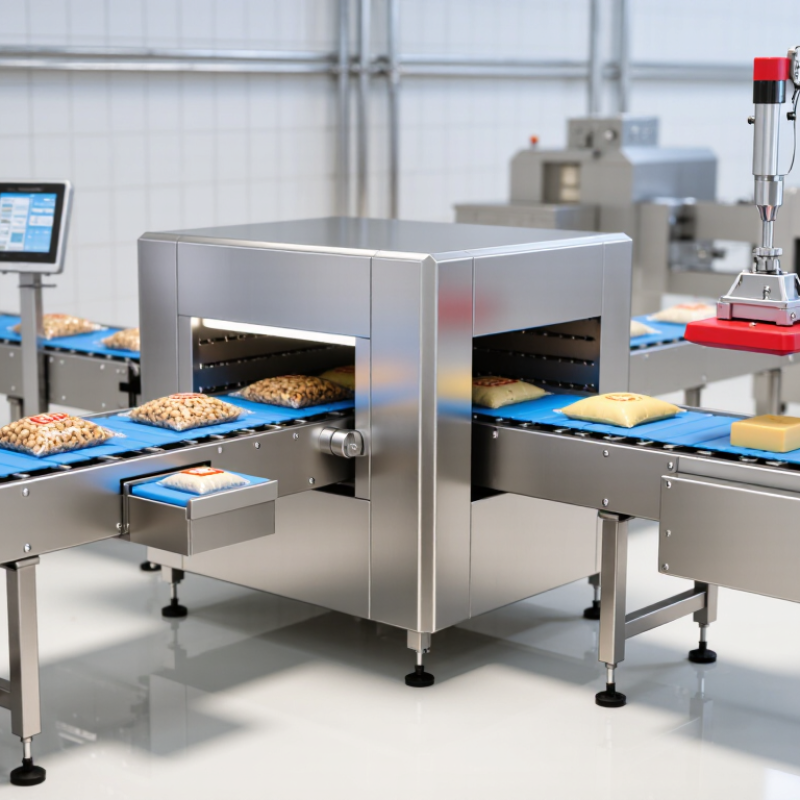
Identify the Food Products and Metal Contamination Risks
A food-grade metal detector should be selected around the product, not just the line speed. Fresh meat, cheese, sauces, and wet vegetables can create strong product signals because of moisture or salt. Dry grains and powders behave differently. Note whether the food is warm, chilled, loose, or sealed, and whether it travels in trays, bags, or cartons. These details affect reliable detection. A small sample test helps.
Metal risks should be mapped to equipment and handling steps. Worn blades may shed stainless-steel fragments; screens, mixers, and conveyors can introduce other metal pieces. Consider likely metal types, fragment size, and where contamination could enter. Ferrous, non-ferrous, and stainless steel do not respond equally in every product. Test representative samples under actual production conditions, including the final package when practical. Records are sometimes incomplete. That matters.
Tips: Keep a simple product-and-risk list for each line. Test at start-up and after product or packaging changes. Include challenging items, such as salty cheese in foil-laminated packs, and confirm reject timing and containment. Revisit assumptions after maintenance or recurring false rejects. A perfect test plan is unlikely; a clear, reviewed one is useful.
| Food Product or Process | Typical Metal Contamination Risks | Product Characteristics That Affect Inspection | Detector Selection Considerations | Practical Validation Checks |
|---|---|---|---|---|
| Dry powders, such as flour, spices, and powdered drink mixes | Ferrous fragments from equipment; non-ferrous particles such as aluminum or copper; stainless-steel wear fragments | Usually low in moisture and conductivity, though particle size, density, packaging, and product flow can affect inspection | Consider an in-line system designed for the powder-handling process, such as a gravity-feed detector. Confirm that the aperture and reject mechanism suit the material flow and line rate. | Test ferrous, non-ferrous, and stainless-steel reference pieces at the actual operating speed and through the normal product stream. |
| Bakery products, including bread, biscuits, and cakes | Metal fragments from mixers, cutters, conveyors, ovens, and maintenance work | Moisture, salt, temperature, and product size can influence the signal. Hot products may require inspection after cooling or a system suitable for the operating conditions. | Match the detector opening to the product and conveyor. Check performance on the actual recipe, including the warmest or most challenging product condition. | Verify detection and rejection with the product on the belt; confirm rejected product is removed and the reject mechanism is monitored. |
| Fresh meat and poultry | Ferrous and stainless-steel fragments from blades, grinders, saws, and processing equipment | High moisture and variable temperature can create product effect in conventional metal detection. Irregular shape and dense loading may also affect inspection. | Evaluate detector performance with the actual product and temperature range. Where product effect limits reliable performance, compare suitable multi-frequency metal detection with X-ray inspection. | Challenge the system in representative product positions and orientations, using documented test pieces and the normal production setup. |
| Cheese and other dairy products | Metal wear particles from cutting, pumping, mixing, and packaging equipment | Moisture, salt, fat content, temperature, and product format vary widely; some products can produce a strong product signal. | Assess the specific cheese type and format rather than assuming one setting works for all products. Consider inspection before metalized or foil packaging when feasible. | Validate each relevant recipe and package format, including the product conditions that produce the greatest signal variation. |
| Wet or salty foods, such as soups, sauces, pickles, and brined vegetables | Metal fragments from pumps, valves, cutters, fillers, and processing lines | High moisture and dissolved salt increase electrical conductivity and may cause product effect, which can reduce conventional detector sensitivity. | Test the product on the intended system. Consider a detector with suitable product-effect compensation, inspection before filling, or X-ray as an alternative where appropriate. | Test the highest-conductivity recipe and normal production temperature; confirm that the chosen settings do not cause excessive false rejects. |
| Frozen foods and ice-cream products | Metal fragments from cutting, forming, conveying, and freezing equipment | Temperature, frost, product shape, and changing conditions during thawing can affect inspection performance. | Specify the product temperature and packaging conditions for inspection. Ensure the detector and conveyor are suitable for cold, wet, or washdown environments as required. | Validate at the actual inspection temperature and line speed, and repeat checks after relevant changes to product or operating conditions. |
| Packaged snacks, such as chips, crackers, and nuts | Metal fragments from slicers, fryers, conveyors, and packaging equipment | Dry products are often suitable for metal detection, but metallized film or foil packaging can interfere with conventional inspection. | Where possible, inspect before applying metallized packaging. For finished packs, assess a system designed for the packaging type; X-ray may be an option depending on product and contaminant characteristics. | Test complete packs in the correct orientation and position. Confirm that packaging materials and pack variation are included in validation. |
| Canned foods or products in aluminum trays | Metal fragments from processing equipment, as well as possible packaging-related defects | Metal packaging can prevent conventional metal detectors from inspecting the product through the pack. | Consider inspection before packaging or a suitable X-ray system for the completed pack. X-ray performance depends on the contaminant, product, package, and inspection geometry. | Validate with the actual filled package and representative test pieces; confirm sensitivity across the full product path and package orientation. |
| Foods in glass jars or rigid containers | Metal fragments from processing or filling equipment; glass is a separate physical contamination hazard | Container shape, fill level, product density, and the location of a contaminant can affect inspection results. | Choose a system that can inspect the filled container reliably. X-ray may detect some dense contaminants, but glass detection and metal detection performance must be evaluated separately. | Test representative containers at the normal line speed, including different fill levels and likely contaminant locations. |
| Products made or handled near metalized film or foil | Metal fragments from processing equipment; metal packaging may also create a detector signal | Conductive or metalized packaging can interfere with conventional metal detection of the finished product. | Consider inspecting before packaging, or assess a suitable post-packaging technology such as X-ray. Confirm compatibility with the specific film, foil, product, and pack size. | Run trials using actual packaging materials and the intended production speed; document validated test conditions and results. |
Selection note: No single detector configuration is best for every food. Choose equipment based on the actual product, package, process, required throughput, and documented performance trials. Validate ferrous, non-ferrous, and stainless-steel detection where applicable; set acceptance limits and routine checks through the facility’s food-safety and hazard-analysis program.
FAQS
Record moisture, salt, temperature, and whether food is loose, sealed, warm, or chilled. Cold, salty cheese may behave differently from dry grains.
Product signals can change with moisture, temperature, packaging, and line conditions. Test representative samples during normal production. A quiet trial can mislead.
Dry grains, flour, and snack pieces often create little product signal. A smaller aperture may improve sensitivity, but the product flow must fit safely.
Multi-frequency systems may help separate product signals from metal. Test cold and salty batches, too. It is not a cure-all.
Foil or metalized film can mask a detector’s response. When practical, inspect food before packaging, then test the actual pack dimensions.
Check worn blades, screens, mixers, and conveyors. Consider ferrous, non-ferrous, and stainless-steel fragments; they may respond differently.
Look for accessible, smooth surfaces, sealed joints, and sloped areas that drain. Inspect seams and supports where moisture or food debris might collect.
Observe a real washdown, then inspect hard-to-reach areas. Keep test records, confirm reject timing, and repeat checks after product or packaging changes. The plan may be imperfect, but review helps.
Conclusion
Choosing the right Food Grade Metal Detectors begins with understanding the products being inspected and the types of metal contamination that may occur. Different foods, packaging materials, moisture levels, and product temperatures can affect detection performance, so compare available technologies against the specific needs of each product. Consider the required sensitivity, the size of the inspection aperture, and the speed of the production line to find a practical balance between reliable detection and efficient operation.
A suitable detector should also feature a hygienic design that supports routine cleaning and meets applicable food safety requirements. Before making a decision, assess how the equipment will be tested and integrated into the existing line, including its compatibility with conveyors and inspection procedures. Finally, compare operating and maintenance costs over time, not just the initial purchase price. A careful evaluation of these factors can help select a system that supports consistent quality control and dependable production.