
Navigating the Operational Complexities of Sanitation Products Filling Equipment
The global demand for high-grade sanitation products—ranging from alcohol-based hand sanitizing gels and quaternary ammonium disinfectants to concentrated industrial bleaches and surface sterilizers—has reshaped liquid packaging requirements worldwide. Procurement directors, contract packagers (CMOs), and plant engineers face a complex set of engineering challenges when sourcing Sanitation Products Filling Equipment. Unlike standard liquid beverage or cosmetic bottling lines, chemical sanitation lines demand specialized fluid handling dynamics, strict flammability compliance, extreme corrosion resistance, and rapid changeover capabilities.
When engineering or procuring a liquid filling line for sanitation fluids, product chemistry dictates machine architecture. Viscosity profiles vary drastically: isopropyl alcohol (IPA) solutions possess near-water viscosity (~1-5 cPs) but exhibit high volatility and low flashpoints, whereas viscous aloe-infused hand sanitizer gels can exceed 15,000 cPs, exhibiting non-Newtonian shear-thinning behavior. Furthermore, harsh oxidizing agents such as sodium hypochlorite (bleach) or peracetic acid (PAA) rapidly degrade standard 304 or 316 stainless steel components, requiring non-metallic liquid paths constructed from high-density polyethylene (HDPE), polypropylene (PP), or titanium alloy components.
Information Gain: Why Fluid Rheology & Flammability Drive Equipment Selection
Standard liquid filling machines often fail prematurely when exposed to modern sanitizing compounds. Selecting the ideal sanitation product filling machine requires evaluating three physical parameters: Flash Point / Explosion Risk (demanding Class 1, Division 1/2 HAZLOC electrical configurations), Chemical Compatibility (preventing seal degradation and pump seizure via PTFE, Viton, or Kalrez elastomers), and Foaming Dynamics (requiring bottom-up subsurface filling nozzle movement to eliminate splashing and aeration).
Sanitation Products Filling Equipment Recommendation Matrix
Selecting the right machinery configuration is critical to achieving high throughput, dosing accuracy, and operational safety. Frain Industries maintains an extensive rental fleet of factory-tested, plug and play sanitation filling machinery from leading OEMs (such as Cozzoli, National Instrument/Filamatic, Inline Filling Systems, Pacific Packaging, and U.S. Bottlers). Below is a comprehensive engineering breakdown of recommended filling machinery types based on sanitation product characteristics.
1. Hazardous Location (Class 1 Div 1) Explosion-Proof Liquid Fillers
Best For: High-concentration Ethyl Alcohol, Isopropyl Alcohol (IPA) hand sanitizers (60%–95% alcohol content), and flammable surface disinfectants.
Technical Architecture: Built with intrinsically safe pneumatic controls, explosion-proof motors (Class 1, Division 1, Group D rated), purge-pressurized enclosures, and static-grounding conveyor belts. Eliminates any electrical ignition source near vapor zones.
Dosing Technology: Volumetric Piston or Pneumatic Flow Meter filling.
2. Corrosive-Resistant Polypropylene & HDPE Fillers
Best For: Sodium Hypochlorite (household bleach), acid sanitizers, Hydrogen Peroxide, and Quaternary Ammonium (Quat) solutions.
Technical Architecture: Features a non-metallic structural frame and liquid contact path. Frame constructed from welded Polypropylene or HDPE, with Hastelloy or titanium fluid manifolds, non-metallic valves, and plastic-coated conveyor tracks to withstand harsh fumes.
Dosing Technology: Timed-Gravity or Peristaltic Pumping systems.
3. Heavy-Duty Rotary Piston & Servo Fillers
Best For: High-viscosity sanitizing gels, heavy-duty industrial degreasers, and viscous commercial soap formulas (5,000 to 25,000 cPs).
Technical Architecture: Servo-driven positive displacement piston pumps with positive-cut-off nozzles. Subsurface bottom-up filling prevents air entrapment, cavitation, and trailing drips, guaranteeing precise volumetric fill accuracy within ±0.5%.
Dosing Technology: Servo-actuated Rotary Piston / Positive Displacement.
4. Subsurface Overflow Liquid Fillers for Clear Containers
Best For: Water-thin liquid sanitizers, window/surface cleaners, and clear trigger-spray bottle packaging.
Technical Architecture: Fills containers to a consistent visual fill height regardless of microscopic container volume variations. Equipped with diving nozzle bridge, anti-foam return lines, and heavy-duty drip trays to reclaim excess liquid cleanable in closed-loop systems.
Dosing Technology: Subsurface Mechanical / Pneumatic Pressure Overflow.
| Equipment Type | Target Product Viscosity | Dosing Precision | Chemical / Fire Safety Rating | Typical Speed Range (BPM) |
|---|---|---|---|---|
| Explosion-Proof Piston Filler | 1,000 – 20,000 cPs (Gels) | ±0.25% - ±0.5% | Class 1, Div 1 / ATEX Zone 1 | 30 – 150 BPM |
| Corrosive Polypropylene Gravity Filler | 1 – 100 cPs (Water-thin) | ±0.5% - ±1.0% | Acid/Oxidizer Resistant (Non-metal) | 20 – 120 BPM |
| Servo Net-Weight / Gravimetric Filler | 1 – 50,000 cPs (All types) | ±0.1% (Highest) | Standard or HAZLOC optional | 40 – 300 BPM |
| Subsurface Pressure Overflow Filler | 1 – 500 cPs (Low viscosity) | Visual Level Target | Viton / PTFE Seal Compliant | 30 – 200 BPM |
Technology & Engineering Trends in Sanitation Filling Machinery (2025–2030)
The manufacturing landscape for chemical sanitation packaging is undergoing rapid technological transformation. Driven by stringent environmental regulations, safety standards, and market demand for flexible production lines, OEM machine designers are embedding advanced automation into modern sanitation product filling equipment. Key industry trends include:
1. Servo-Driven Multi-Axis Motion Control & Dynamic Recipe Management
Legacy mechanical cam-driven filling lines are rapidly being replaced by multi-axis servo systems. Servo-controlled dosing pistons and nozzle diving movements allow operators to change filling profiles—such as acceleration ramps, bottom-up speeds, and suck-back anti-drip timing—instantly via Human-Machine Interface (HMI) touchscreens. Contract packagers running multiple container sizes (from 2 oz travel bottles to 1-gallon jugs) can execute complete product changeovers in under 15 minutes without manual mechanical adjustments.
2. Integrated CIP/SIP (Clean-In-Place) & Closed-Loop Chemical Washdowns
To comply with cross-contamination guidelines (especially when switching between industrial disinfectant formulations and skin-safe alcohol hand rubs), automated sanitation filling machinery now incorporates sanitary tri-clamp fittings, zero-dead-leg valves, and automated Clean-In-Place (CIP) skid integration. Closed-loop washdown circuits ensure toxic or corrosive residues are flushed safely into neutralizer holding tanks without exposing floor operators to harmful chemical fumes.
3. Smart Mass Flow Metering (Coriolis & Magnetic)
Coriolis mass flow meter fillers are gaining immense traction in high-speed chemical bottling plant operations. Because mass flow meters measure fluid mass directly rather than volume, they are immune to density fluctuations caused by ambient temperature changes or aeration in viscous sanitizers. This technology eliminates mechanical pistons, check valves, and O-rings, drastically reducing physical wear points and maintenance costs.
Future Procurement Trends for Global Chemical & Sanitation Buyers
Global procurement strategies for packaging and processing machinery have shifted dramatically. Supply chain volatility, rapid shifts in consumer demand, and inflation have changed how multinational enterprise buyers evaluate capital expenditure (CapEx) versus operational expenditure (OpEx).
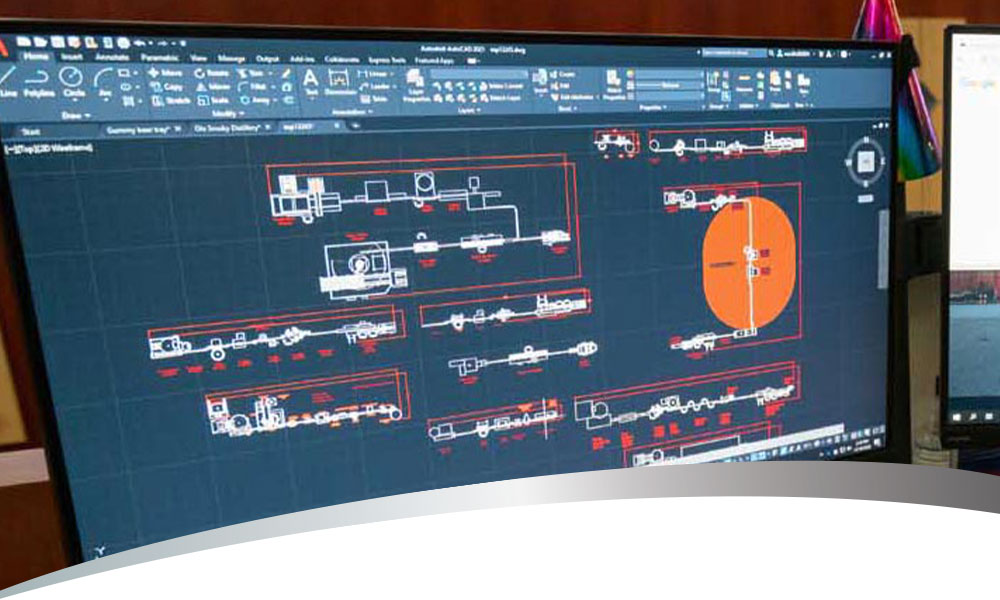
Agile OpEx vs. Heavy CapEx
Purchasing new custom OEM machinery often requires 26 to 52 weeks of lead time and heavy upfront capital lock-in. By leveraging Frain’s modular rental programs, procurement executives transform heavy capital expenses into predictable operational expenses, matching machinery costs directly to contract revenue.
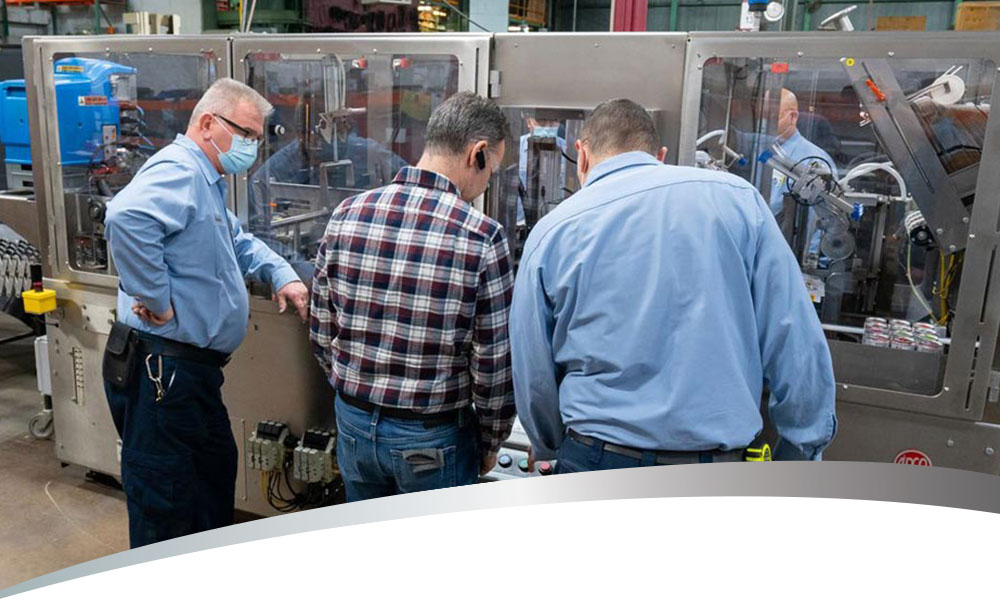
De-Risking Line Launches with FAT
Unplanned downtime during line startup can ruin profitability. Frain eliminates startup risk by conducting rigorous, full-speed Factory Acceptance Tests (FAT) using your exact containers, caps, and chemical formulations at our Carol Stream facility prior to shipment.
Pay-As-You-Go Capacity Scaling
Seasonal surges in disinfectant demand or sudden institutional tenders require immediate capacity expansion. Pay-As-You-Go financing allows manufacturers to acquire complete plug-and-play bottling lines in days, scaling down when contracts expire.
The Frain Advantage: Plug & Play Equipment in 48 Hours
For over 40 years, Frain Industries has served as the world's premier single-source provider of plug and play packaging and processing machinery rentals. When market demand spikes or an emergency machinery failure threatens your plant production schedule, waiting months for OEM manufacturing is not an option. Frain bridges the critical lead-time gap with an unrivaled infrastructure designed for speed, flexibility, and engineering precision.
Our impressive inventory features over 5,000 ready-to-ship machines housed in our state-of-the-art facility in Carol Stream, Illinois. Whether you require a standalone semi-automatic explosion-proof benchtop sanitizer filler, a fully automatic inline corrosive liquid filling system, or a complete turn-key packaging line (including bottle unscramblers, liquid fillers, chuck cappers, induction sealers, and shrink sleevers), Frain delivers tailored solutions engineered specifically for your chemical product requirements.
Why Enterprise Packagers Trust Frain
- Unmatched Speed-to-Market: Equipment selected, engineered, customized, and shipped in as little as 48 hours to preserve your production schedules.
- In-House Engineering Expertise: Our veteran mechanical and electrical engineering team customizes change tooling, installs PLC programming updates, and integrates line components seamlessly.
- Virtual & On-Site Factory Acceptance Testing (FAT): Never receive a machine that isn't production-ready. We run your containers and product live on our floor before dispatch.
- Comprehensive Field Service & Technical Support: On-site technician deployment, operator training, and 24/7 technical hotline access to ensure maximum uptime.
- Flexible Financial Structure: Rent, lease, or purchase options paired with Pay-As-You-Go models to safeguard working capital.
Frequently Asked Questions (FAQ) — Sanitation Products Filling Equipment
Addressing common technical inquiries asked by global procurement teams, packaging engineers, and plant managers when evaluating sanitation product packaging machinery.
Q1: What is the main difference between piston fillers and overflow fillers for hand sanitizers?
A: Piston fillers measure fluid by volume, making them ideal for high-viscosity gels (5,000–25,000+ cPs) and delivering precise volumetric accuracy (±0.25%). Overflow fillers fill bottles to a consistent cosmetic level, which is preferred for clear, transparent bottles containing water-thin liquid sanitizers. Piston fillers excel at handling thick fluids, while overflow fillers deliver uniform visual alignment on store shelves for thin liquids.
Q2: Why are Class 1 Division 1 (HAZLOC) ratings necessary for alcohol disinfectant fillers?
A: Formulations containing over 60% ethyl alcohol or isopropyl alcohol release volatile flammable vapors during filling. Under NFPA and NEC standards, areas where flammable gases or vapors exist under normal operating conditions are designated Class 1, Division 1. HAZLOC equipment features explosion-proof motors, intrinsically safe wiring, sealed junction boxes, and pneumatic controls to eliminate electrical sparks that could ignite chemical fumes.
Q3: How do non-metallic liquid filling machines resist severe corrosion from industrial bleach (sodium hypochlorite)?
A: Industrial bleach corrodes even high-grade 316L stainless steel, leading to rusted nozzles, seized pump shafts, and product contamination. Non-metallic liquid fillers utilize structural components, liquid pathways, and nozzles machined from solid Polypropylene, HDPE, or Kynar (PVDF), coupled with Hastelloy-C springs and Viton/PTFE gaskets. This completely eliminates metal contact with corrosive vapors and liquids.
Q4: How does Frain handle change tooling and integration for non-standard container shapes?
A: Frain operates an in-house machine shop and tooling engineering team. When you rent or purchase sanitation filling equipment from us, we design, CNC-machine, and test custom starwheels, feed screws, bottle guides, and diving nozzle tips tailored specifically to your bottle geometries—including trigger spray containers, pump bottles, or ergonomic gallon jugs.
Q5: Can I upgrade or scale my rented sanitation filling line if production volumes double?
A: Yes. Frain’s modular machinery rental model is built for operational scalability. If your product demand spikes, you can swap a 4-nozzle inline filler for an 8-nozzle or 12-nozzle high-speed system, or add integrated capping, labeling, and case packing machinery from our 5,000+ machine inventory with zero long-term capital loss.
Accelerate Your Sanitation Bottling Line Today
Don't let long OEM lead times stall your product launches or emergency production expansions. Partner with Frain Industries to get certified, factory-tested sanitation products filling equipment on your plant floor in days.