
Industry Knowledge & Insights

Frain Machinery Blog

Latest Articles, Buying Guides, and Rental Strategies for Packaging & Processing

0%

Pet Food Packaging Machinery refers to the equipment that measures, fills, seals, and labels packages for animal food. It can handle dry kibble, treats, or wet food, though each product needs suitable equipment. A dry-food line may use a scale or volumetric filler, while wet-food systems often need pumps and filling nozzles. The choice depends on product texture, package type, production speed, and the level of accuracy required.

A typical process begins with product feeding. Kibble moves through a hopper and into a weighing system, then drops into a bag or pouch. The package is formed or opened, filled, and sealed with heat or another compatible method. Sensors can check package position and signal when a seal or fill step needs attention. Some lines also print batch information and apply labels. Small details matter. Dust near a sealing area, for example, can affect package cleanliness or seal quality.

The equipment does not work in isolation. Operators monitor settings, inspect seals, clean contact surfaces, and respond to changes in product flow. Regular maintenance helps keep performance consistent, but results still depend on training and the packaging materials used. A machine may look efficient on paper and still struggle with dusty kibble or inconsistent pouch film. That is worth considering before selecting a line. Understanding how Pet Food Packaging Machinery works helps manufacturers compare options, plan production, and identify practical limits before installation.
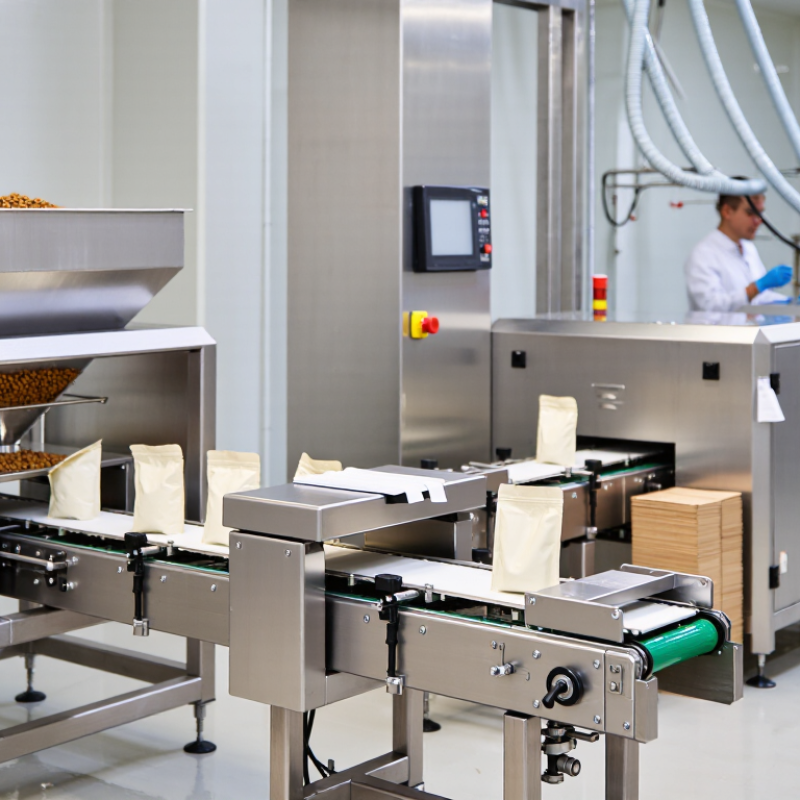
What Is Pet Food Packaging Machinery and How Does It Work?

What Pet Food Packaging Machinery Is and What It Handles

Pet food packaging machinery is a group of connected machines that prepares containers, portions food, and closes packs for storage and sale. It handles dry kibble, soft treats, and wet food, though each product needs different equipment. Kibble flows through hoppers and weighing systems; wet food may need pumps or filling nozzles designed for thicker mixtures.

A typical line forms or feeds bags, pouches, cans, or trays, then measures each portion and fills the package. Sensors can check fill levels, while sealing units apply heat or pressure to close flexible packs. Cans and trays may use different closure methods. Some lines also print date codes, inspect seals, or reject packs that fall outside set limits. Small details matter. A dusty sealing area, for example, can affect a pouch’s closure.

The machinery handles more than filling. It moves packages between stations, helps limit product exposure, and keeps output consistent across repeated runs. Operators still need to check settings, clean product-contact parts, and watch for changes in weight or seal quality. Different kibble sizes may flow at different speeds, and sticky foods can leave residue. No setup is perfect; practical adjustments are often needed when products or packaging materials change.

The Main Machines and Components in a Packaging Line

A pet food packaging line combines machines that prepare, measure, fill, seal, and inspect each pack. The exact layout depends on whether the product is dry kibble, wet food, or treats. Dry kibble often travels from a hopper through an elevator to a multihead weigher. The weigher portions the product by weight, then releases it into a bag or pouch. A packaging machine forms the pack, or opens a premade pouch, before filling.

Small details matter. A bag clamp must hold the opening steady, while the dosing chute guides kibble with minimal spillage. For wet food, pumps or piston fillers handle thicker mixtures, and nozzles need cleaning between runs. Sealing jaws apply heat and pressure to close the package. Poor alignment can leave crumbs across the seal. It happens.

A checkweigher can flag packs outside the set weight range, and a metal detector may inspect product after filling. Conveyors connect these stations, while sensors track pack position and machine status. Operators still need to check seals, weights, and product flow during production; sensors do not catch every issue. Line settings also need adjustment when pack sizes or food textures change. A setup that works well for dry kibble may struggle with sticky treats, so testing is essential.

What Is Pet Food Packaging Machinery and How Does It Work? - The Main Machines and Components in a Packaging Line
Line Stage Main Machine Key Components What It Does Typical Packaging Applications
1 Product Feeding and Elevation Hopper, conveyor or bucket elevator, level sensor, discharge gate Moves kibble, treats, or other prepared pet food from the production area to the weighing and filling equipment. Level controls help maintain a steady product supply. Dry kibble and dry treats; equipment and conveyor type are selected to suit the product’s shape and handling needs.
2 Weighing and Dosing Multihead weigher or linear weigher, feed hoppers, load cells, timing controls Measures a target quantity of product before it enters a package. Multihead weighers combine portions from several weighing buckets to achieve the set fill weight. Commonly used for kibble, biscuits, and other free-flowing solid products.
3 Bag Forming and Filling Film roll, forming collar, pull belts, dosing chute, sealing jaws A vertical form-fill-seal machine forms a bag from a roll of flexible film, receives the measured product, and seals the filled package. Pillow, gusseted, or other flexible bags, depending on the machine setup and packaging material.
4 Premade Pouch Filling Pouch magazine, pouch grippers, opening station, filling nozzle or chute, heat sealer Opens a pre-made pouch, fills it with a measured amount, and seals it. Some systems can also apply a zipper or perform additional pouch-opening and seal checks. Stand-up pouches and other pre-made flexible packs for dry food, treats, or compatible wet products.
5 Can or Tray Filling and Seaming Container infeed, product filler, lid or end feeder, seaming station Deposits a controlled amount of product into a rigid container. For cans, a seamer mechanically joins the can body and end to form a closed seam. Canned wet pet food and compatible rigid-container products. Container handling and closing equipment depend on the package design.
6 Seal Inspection and Coding Seal or closure inspection system, date coder, printer, vision sensor Checks selected package or closure characteristics and applies production information such as a lot code or date code. Inspection functions vary by line design. Flexible bags, pouches, cans, and trays, with checks configured for the relevant pack type.
7 Contaminant Detection and Weight Checking Metal detector or X-ray inspection system, checkweigher, reject device Checks packages for specified foreign materials or verifies package weight. Packages that fail configured limits can be diverted from the production flow. Installed where required by the product, packaging, and quality-control plan; inspection capability depends on the system and package.
8 Case Packing and Palletizing Case erector, case packer, case sealer, conveyor, palletizer Groups finished packs into shipping cases, closes the cases, and may stack them onto pallets for storage or transport. Secondary and end-of-line packaging for bags, pouches, cans, and trays.
9 Line Controls and Safety Systems Programmable logic controller, human-machine interface, sensors, guards, emergency stops Coordinates machine timing, operating settings, and signals between line sections. Guards and emergency-stop devices support safe operation. Used throughout the packaging line; control functions and safety arrangements depend on the equipment layout.

How Pet Food Moves Through the Packaging Process

How Pet Food Moves Through the Packaging Process

After cooking and cooling, pet food travels by conveyor to a packaging line. Dry kibble usually passes through a scale that portions each bag’s fill. Wet food follows a different route: cans or pouches are filled and sealed, often while the food is still hot. The package then moves through checks for weight, seal quality, and legible date codes. A reject gate removes units that miss set limits. Small details matter. A crooked pouch can jam a conveyor; a weak seal can compromise product freshness.

FEDIAF’s 2024 European Facts & Figures report counts 299 million pets and 139 million pet-owning households across Europe. That scale helps explain why packaging lines rely on repeatable dosing and inspection, though line speeds and package formats vary widely. After inspection, accepted packs are grouped into cases, labeled, and moved to storage or shipping. Sensors and operators both matter. Automation can flag irregular fills, but setup errors or changing product textures may still cause problems. Not glamorous.

Tips: Match the filler to the food and package. Kibble can create dust around weighers, so routine cleaning helps maintain accurate fills. For wet food, inspect seals and watch for drips near the closing station. Test a few packages after adjustments; a machine display alone cannot confirm every seal.

How Pet Food Moves Through Packaging

Illustrative package counts for one metric tonne (1,000 kg) of pet food

After production and cooling, pet food is conveyed to a weighing system, portioned into bags, sealed, and sent for inspection and case packing. The chart shows the package count calculated for different net bag weights: for example, 1,000 kg fills 1,000 bags at 1 kg each. Counts assume exact weights and no product loss.

How Packaging Machines Seal, Label, and Code Products

Pet food packaging machinery does more than fill bags. It closes each pack, adds product information, and helps keep production consistent. After filling, a sealing unit presses heated jaws against the packaging film. Correct temperature, pressure, and contact time depend on the material. A few crumbs trapped in the seal can create a weak spot. Small details matter.

Labels may be applied to pouches, cans, or cartons, depending on the line. Sensors help detect each passing package and position the label in the right place. Some systems print product details directly onto the pack instead. Inkjet and thermal-transfer printers can add batch codes or date information, while a camera may check whether the print is clear and correctly placed. The code must remain readable after handling.

Timing is important. A package needs to be stable before labeling, and the code must match the product moving through the line. Operators often test samples at start-up and after material changes. It is not foolproof. Dust, wrinkled film, or a shifted sensor can still cause rejects, so routine checks matter as much as automation. A neat-looking pack does not always mean the seal is sound.

Controls and Safety Features Used During Operation

During operation, pet food packaging machinery relies on sensors, programmable controls, and guarded moving parts. A photoelectric sensor can detect a pouch out of position and stop the filling cycle before product spills. Interlocked doors prevent access to sealing jaws or conveyors while they are moving. Emergency-stop buttons should remain easy to reach, visible, and tested during routine checks.

Controls need clear limits. Operators should know which alarms require a full stop and which allow a supervised reset. In practice, rushed resets can weaken safeguards. That deserves attention. The U.S. Bureau of Labor Statistics reported a 2023 manufacturing recordable-injury rate of 2.8 cases per 100 full-time workers in its Survey of Occupational Injuries and Illnesses. This broad sector figure is not specific to packaging machines, but it reinforces the value of guarding, training, and consistent procedures.

Before clearing a jam or cleaning around a machine, workers should isolate energy sources and follow the site’s lockout/tagout procedure. Check that guards are secure, sensors are unobstructed, and stop circuits respond as intended. Dry pet food dust can collect near equipment, so inspection should include ledges, sensor lenses, and floor areas. Small details matter. A checklist helps, though it cannot replace a careful handover between shifts.

FAQS

What machines are used in a pet food packaging line?

Conveyors move the food between hoppers, elevators, weighers, fillers, sealers, and inspection stations. The exact setup depends on the food and package.

How is dry kibble portioned into bags?

Kibble travels from a hopper, often by elevator, to a multihead weigher. The weigher measures each portion and releases it into a bag or pouch.

How does packaging differ for wet food?

Pumps or piston fillers handle thicker mixtures. They fill cans or pouches, which are often sealed while the food is hot. Nozzles need cleaning between runs.

How do machines check package weight and quality?

A checkweigher flags packs outside the set weight range. Metal detectors may inspect filled products, while reject gates remove packs that miss set limits.

What can cause a weak package seal?

Crumbs, poor alignment, or incorrect heat and pressure can weaken a seal. It happens. Operators should inspect samples, not just machine displays.

How are labels and date codes applied?

Sensors help position labels on pouches, cans, or cartons. Printers add batch or date information, and cameras may check that codes are clear.

Can sensors catch every packaging problem?

No. Sensors can flag irregular fills or misplaced packs, but operators still need to check seals, weights, and product flow. Not foolproof.

Why must line settings change between products?

Pack sizes and food textures affect filling and handling. Sticky treats may behave differently from dry kibble, so teams should test packages after adjustments.

Conclusion

Pet Food Packaging Machinery refers to the equipment that prepares pet food for safe, consistent, and efficient packaging. A packaging line may include product feeders, weighing systems, bag or container forming equipment, filling stations, sealers, conveyors, and inspection devices. Together, these components help handle different product forms and package sizes while keeping products moving smoothly through each stage.

During operation, pet food is conveyed to a filling station, measured into packages, and then sealed to help protect freshness and prevent spills. Labeling and coding equipment can add product information and traceability details to each package. Sensors and control systems coordinate the machines, monitor performance, and alert operators to issues such as jams or incorrect fills. Guards, emergency stops, and other safety features help protect workers and support reliable operation. The exact setup depends on the product, packaging material, production speed, and required level of automation.

Lily

Lily

Lily is a dedicated marketing professional with a profound expertise in her field, bringing a wealth of knowledge and experience to our company's core operations. With a keen understanding of our product offerings, she excels in crafting compelling and insightful content that resonates with our......