
Pharmaceutical Capping Machinery: Global Procurement & Technical Architecture Guide
Mastering Container Closure Integrity (CCI), servo torque accuracy, cleanroom particle control, and rapid operational deployment for liquid oral, parenteral, and solid-dose pharmaceutical packaging lines.
1. The Mechanical & Regulatory Standard for Pharmaceutical Capping Machinery
In global pharmaceutical manufacturing, the capping process is far more than a simple mechanical closure operation—it is the definitive safeguard of Container Closure Integrity (CCI). Whether packaging liquid parenterals in glass vials, solid dosages in HDPE bottles, or sterile ophthalmic drops, modern Pharmaceutical Capping Machinery must maintain strict compliance with FDA 21 CFR Part 211, cGMP, and EU GMP Annex 1 mandates while ensuring zero physical or microbial compromise to the product life cycle.
Unlike commercial beverage or personal care packaging, pharmaceutical capping demands absolute repeatability in rotational torque, zero micro-particulate shed within cleanroom environments, and complete electronic data tracing. A failure in capping mechanics leads directly to container leakage, oxidation, loss of sterility, or altered drug potency—exposing pharmaceutical manufacturers to catastrophic batch recalls and regulatory warning letters.
Information Gain Note: USP <1207> Container Closure Integrity (CCI) Compliance
Modern pharmaceutical validation protocols under USP <1207> have shifted the industry away from probabilistic leak testing (e.g., dye ingress) toward deterministic methods such as High-Voltage Leak Detection (HVLD) and Vacuum Decay. Consequently, capping equipment must achieve a baseline application torque precision of ±0.5 N-cm to ensure deterministic seal integrity across 100% of production runs without relying on destructive batch sampling.
Critical structural parameters of pharmaceutical-grade capping machinery include:
- 316L Stainless Steel Construction: All product contact surfaces and framing within aseptic zones utilize electro-polished 316L stainless steel (Ra < 0.4 µm) to withstand aggressive vaporized hydrogen peroxide (VHP) decontamination cycles.
- Closed-Loop Servo Control: Replacing traditional magnetic or friction clutches, continuous servo motors independently drive each capping head, allowing real-time torque profiles to be recorded and evaluated against upper and lower critical limits.
- Particulate Management Systems: High-efficiency localized vacuum shrouds and laminar flow hoods trap cap-wear debris before it can settle inside open container necks, meeting ISO Class 5 cleanroom standards.
- 21 CFR Part 11 Electronic Records: Integrated PLC architectures log every tightening event, parameter change, audit trail, and user authentication timestamp for seamless batch record integration.
2. High-Performance Pharmaceutical Capping Machinery Recommendations
Selecting the optimal capping architecture depends on container geometry, closure physics, speed requirements (BPM), and cleanroom classification. Below is an engineering overview of the primary capping categories available within the Frain plug-and-play rental inventory.
Rotary Servo Cappers
Designed for medium-to-high-speed bottle lines (120 to 450+ BPM). Features multi-head rotary turrets equipped with dedicated brushless servo motors per spindle for dynamic torque application and immediate defect rejection.
- Application: Child-Resistant (CRC), CT, and Tamper-Evident Screw Caps
- Torque Precision: ±0.5 N-cm continuous monitoring
- Cleanroom Grade: ISO Class 7 / Class 8 compatibility
Vial Crimpers & Oversealers
Engineered for liquid parenteral and freeze-dried (lyophilized) biological products in glass vials. Utilizes non-particle generating crimping rollers to secure aluminum flip-off seals over rubber stoppers at speeds up to 300 VPM.
- Application: ISO 8362 injection vials, 13mm/20mm/32mm seals
- Validation: EU GMP Annex 1 compliant particulate containment
- Drive System: Servo-guided vertical stroke with force sensors
Inline Spindle & Chuck Cappers
Ideal for contract packaging environments (CMOs/CDMOs) requiring rapid format changeovers. Features tool-less adjustments, variable belt speeds, and adaptable cap sorters to handle diverse container profiles.
- Application: Syrup bottles, solid dose bottles, nasal sprays
- Speed Capability: Up to 150 BPM
- Changeover Time: Less than 15 minutes without change parts
Technical Specification Comparison Matrix
| Capper Type | Speed (BPM) | Torque Control Method | Cleanroom Rating | Typical Applications |
|---|---|---|---|---|
| Rotary Continuous Servo | 150 – 500+ | Closed-Loop Servo / Magnetic Encoder | ISO Class 7 / Grade C | Solid Oral Dose (HDPE), Oral Liquids |
| Vial Aluminum Crimper | 60 – 350 | Strain Gauge Force Sensor | ISO Class 5 / Grade A (RABS/Isolator) | Injectables, Vaccines, Lyophilized Vials |
| Inline Multi-Spindle | 40 – 160 | Pneumatic / Mechanical Friction Clutch | ISO Class 8 / Grade D | OTC Liquid Suspensions, Diagnostics |
| Monoblock Fill-Cap System | 30 – 120 | Direct Servo Drive (Direct-Drive Motor) | ISO Class 5 / Grade A (Integrated) | Ophthalmic Drops, Small-Volume Parenterals |
3. Frain Industries: De-Risking Pharmaceutical Machinery Procurement
In traditional OEM procurement models, acquiring cGMP-compliant capping equipment involves capital expenditure lock-in, protracted validation cycles, and lead times extending from 26 to 52 weeks. Frain Industries disrupts this paradigm through our plug-and-play machine rental ecosystem, offering immediate operational agility backed by unmatched technical expertise.
The Proven Frain Process
Our consultative engineering process guarantees that every pharmaceutical capping machine is custom-configured, rebuilt, and factory-tested specifically for your container, cap, and liquid profile before it ships. We bridge the gap between emergency capacity demands and long-term production readiness.
Key highlights of the Frain ecosystem include:
- 48-Hour Rapid Dispatch: Over 5,000 active machines ready for immediate deployment.
- 40+ Years Engineering Legacy: Specialized in-house technicians trained in mechanical integration and servo motion control.
- Zero Capital Lock-In: Pay-As-You-Go financial models preserve cash flow for active drug formulation development.
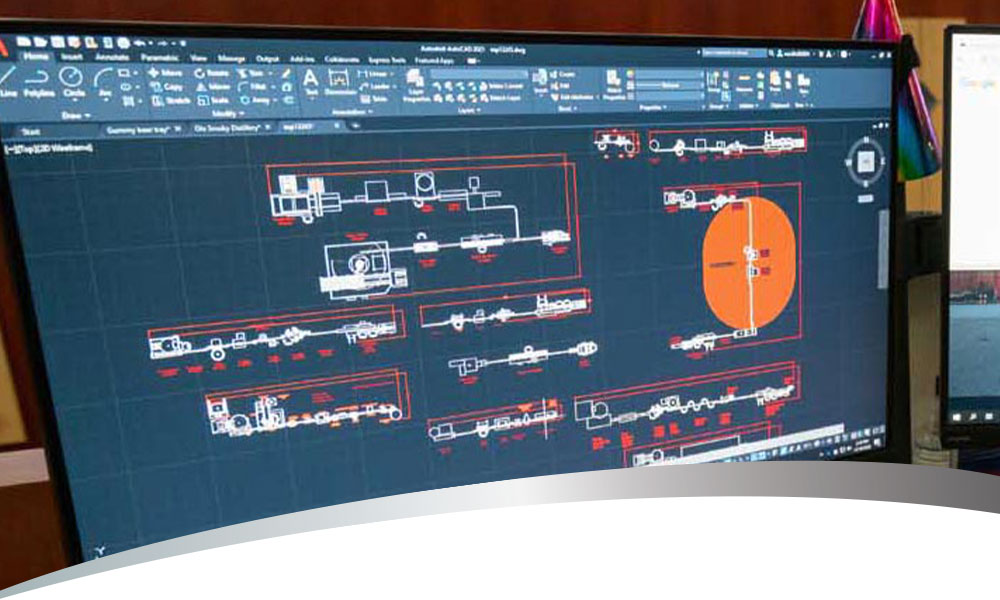
Rigorous Factory Acceptance Testing (FAT)
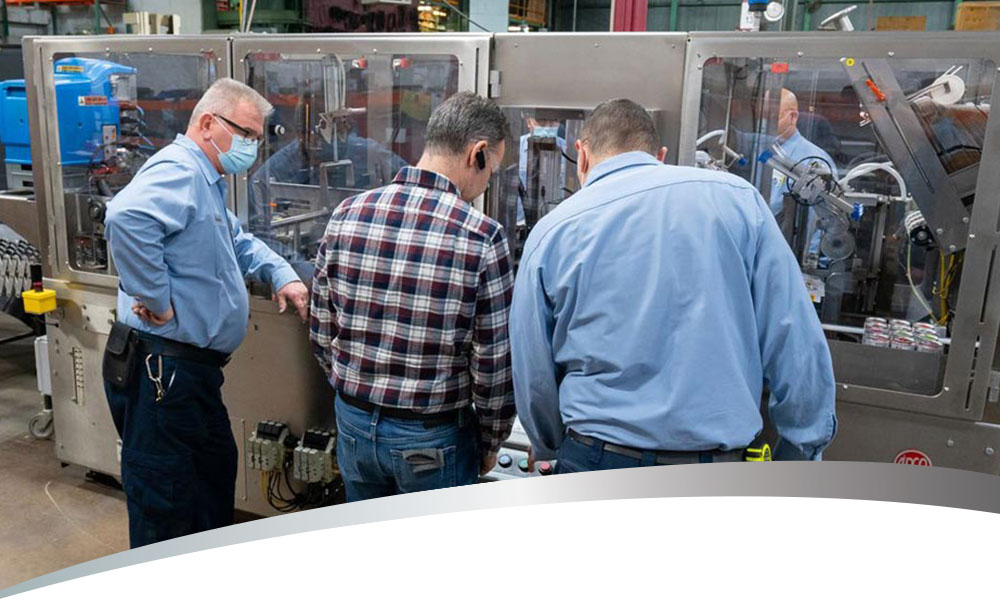
Surprises on a pharmaceutical cleanroom floor cost tens of thousands of dollars per hour. Frain eliminates start-up risk by conducting comprehensive Factory Acceptance Testing (FAT) at our facility. You witness your actual production bottles, vials, caps, and liquid media running under live production conditions prior to shipment.
Our FAT protocol verifies:
- Statistically validated torque consistency (CpK / PpK data logging).
- Container neck stress and liner compression metrics.
- Automated vision inspection for crooked caps, missing foils, or cracked rings.
Pay-As-You-Go Rental & Financial Flexibility
Contract Manufacturing Organizations (CMOs) frequently face short-term client contracts that do not justify 7-figure machinery purchases. Frain's Pay-As-You-Go financing shifts equipment acquisition from Capital Expenditure (CapEx) to Operating Expenditure (OpEx), directly aligning equipment costs with revenue generation cycles.
If production expands long-term, our rental-equity conversion options allow you to seamlessly transition from lease to ownership without financial penalty.

4. Global Procurement & Future Trends in Pharmaceutical Capping (2025–2030)
As the pharmaceutical industry shifts toward personalized medicine, small-batch biopharmaceuticals, and accelerated drug approval pathways (such as FDA Fast Track designations), traditional procurement strategies must adapt. Strategic procurement leaders are prioritizing four critical trends in capping automation:
1. The Shift from Ownership to Asset Agility (CapEx to OpEx)
The unpredictable lifecycle of novel therapeutics renders permanent machinery purchases risky. Leading bio-pharma firms are increasingly adopting modular equipment rental strategies. By leasing pre-validated capping machinery, plants maintain absolute operational elasticity, scaling up during Phase III clinical trial production runs and scaling down or pivoting without stranded capital assets.
2. Stringent Annex 1 Cleanroom Integration
The revised EU GMP Annex 1 regulation mandates rigorous contamination control strategies (CCS) for sterile medicinal products. Capping equipment positioned adjacent to filling zones must now be enclosed within Restrictive Access Barrier Systems (RABS) or negative/positive pressure Isolators. Future procurement requires cappers engineered with ultra-compact footprints, glove-port access geometry, and seamless VHP-sealed drive motors.
3. AI-Driven Real-Time Quality Assurance & PAT
Process Analytical Technology (PAT) is expanding into closure mechanics. Next-generation capping machines incorporate real-time high-speed vision camera arrays and piezoelectric torque sensors. Machines continuously stream torque curve signatures to cloud analytics, automatically predicting seal degradation, detecting microscopic thread mismatches, and rejecting non-conforming containers without stopping the line.
4. Eco-Friendly & Lightweight Closure Compatibility
Environmental sustainability initiatives are pushing pharmaceutical manufacturers toward lightweight plastic bottles and recyclable tethered closures. However, thinner container walls are highly susceptible to radial deformation during high-speed capping. Modern capping machinery must incorporate delicate container clamping belts and soft-start servo profile drives to apply structural holding forces without crushing lightweight bottles.
5. Product Development & Technological Advancements
The technological evolution of pharmaceutical capping centers on eliminating mechanical variability, reducing human intervention, and ensuring complete process repeatability. Key technological innovations transforming the sector include:
Direct-Drive Servo Spindles
Replaces gears, belts, and mechanical friction clutches with direct-drive brushless motors. Allows micro-adjustment of top load force and rotational angle down to 0.1° resolution.
Tool-Less 3-Minute Changeover
Utilizes color-coded, snap-lock change parts and motorized height adjustment spindles. Dramatically reduces batch changeover downtime from hours to minutes.
Active Particulate Exhaust
Integrated HEPA vacuum shrouds continuously draw air away from the bottle finish during cap placement, pulling metallic micro-particles into dedicated exhaust traps.
6. Frequently Asked Questions by Global Pharmaceutical Buyers
Based on operational inquiries submitted by global pharmaceutical procurement teams, project engineers, and validation managers, here are definitive technical answers to the most common challenges in pharmaceutical capping.
Servo-driven capping machines utilize programmable electrical feedback loops and high-resolution optical encoders to control and record rotational torque with accuracy up to ±0.5 N-cm. Unlike mechanical friction clutches, which wear over time and fluctuate with temperature, servo systems deliver dynamic torque curves tailored to specific closure threads.
This precision guarantees that thread engagement creates the optimal stress profile on the bottle liner, preventing under-torquing (which risks microbial ingress and liquid leakage) and over-torquing (which causes thread stripping or liner buckling). Furthermore, every container's torque profile is electronically logged to satisfy USP <1207> deterministic integrity standards.
Application Torque is the rotational force applied by the capping spindle during the closure securing process. Removal Torque is the force required to release the closure during product usage.
Due to viscoelastic relaxation of plastic liners, plastic thread cold flow, and ambient temperature shifts, removal torque is almost always lower than application torque (typically 40% to 70% of application value after 24 hours). Quality control validation protocols establish exact application torque windows during line setup to ensure removal torque remains comfortably within user-accessibility guidelines (e.g., child-resistant closure compliance under ASTM D3475).
Renting pharmaceutical capping machinery offers three strategic business advantages:
- Speed to Market: Equipment lead times from top OEMs can exceed 30–50 weeks. Frain delivers pre-configured, FAT-tested rental cappers in as little as 48 hours to meet immediate contract milestones.
- CapEx Preservation: Renting converts large upfront capital expenditure into manageable operating expenses (OpEx), allowing companies to deploy capital into core R&D or clinical drug trials.
- Contract Matching for CMOs: Contract manufacturers can rent specific machine configurations for the exact duration of a 6-month or 2-year production contract, completely eliminating asset obsolescence and storage overhead once the campaign concludes.
Validation timelines often stall due to mechanical adjustments required post-delivery. Frain eliminates this bottleneck by executing a rigorous FAT at our facility using your actual production bottles, caps, and fill media.
We test torque consistency, container handling stability, defect rejection logic, and line integration parameters. Upon arrival at your plant, the machine is functionally pre-validated, enabling your engineering team to execute Installation Qualification (IQ), Operational Qualification (OQ), and Performance Qualification (PQ) protocols significantly faster.
To adhere to EU GMP Annex 1 and ISO Class 5 cleanroom standards, pharmaceutical cappers employ three primary defense mechanisms:
- Shedding Mitigation: Replacing rubber drive belts and friction wheels with direct-drive magnetic spindles or non-shedding polyurethane timing belts.
- Sanitary Design: Smooth electro-polished 316L stainless steel surfaces without exposed threads, blind holes, or sharp corners where particulates can accumulate.
- Active Vacuum Shrouding: Installing localized HEPA-filtered vacuum extraction manifolds directly around the capping heads to draw aluminum dust (in vial crimping) or plastic micro-shavings away from open container openings.
Yes. Our inventory includes dual-action servo capping systems capable of applying simultaneous downward push force and precise rotational torque required for Child-Resistant Closures (CRC), as well as dedicated chucks designed to engage delicate tamper-evident ring bands without pre-breaking them during application. Modular chuck change parts allow rapid switching between different closure styles on the same base machine.
Need High-Performance Pharmaceutical Capping Machinery Fast?
Avoid 40-week OEM lead times. Accelerate your production line with Frain's pre-tested, plug-and-play cGMP machinery available for immediate rental or lease.