
Industry Knowledge & Insights

Frain Machinery Blog

Latest Articles, Buying Guides, and Rental Strategies for Packaging & Processing

0%

Personal Care Bottling Equipment sits at the meeting point of product protection, production speed, and consumer trust. It fills, caps, labels, and checks products such as shampoo, lotion, liquid soap, oils, and facial cleansers. The equipment may look industrial, yet every nozzle, pump, and conveyor affects the customer’s experience.

Packaging consultant and PMMI market-development specialist Jorge Izquierdo has emphasized the value of connected production, noting, “Data helps manufacturers make better decisions across the packaging line.” This principle applies directly to Personal Care Bottling Equipment. A modern filling line can monitor fill levels, detect missing caps, and record production changes. These details matter when a product contains expensive ingredients or uses a narrow-neck bottle.

Choosing equipment requires more than checking hourly output. A thick body cream may need a piston filler, while a thin toner may require an overflow or gravity system. Pump closures create another challenge. They must align consistently. Small errors can cause leaks, uneven presentation, or customer complaints.

The cleanest-looking line is not always the best choice. A fast machine may waste product during changeovers. A compact system may limit future growth. These trade-offs deserve careful review.

No line is perfect.

Reliable buyers examine material compatibility, cleaning access, operator safety, service support, and documentation. They also test real containers and formulas before approval. This article explains how Personal Care Bottling Equipment works, which technologies support different products, and how manufacturers can select a dependable system without overlooking practical limitations.
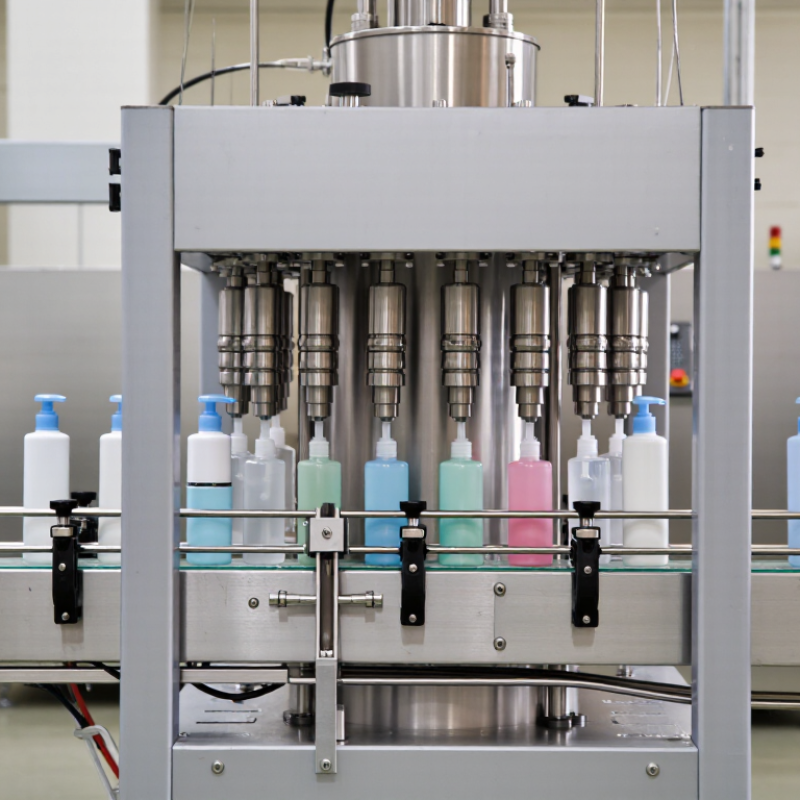
What Is Personal Care Bottling Equipment?

Definition and Purpose of Personal Care Bottling Equipment

Personal care bottling equipment is the machinery used to fill, close, label, and inspect products such as shampoo, lotion, cleanser, and liquid soap. Its purpose is simple: place a consistent amount of product into each container while protecting quality and production efficiency. A complete line may include bottle rinsers, volumetric or piston fillers, capping machines, induction sealers, labelers, and vision inspection systems.

The market makes this equipment increasingly important. McKinsey reported that the global beauty market could reach about $580 billion by 2027, with annual growth near 6%. Grand View Research also estimated the global beauty and personal care products market at more than $550 billion in 2023. These figures indicate rising demand for reliable, scalable packaging operations. However, equipment must handle more than speed. Thick creams, foaming liquids, oils, and abrasive scrubs require different filling principles and contact materials.

Accuracy matters.

In practical production, operators often adjust fill timing, nozzle height, and conveyor speed after observing real product behavior. Laboratory specifications can appear perfect, yet viscosity may change with temperature. A faster line is not automatically a better line. Careful changeover design, cleanable surfaces, controlled torque, and documented inspections support safer and more repeatable output. PMMI industry guidance also emphasizes automation, labor efficiency, and flexible packaging systems as continuing priorities. Still, every application deserves validation. Container shape, closure design, formula sensitivity, and expected batch size should guide the final equipment selection.

Core Components and Machine Functions

Personal care bottling equipment converts empty containers into sealed, traceable products. A typical line uses a bottle unscrambler, conveyor, rinser, filler, capper, sealer, labeler, and inspection system. Each unit performs a defined task. Conveyors control spacing, while sensors prevent collisions and missed containers. The filling machine measures shampoo, lotion, cleanser, or liquid soap by piston, pump, or flowmeter. Servo drives improve repeatability when product viscosity changes. The capper applies controlled torque, reducing leaks and loose closures. Small errors matter.

According to Grand View Research, the global cosmetics packaging market was valued at approximately USD 32.74 billion in 2023. That scale increases pressure for stable, efficient filling lines. PMMI’s 2024 industry reporting also highlights automation, workforce shortages, and flexible machinery as major packaging priorities. A modern system therefore combines PLC controls, recipe management, quick-change parts, and inline vision inspection. The vision camera checks cap presence, fill level, label position, and obvious container damage. It is not perfect. Foam, transparent liquids, and reflective bottles can still confuse sensors. Operators must verify calibration and reject settings during production. Hygienic design remains essential, especially around product-contact zones. Stainless-steel surfaces, drainable frames, and controlled cleaning procedures help limit contamination risks. Data logging records batch settings, alarms, and inspection results for quality review. Reliable bottling is not only fast. It is measurable, adjustable, and carefully maintained.

What Is Personal Care Bottling Equipment? - Core Components and Machine Functions

Equipment Component Primary Function Typical Operating Characteristics Suitable Personal Care Products Important Selection Factors
Product Holding Tank Stores the bulk product and supplies a consistent feed to the filling system. May include agitation, level monitoring, temperature control, sanitary fittings, and a conical or sloped bottom for drainage. Shampoo, conditioner, lotion, liquid soap, facial cleanser, and creams. Working volume, viscosity, shear sensitivity, cleanability, material compatibility, and batch temperature.
Product Pump Transfers product from the holding tank to the filling valves or nozzles. Positive-displacement pumps are commonly used for viscous products; centrifugal pumps are generally better suited to lower-viscosity liquids. Lotions, gels, creams, oils, liquid cleansers, and aqueous solutions. Flow rate, pressure, viscosity range, product sensitivity, pulsation, and ease of cleaning.
Bottle Infeed Conveyor Moves empty containers into the filling area at a controlled and consistent spacing. Usually uses adjustable guides, variable-speed drive control, and sensors to regulate container flow. Plastic, glass, or metal containers used for most liquid and semiliquid products. Bottle dimensions, container stability, line speed, conveyor width, and changeover time.
Container Indexing System Positions and holds bottles accurately beneath the filling nozzles. May use stop gates, star wheels, timing screws, clamps, or servo-controlled positioning mechanisms. Round, oval, rectangular, lightweight, or irregularly shaped bottles. Neck geometry, bottle rigidity, required positioning accuracy, speed, and format flexibility.
Filling Valves and Nozzles Dispense a measured quantity of product into each container while minimizing drips and splashing. Common filling principles include volumetric, piston, pump-based, gravity, overflow, and flowmeter filling. Foaming liquids, free-flowing liquids, viscous lotions, creams, gels, and products containing particulates. Target fill accuracy, viscosity, foam behavior, nozzle size, shutoff performance, and product-contact materials.
Filling Control System Coordinates filling volume, timing, speed, recipes, alarms, and operator settings. Typically uses a programmable controller, touch-screen interface, sensors, and adjustable filling parameters. Applicable to automated and semiautomatic personal care filling lines. Recipe management, data access, alarm handling, safety interlocks, and ease of operator use.
Cap Feeding System Organizes caps and delivers them to the capping station in the correct orientation. May include a cap hopper, elevator, chute, sorter, or vibratory orientation unit. Screw caps, disc-top closures, flip-top caps, pump closures, and trigger sprayers. Closure shape, feeding stability, cap material, orientation requirements, and changeover flexibility.
Capping Machine Places and tightens caps or other closures to create a secure, functional package. Torque-controlled spindle, chuck, snap-cap, or specialized pump-closure mechanisms may be used. Shampoos, lotions, creams, liquid soaps, serums, and spray products. Closure type, torque range, seal integrity, tamper evidence, neck finish, and bottle handling.
Induction Sealer or Foil Sealer Applies a heat-sealed liner to compatible containers to improve leak resistance and product protection. Uses controlled electromagnetic heating and requires a suitable foil liner, container, and closure combination. Creams, lotions, gels, powders, and liquid personal care products. Container material, liner compatibility, seal width, line speed, heat settings, and tamper-evidence requirements.
Labeling Unit Applies front, back, wraparound, or other pressure-sensitive labels to filled and closed containers. Uses label rolls, applicator rollers or belts, product sensors, and adjustable label positioning controls. Bottles, jars, tubes, and containers with cylindrical or flat label surfaces. Container shape, label size, adhesive type, placement tolerance, label material, and inspection needs.
Checkweigher or Fill-Level Inspection Checks package weight, fill level, cap presence, or other quality attributes and rejects nonconforming units. May use load cells, vision sensors, level sensors, or combined inspection systems. Retail personal care products requiring consistent fill and closure presentation. Permitted tolerances, product density, inspection speed, reject accuracy, and traceability requirements.
Discharge Conveyor and Accumulation Table Transfers finished containers to packing and provides temporary accumulation between production stages. Designed to maintain product spacing and reduce stoppages caused by downstream packaging delays. Finished bottles, jars, and other filled personal care containers. Container stability, surface protection, accumulation capacity, layout, and downstream packing speed.
Cleaning and Changeover Features Support hygienic operation, product changeover, maintenance, and removal of residual product. May include tool-free parts, drainable piping, removable nozzles, clean-in-place capability, and quick-adjust guides. Especially important for products with fragrances, pigments, oils, active ingredients, or different viscosities. Sanitary design, accessibility, rinseability, allergen or fragrance changeover risk, downtime, and maintenance access.
Key takeaway: Personal care bottling equipment combines product handling, filling, container positioning, closure application, labeling, inspection, and conveyor systems to produce consistent, secure, and market-ready packages.

Compatible Products and Packaging Formats

What Is Personal Care Bottling Equipment?

Personal care bottling equipment fills, caps, and labels products with controlled accuracy. Its value depends on product behavior and packaging compatibility. Shampoo, body wash, liquid soap, lotion, serum, and facial cleanser require different filling methods. Thin liquids move quickly through nozzles. Thick creams need stronger pumps and wider product paths. Foaming formulas may require slower filling and careful nozzle movement.

Compatible packaging formats include plastic or glass bottles, jars, tubes, pouches, and airless containers. Closures can include screw caps, flip tops, pumps, sprays, droppers, and disc tops. Container shape also matters. A narrow neck may need a smaller nozzle, while a wide jar needs a different filling head. During equipment trials, I check fill weight, dripping, cap alignment, and label placement. A machine may handle one bottle perfectly but struggle with another shoulder shape. That detail is easy to miss.

Tips: Test the actual formula and container together. Measure viscosity at expected production temperatures. Check whether the filling nozzle reaches the package cleanly. Leave space for setup changes. A short trial often reveals more than a specification sheet. Also, review cleaning access and material compatibility before purchase. I have seen efficient equipment lose time because operators could not clean hidden product paths easily. Reliable results require practical testing, not assumptions.

Step-by-Step Personal Care Bottling Process

What Is Personal Care Bottling Equipment?

Step-by-Step Personal Care Bottling Process

Personal care bottling equipment moves product from a mixing tank into clean, market-ready containers. A typical line includes bottle handling, filling, capping, labeling, and inspection units. The exact setup depends on viscosity, foaming behavior, container shape, and production volume.

The process starts with container verification. Operators check size, material, cleanliness, and cap compatibility. Empty bottles then enter the conveyor and align beneath filling nozzles. Servo-driven or piston fillers measure lotions, shampoos, and gels with controlled accuracy. Foamy formulas may need slower filling or bottom-up nozzle movement. Small details matter here.

Next, the capping unit applies measured torque. Too little torque can cause leakage. Too much can damage threads or frustrate consumers. Labels follow, with vision systems checking position, print quality, and batch information. A final inspection removes underfilled, tilted, or damaged units. Human checks still matter, especially during changeovers.

Grand View Research reported that the global cosmetic packaging market reached about $32.8 billion in 2023, showing strong demand for dependable packaging operations. PMMI industry research also highlights automation, traceability, and flexible equipment as major packaging priorities. These trends support faster changeovers, but speed should not replace verification.

In practical testing, operators should record fill weight, torque, line speed, and reject reasons. A perfectly calibrated machine can still perform poorly with a warm or unusually thick formula. That is an uncomfortable limitation. Process reviews should challenge assumptions, not simply confirm yesterday’s settings.

Equipment Selection, Hygiene, and Maintenance Considerations

Personal care bottling equipment transfers creams, shampoos, oils, and lotions into controlled containers. Equipment selection should match viscosity, foaming behavior, container shape, and filling accuracy. The 2023 Cosmetics Europe market report valued European cosmetics sales at €88 billion, up 9.5% year over year. That growth increases pressure on reliable, flexible filling lines.

Hygiene begins with machine geometry. Choose smooth 316L stainless-steel contact parts, hygienic seals, accessible valves, and minimal dead legs. Product-contact surfaces should drain fully after cleaning. ISO 22716 recommends controlled cleaning, trained personnel, and documented production practices for cosmetic manufacturing. In practice, operators should inspect nozzle tips, hopper corners, and conveyor guides under bright light. Small residue matters. A visually clean machine may still hide buildup inside a valve.

Maintenance planning should combine preventive schedules with actual production evidence. PMMI’s 2024 packaging industry research identifies labor availability and faster changeovers as continuing operational concerns. Quick-release parts, tool-free adjustments, and clear service records can reduce avoidable downtime. Record fill-weight variation, rejected containers, seal wear, and cleaning time after every run. I have found that maintenance intervals based only on calendar dates can be misleading. A low-volume line and a three-shift line do not age equally. That assumption deserves review. Use calibrated scales, verify sensors before production, and replace damaged gaskets immediately. Small leaks often become hygiene risks.

FAQS

What equipment is commonly included in a personal care bottling line?

A typical line includes an unscrambler, conveyor, rinser, filler, capper, sealer, labeler, and inspection system. Each machine handles one defined task. Spacing matters.

How does the filling machine handle different personal care products?

It may use a piston, pump, or flowmeter for shampoos, lotions, cleansers, and liquid soaps. Servo drives improve repeatability when viscosity changes. Thick cream needs different settings.

Why are sensors and vision inspection important?

Sensors control spacing and help prevent collisions or missed containers. Vision systems check caps, fill levels, labels, and obvious bottle damage. They can still be confused by foam or reflective surfaces.

What hygiene features should equipment include?

Product-contact parts should use smooth stainless steel, hygienic seals, accessible valves, and drainable surfaces. Minimize hidden corners and dead legs. Residue can hide inside valves.

How can operators verify machine cleanliness?

Inspect nozzle tips, hopper corners, conveyor guides, and valve areas under bright light. Follow controlled cleaning procedures and keep service records. A clean appearance is not proof.

What maintenance records should a bottling line keep?

Record fill-weight variation, rejected containers, seal wear, cleaning time, alarms, and batch settings. These details reveal recurring problems. Small leaks deserve immediate attention.

Are calendar-based maintenance intervals always reliable?

Not always. A low-volume line and a three-shift line do not age equally. Production evidence should help adjust maintenance timing.

How can a line reduce changeover time and avoid downtime?

Use quick-release parts, tool-free adjustments, recipe management, and clear service records. Calibrate scales and sensors before production. Faster is not always safer.

Conclusion

Personal Care Bottling Equipment refers to the machinery used to fill, cap, seal, and prepare products such as shampoos, lotions, creams, liquid soaps, and other personal care formulas for packaging. Its main purpose is to deliver accurate, consistent, and efficient production while protecting product quality. Typical systems may include storage tanks, pumps, filling heads, conveyors, capping units, sealing devices, and labeling or inspection components. These machines can handle a variety of products and packaging formats, including bottles, jars, tubes, and other suitable containers.

The personal care bottling process generally involves preparing the formula, positioning clean containers, filling each package to a controlled level, applying closures, checking the finished units, and preparing them for storage or shipment. When selecting Personal Care Bottling Equipment, manufacturers should consider product viscosity, container design, production volume, filling accuracy, and future expansion needs. Hygienic construction, easy cleaning, routine inspection, and scheduled maintenance are also essential for reliable operation, reduced contamination risks, and consistent packaging performance.

Isabella

Isabella

Isabella is a skilled marketing professional dedicated to enhancing the visibility and reach of her company's innovative products. With a deep understanding of the industry, she combines her expertise with a passion for developing compelling content that resonates with the target audience. Isabella......