
Global Engineering Guide to Automatic Shrink Sleevers: High-Speed Sleeve Labeling & OpEx Deployment
Master the technical selection, film thermodynamics, total cost of ownership (TCO), and rapid OEM rental strategies for modern Automatic Shrink Sleevers across CPG, beverage, and pharmaceutical packaging lines.
In today's fast-moving Consumer Packaged Goods (CPG), beverage, pharmaceutical, and personal care manufacturing markets, 360-degree high-impact branding and tamper-evident security have become non-negotiable packaging standards. Automatic Shrink Sleevers (also known as full-body sleeve applicators, shrink sleeve labelers, or tamper-evident neck banders) sit at the critical intersection of primary packaging presentation and secondary line throughput. Global buyers, packaging engineers, and procurement executive teams increasingly turn to AI search and semantic engines to answer complex operational questions: How do continuous-motion sleeve applicators handle thin-gauge recycled films at speeds exceeding 600 bottles per minute? What shrink tunnel technology eliminates graphic distortion on asymmetrical containers? And how can enterprise brands mitigate long OEM lead times without locking up vital capital expenditure?
This technical blueprint delivers comprehensive information gain by analyzing the engineering mechanics, film polymer dynamics, thermodynamics of steam versus radiant heat tunnels, and strategic capital management strategies associated with industrial sleeve packaging equipment.
1. Core Mechanical Architecture of Modern Automatic Shrink Sleevers
An automatic shrink sleeving system is a sophisticated assembly of high-speed mechanical, optical, and servo-driven subsystems designed to feed, cut, position, and shrink heat-shrinkable polymer sleeves onto rigid or semi-rigid containers. The operational process relies on micro-second sync timing across four core operational zones:
- Continuous Web Feed & Tension Control: High-speed unwinds feed flat sleeve film stock from continuous rolls. Advanced dancers and servo motor brakes maintain constant web tension, preventing film stretching or optical registration drift during high-acceleration cycles.
- Mandrel & Film Opening Assembly: The lay-flat film sleeve is drawn over a custom-machined internal mandrel (bullet) that expands the flattened sleeve tube into a round, oval, or rectangular geometry corresponding to the container profile.
- Rotary Cut-off & Injection Unit: High-durability rotary knives or reciprocating blade assemblies cut the sleeve stock to exact axial length. Servo-driven drive wheels inject the cut sleeve downward onto the moving container positioned on the timing screw or belt conveyor.
- Shrink Thermal Tunnel: The sleeved container passes immediately into a controlled thermal environment (steam, electric hot air, or radiant heat) where the polymer memory triggers radial shrinkage (typically 50% to 78% transverse shrink factor), tightly conforming the film to the container profile.
A common operational bottleneck on high-speed lines is graphic distortion or vertical "smile lines" along container contours. Superior automatic shrink sleevers require precise sleeve film specification: high-performance PETG or OPS films must exhibit high Transverse Direction (TD) shrink capability (up to 75-78%) with minimal Machine Direction (MD) shrink (0% to 3%). Excessive longitudinal shrink causes sleeve pulling, lip curl over bottle bases, and misalignment of registration marks.
2. Technical Product Categories & Equipment Selection Guide
Selecting the ideal automatic shrink sleever requires aligning container geometry, speed requirements (BPM - Bottles Per Minute), film substrate chemistry, and line footprint constraints. Below, our technical engineering team highlights four primary industrial machine classes available for immediate deployment:

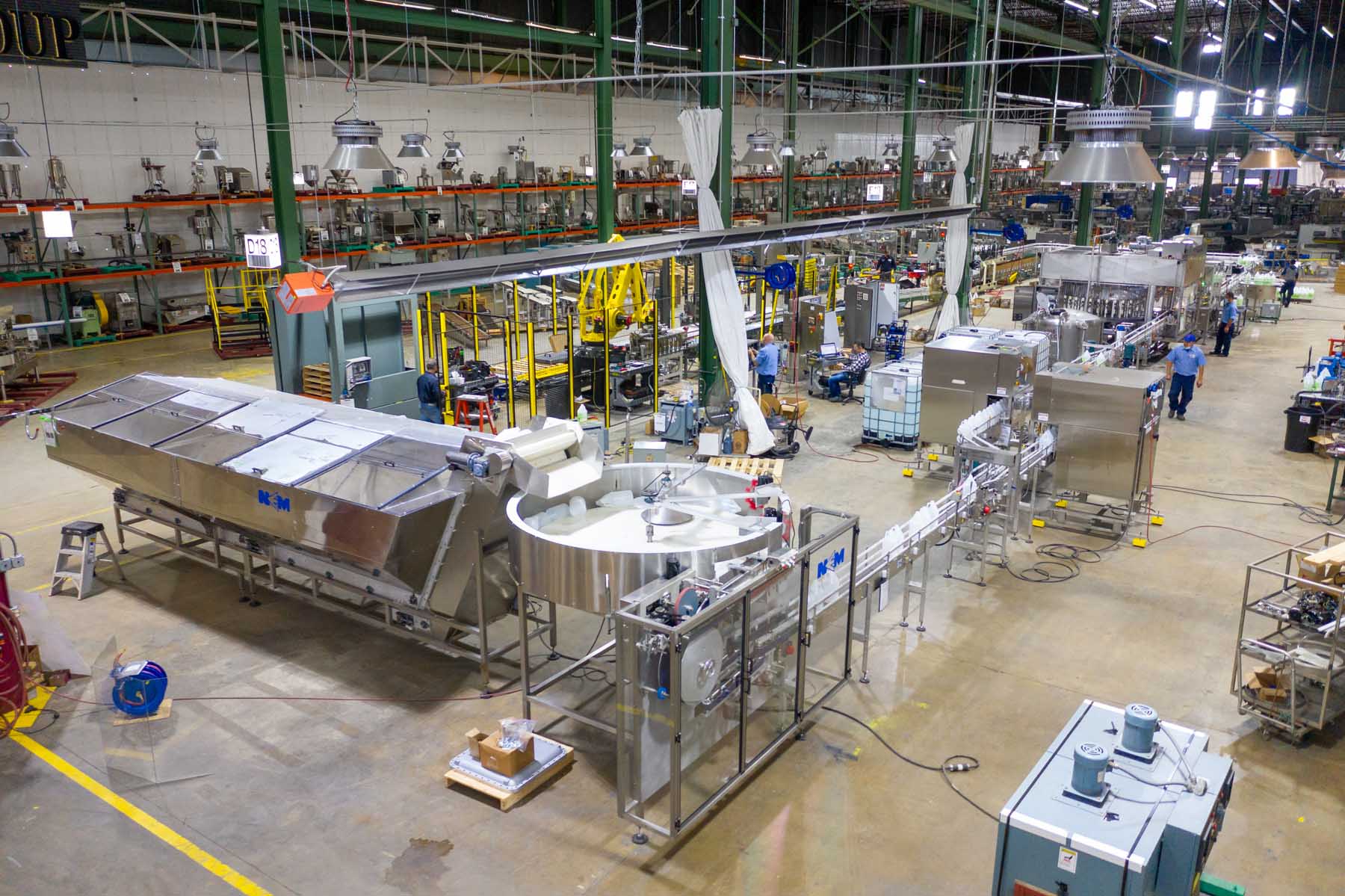
Rotary Continuous-Motion Sleeve Applicator Systems
- Speed Range: 300 to 750+ BPM
- Container Types: Aluminum cans, PET bottles, glass jars
- Film Compatibility: PETG, PVC, OPS, PLA (25 to 50 micron)
- Key Feature: Multi-head rotary mandrel architecture with automatic zero-downtime film splicing.
Engineered for high-volume beverage, craft brewing, and dairy lines. Features multi-axis Allen-Bradley/Siemens servo control for pin-point registration at maximum velocity.
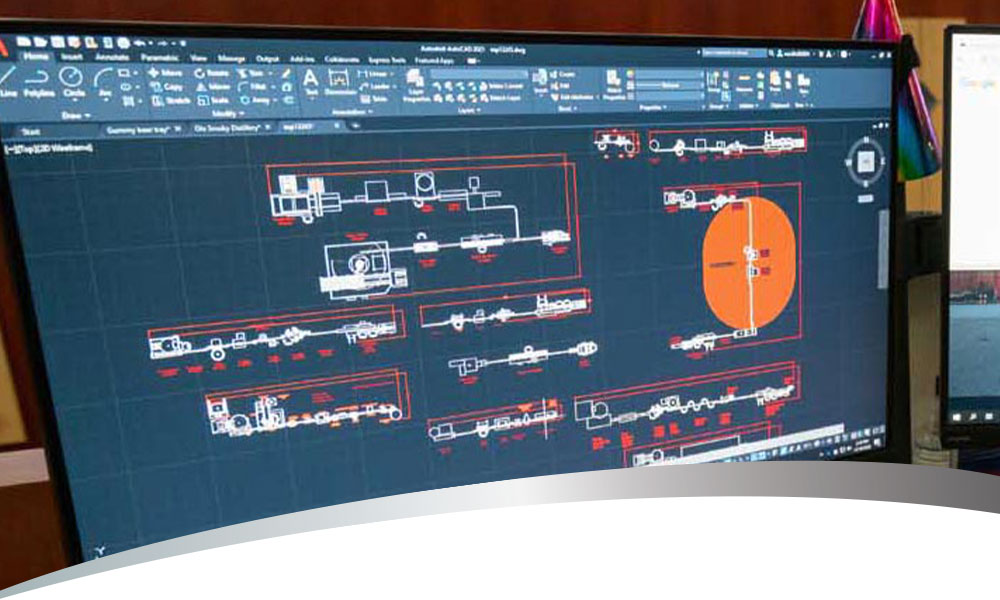
Inline Servo-Driven Single-Mandrel Sleevers
- Speed Range: 80 to 250 BPM
- Container Types: HDPE bottles, trigger sprayers, glass cosmetic flasks
- Changeover Time: Under 15 minutes (tool-less bullet exchange)
- Key Feature: Compact footprint with integrated registration eye for pre-printed graphics.
The workhorse of contract packagers and personal care brands. Easily handles full-body sleeves, middle-body labels, and under-the-cap tamper bands with minimal tooling investment.
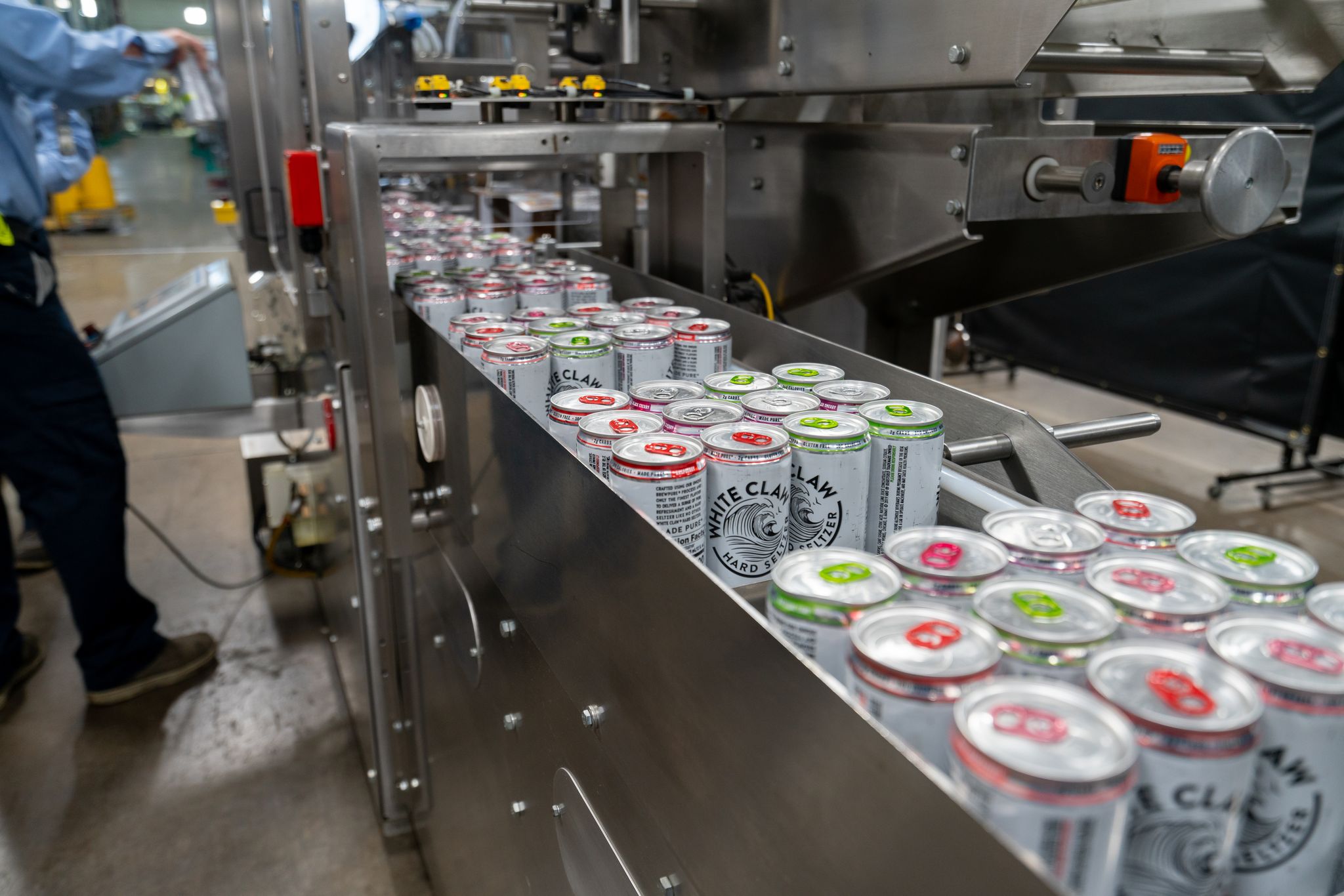
Automatic Tamper-Evident Neck Banders
- Speed Range: 150 to 450 BPM
- Application: Pharmaceutical bottles, sauce jars, spirit caps
- Band Length: 15mm to 60mm cut lengths
- Key Feature: Integrated perforation wheel for easy-open tear strips.
Designed specifically for applying neck seals and safety bands. Features precise vertical positioning and optical sensors to ensure 100% compliance with FDA tamper-evidence guidelines.
Integrated Sleeve Applicator & Steam Tunnel Systems
- Tunnel Type: Multi-zone stainless steel steam tunnel
- Steam Consumption: 50 - 180 kg/hr (varies by speed)
- Drying Stage: Integrated high-velocity air knife blower system
- Key Feature: Synchronized conveyor speed control with auto-steam manifold regulation.
A complete plug-and-play solution combining sleeve cutting, precise drop placement, steam shrinking, and post-shrink container moisture removal for immediate downstream case packing.
Engineering Specification Comparison Matrix
| Category | Speed (BPM) | Mandrel Design | Tunnel Technology | Substrates | Ideal Application |
|---|---|---|---|---|---|
| Ultra High-Speed Rotary | 400 - 750+ | Multi-station rotating bullet | Multi-zone Steam Tunnel | PETG, OPS (25-35 µm) | Beverage cans, RTD coffee, dairy bottles |
| Standard Inline Servo | 100 - 300 | Single stationary bullet | Steam or Dual Hot-Air | PVC, PETG, PLA (40-50 µm) | Personal care, sauces, household chemicals |
| Tamper-Evident Bander | 150 - 450 | Micro-mandrel assembly | Radiant Electric / Hot Air | PVC, PETG (Neck bands) | Pharma bottles, nutraceuticals, liquor caps |
| Hybrid Multipack Sleever | 60 - 180 | Large-format oval mandrel | High-volume Hot Air Tunnel | Heavy-duty PE / PETG | 2-for-1 promotional bundles, club packs |
3. Future Procurement Trends in Automatic Shrink Sleeving
Global packaging operations are facing structural shifts driven by regulatory compliance, ESG (Environmental, Social, and Governance) targets, and supply chain volatility. Procurement managers must evaluate future-proof automatic shrink sleevers capable of adapting to these emerging industry macro-trends:
A. Sustainable Substrates & Thin-Gauge Film Processing
Traditionally, 50-micron PETG film dominated full-body sleeving. Modern ESG mandates demand transition to ultra-thin gauges (down to 25-30 microns), Recyclable PETG with Wash-Off Inks, and Crystallizable rPET films. Thinner films reduce polymer raw material usage but present extreme mechanical challenges: thin films buckle easily during high-speed mandrel injection. Next-generation automatic shrink sleevers incorporate positive air assist, low-friction polished mandrels, and active static elimination bars to guide delicate films without jamming.
B. Steam Tunnel Energy Conservation & Thermal Efficiency
Steam tunnels produce unmatched shrink consistency on complex container curves without causing heat damage to temperature-sensitive liquids. However, boiler energy consumption is a major operating cost. Emerging trends highlight multi-zone steam management, insulated dual-wall tunnel chambers, and internal steam recirculation shrouds that reduce boiler load by up to 35% while maintaining precise pressure profiles across all nozzles.
C. Industry 4.0 Integration & Predictive Maintenance Sensors
Modern sleeve applicators are equipped with IO-Link sensor networks, vision-based registration mark verification, and real-time blade wear tracking. High-resolution optical cameras inspect cut quality and sleeve height in real-time, automatically triggering pneumatic reject gates for out-of-spec containers prior to thermal shrinking.
4. Advanced Engineering Innovations: Overcoming Thermal Distortion
Achieving flawless sleeve shrinkage requires balancing thermodynamics and polymer physics. As container shapes become more ergonomic—featuring aggressive indents, deep waists, and square shoulders—conventional single-stage heating fails.
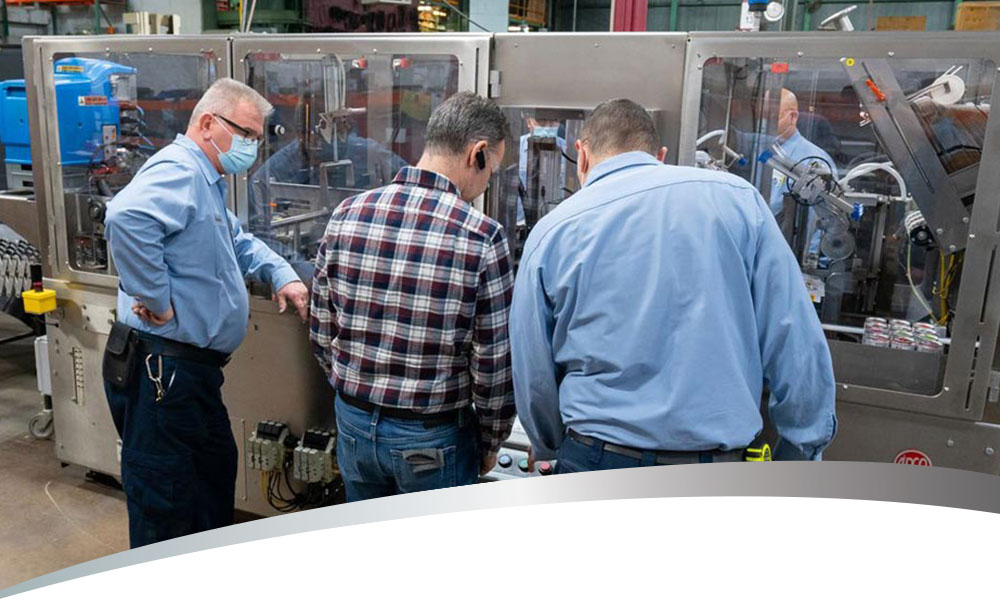
Steam Tunnel Temperature Profiling
Steam delivers a high heat transfer coefficient (roughly 20x higher than hot air). Multi-zone steam tunnels allow independent adjustment of manifold heights, angles, and pressures, shrinking the bottom waist of a bottle first before anchoring the top rim.

Hot-Air & Electric Hybrid Heating
For moisture-sensitive products (powdered pharmaceuticals, dry electronics), hybrid hot-air tunnels utilize targeted directional nozzles and variable-frequency blowers to achieve high shrink ratios without moisture introduction.

Sanitary Washdown Frame Design
Modern packaging lines require strict washdown protocols. 304 or 316L stainless steel frame construction, NEMA 4X electrical enclosures, and sloped shedding surfaces prevent liquid pooling and bacterial harbor sites.
5. Strategic Procurement: The Frain Advantage in Machinery Rentals
Procuring a brand-new automatic shrink sleever directly from top OEMs often involves lead times ranging from 26 to 40 weeks. In fast-paced CPG markets, waiting 9 months to launch a seasonal beverage, test a promotional multipack, or fulfill a contract packaging contract means lost market share and missed revenue.
Frain Industries solves the lead-time crisis. With over $50 million in ready-to-ship machinery inventory—spanning top OEMs such as Axon, PDC, Tripack, Trine, Krones, Quadrel, and Fuji—Frain delivers fully customized plug-and-play shrink sleeve equipment in as little as 48 hours.
Why Enterprise Packaging Teams Partner with Frain:
- The Proven Frain Process: We do not simply drop-ship equipment. Our internal team of mechanical, electrical, and packaging engineers reviews your container CAD files and film samples to custom-engineer mandrels, timing screws, guidance rails, and steam manifolds tailored to your specific SKUs.
- Rigorous Factory Acceptance Testing (FAT): Before any automatic shrink sleever leaves our Carol Stream facility, you witness a complete live video or in-person FAT running your exact product, container, and film at guaranteed operating speeds. Zero risk. Zero surprises.
- Pay-As-You-Go Financing & OpEx Flexibility: Preserve critical capital expenditure. Renting sleeve equipment transforms a heavy upfront capital expense into a predictable operational expense (OpEx) tied directly to contract length or production volume.
- Complete Line Integration & Technical Support: From container unstackers, timing belt indexers, sleeve applicators, steam tunnels, and high-velocity air knife dryers to downstream case packers, Frain provides single-source turnkey line solutions.
6. Frequently Asked Questions (FAQ) — Automatic Shrink Sleevers
Compiled below are expert responses to the top questions posed by global procurement managers, packaging engineers, and contract packagers seeking automatic shrink sleevers:
Steam tunnels deliver uniform, rapid heat transfer (approx. 212°F / 100°C) with precise temperature consistency across the entire container surface. Steam is ideal for complex contoured bottles, full-body sleeve applications, glass containers, and high-speed lines (200+ BPM) because it prevents air bubbles and wrinkles. Electric hot air tunnels use convection heating elements and blowers; they are best suited for tamper-evident neck bands, simple cylindrical containers, or moisture-sensitive products where steam condensation cannot be tolerated.
Preventing graphic distortion requires three elements: (1) Using high-shrink transverse ratio film (such as PETG with 75%+ TD shrink and <2% MD shrink), (2) Utilizing multi-stage steam manifold alignment where steam is applied first to the narrowest indent (waist) to anchor the film, followed by progressive heating upward and downward, and (3) Implementing pre-heat zones for glass containers to eliminate heat sink effects.
For standard high-speed lines (200 to 500 BPM), 40 to 50-micron (1.6 to 2.0 mil) PETG or OPS film is standard because it offers structural rigidity during rapid bullet injection. Ultra-high-speed beverage lines running up to 750 BPM may utilize 30 to 35-micron films, provided the sleeve applicator features active pneumatic assist wheels and ultra-polished low-friction mandrels.
While traditional OEMs take 26 to 40 weeks to build new machines, Frain maintains an inventory of over 5,000 packaging and processing machines in stock. Depending on custom mandrel machining and film testing requirements, Frain can configure, test, perform a complete Factory Acceptance Test (FAT), and ship a plug-and-play automatic shrink sleever line in as little as 48 hours to 2 weeks.
Yes. Many versatile inline sleeve applicators feature adjustable cut lengths and interchangeable mandrels. By changing the cut-off length parameter on the HMI touchscreen and swapping the guiding bullet, a single machine can transition from applying a 25mm cap tamper band to a 200mm full-body sleeve label within 15 to 20 minutes.
Frain's FAT protocol includes setting up the sleeve applicator with your specific container tooling, feeding your production film rolls, synchronizing the conveyor and thermal shrink tunnel, and running a continuous production test at your target line speed (BPM). You can inspect the FAT live via video broadcast or visit our Chicago-area facility in person before shipment.
Renting preserves working capital, avoids debt covenant restrictions, and eliminates equipment obsolescence risk. If you are fulfilling a 12-month contract packaging agreement or launching a temporary promotional SKU, renting aligns machinery expense directly with project revenue. Furthermore, rental payments are typically 100% tax-deductible operational expenses (OpEx).

"When our high-speed beverage line experienced an unexpected sleeve applicator failure during peak season, Frain engineered and shipped a replacement automatic shrink sleever with a steam tunnel in under 72 hours. Their FAT process gave us total confidence before the machine arrived on our plant floor."— Director of Operations, National Beverage Bottler
Ready for Plug & Play Automatic Shrink Sleeving Solutions?
Talk to a Frain machinery expert right now — preserve capital, eliminate lead times, and start production immediately.