
Industry Knowledge & Insights

Frain Machinery Blog

Latest Articles, Buying Guides, and Rental Strategies for Packaging & Processing

0%

China’s packaging machinery sector is gaining attention as brands seek faster labeling, cleaner bottle presentation, and lower labor dependence. PMMI’s 2024 packaging trends research highlights automation, workforce shortages, and sustainability as major investment drivers. These pressures are visible on production floors, where operators manage PET bottles, sleeve film, steam tunnels, and frequent format changes.

This guide examines China’s Top 10 Automatic Shrink Sleevers Manufacturers through practical purchasing criteria. The review considers verified machine installations, labeling accuracy, line speed, changeover time, energy use, and after-sales support. Smithers’ The Future of Labels and Labeling to 2028 also shows continued development across packaging formats, including solutions that improve shelf impact and material efficiency. Automatic Shrink Sleevers must therefore do more than apply attractive labels. They should control film tension, reduce wrinkles, protect containers, and maintain stable output during long shifts.

Real performance matters.

A supplier may advertise 300 bottles per minute, yet factory conditions can produce different results. Bottle shape, sleeve thickness, tunnel temperature, and operator training all influence output. Public rankings also have limits. Manufacturers rarely disclose complete installation records, failure rates, or total ownership costs. That gap deserves attention. This comparison uses available technical evidence, company experience, export capability, certifications, and customer-service responsiveness. It is not an official industry ranking. Instead, it offers a practical starting point for buyers comparing Chinese manufacturers for beverage, food, personal-care, and household-product lines. Readers should still request sample trials, reference contacts, and written performance guarantees before making a final decision.
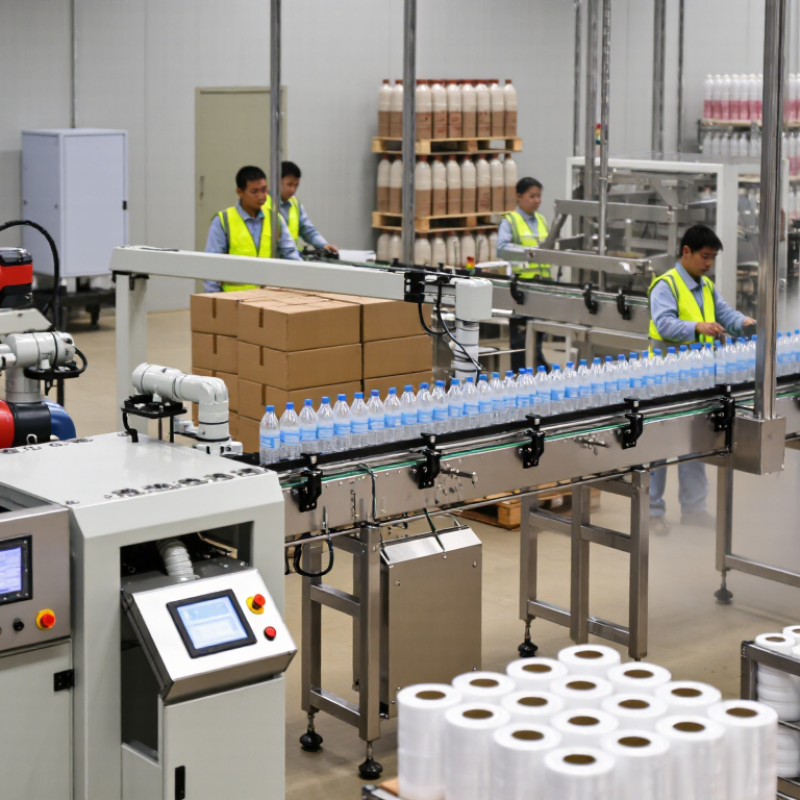
China Top 10 Automatic Shrink Sleevers Manufacturers?

What Are Automatic Shrink Sleevers? Key Specs: 100–600 Bottles/Min

Automatic shrink sleevers apply heat-sensitive film labels around bottles, containers, or jars. The machine feeds, cuts, positions, and shrinks each sleeve with limited operator handling. In practical production, output usually ranges from 100 to 600 bottles per minute. Actual speed depends on container shape, sleeve length, film thickness, and heat tunnel design.

A reliable machine needs accurate registration, stable film tension, and quick changeover controls. Servo-driven cutting systems can improve sleeve placement and reduce material waste. A well-designed tunnel should shrink evenly without wrinkling corners or overheating the container. However, advertised speed can be optimistic. Testing with your own bottles is essential. A line running at 600 bottles per minute may slow considerably with tall, tapered, or unstable containers.

Tips: Ask manufacturers for a live trial using your actual packaging. Check sleeve accuracy at different speeds, not only the best setting. Measure compressed-air use, power demand, cleaning time, and operator access. Keep spare cutting blades and sensors available. Small details matter. Also, review safety guarding, emergency stops, and maintenance records before purchasing. A cheaper machine may become expensive when film waste and downtime are included.

How China’s Top 10 Manufacturers Compare by 50–600 mm Sleeve Length

China’s top 10 automatic shrink sleevers should be compared by usable sleeve length, not catalog reputation alone. The 50–600 mm range covers small jars, tall bottles, and some wide containers. However, a stated maximum does not prove stable production. Buyers should request test videos, sample data, and actual cutting tolerances.

Machines near 50–150 mm usually suit compact containers and short neck labels. They need accurate film feeding because small errors become visible quickly. Systems handling 150–350 mm offer broader flexibility for beverage, cosmetic, and household packaging. At 350–600 mm, film tension and label alignment become more demanding. A weak pulling system may create wrinkles, uneven overlaps, or frequent stoppages.

Real evaluation should include changeover time, conveyor stability, cutter accuracy, and heat-shrink consistency. Operators should test several container shapes, not only one perfect sample. Good suppliers explain material limits, maintenance intervals, and spare-part access clearly. That signals practical experience. Still, specifications can be incomplete. I would question any comparison based only on speed. A machine running at 200 containers per minute may perform poorly with a 600 mm sleeve. Plant temperature, film type, container surface, and operator skill all affect results. The best choice is the machine that maintains reliable sleeve placement across the required 50–600 mm range, with measurable results rather than impressive promises.

Which Machines Achieve ±1 mm Cutting Accuracy and 98%+ OEE?

China’s top automatic shrink sleevers should be judged by verified performance, not catalog claims. Cutting accuracy of ±1 mm requires stable film tension, servo-controlled feeding, and a calibrated rotary knife. In factory trials, measure at least 30 consecutive sleeves. Record errors at low, medium, and maximum speed.

OEE needs stricter examination. The OEE Foundation commonly identifies 85% as a world-class benchmark. A claimed 98%+ OEE is therefore exceptional, not typical.

Buyers should request downtime logs, rejected-sleeve rates, changeover records, and production data from comparable containers. One short demonstration is not enough. It can mislead.

PMMI industry reports repeatedly identify labor shortages, faster changeovers, and automation as major packaging priorities. These pressures make automatic inspection and recipe storage valuable. Look for machines that maintain ±1 mm cutting accuracy after roll changes and size adjustments. Ask whether the supplier measures OEE through availability, performance, and quality separately. Some suppliers may report optimistic figures. That deserves scrutiny. Real production is messier. A reliable evaluation should include transparent test conditions, maintenance intervals, film specifications, and operator involvement. The strongest manufacturers provide traceable acceptance reports, practical training, and responsive technical support after installation.

What Certifications and 30–150°C Tunnel Controls Should Buyers Check?

When comparing automatic shrink sleevers, buyers should examine certifications and tunnel controls together. A certificate alone is not proof. Request the original document, certificate number, issuing body, covered model, and expiry date. Check whether the certificate applies to the complete machine, not only a control component. ISO 9001 can indicate organized quality processes, while CE, UKCA, UL, or equivalent approvals may depend on the destination market. Electrical safety and electromagnetic compatibility reports also deserve attention. Food-contact declarations may be necessary when packaging materials touch regulated products.

The shrink tunnel should provide stable control from 30°C to 150°C, with clearly defined operating limits. Ask whether each heating zone uses independent PID control and calibrated temperature sensors. Inspect the sensor position, because a display reading may not represent the sleeve surface temperature. Request temperature-uniformity mapping at several conveyor speeds. Airflow matters too. Weak circulation can leave wrinkles on one side of a bottle.

Look for over-temperature alarms, emergency stops, guarded heating sections, recipe protection, and data logging. The system should record actual temperature, setpoint, speed, and alarm history. Ask for calibration certificates and maintenance instructions. Ask for evidence. During factory acceptance testing, run transparent containers with real sleeve material, not only empty samples. I would also test the lowest 30°C setting, where control can become unstable.

That detail is easy to overlook. Even experienced buyers sometimes trust a polished screen more than measured results. A practical review should compare readings from independent probes and examine finished sleeves under normal production conditions.

How to Select the Top 10 by TCO, Lead Time, and Service KPIs

China Top 10 Automatic Shrink Sleevers Manufacturers?

Selecting China’s top ten automatic shrink sleevers requires more than comparing purchase prices. In factory audits, I treat TCO as the working baseline. It includes machine cost, tooling, freight, installation, energy, film waste, labor, maintenance, and downtime. A low quote can age badly. Ask each manufacturer for a five-year cost model using your bottle sizes, shift pattern, and annual volume. Request production evidence, not polished estimates. Run a sample trial with actual containers and film. Record sleeve accuracy, changeover minutes, line speed, rejects, and power consumption. Small details matter.

Lead time should be measured from approved drawings to site acceptance, not deposit to shipment. Compare component availability, factory testing, spare-parts readiness, and commissioning capacity. A supplier promising twelve weeks may still need six weeks for integration. Put milestones in writing. Ask what happens when drawings change or a critical motor arrives late. This exposes operational maturity. Track on-time delivery across recent projects, not one successful order. Inspect packaging and shipping protection, because damaged controls create hidden delays.

Service KPIs separate capable builders from convenient sellers. Request response-time targets, remote diagnosis hours, technician arrival windows, training coverage, and spare-parts fill rates. Verify references in similar packaging environments. During acceptance, test fault recovery, safety interlocks, recipe storage, and operator access. Score all ten suppliers with weighted TCO, lead time, and service results. Preserve the raw evidence. The method is not perfect. Film behavior changes with humidity, and quoted speeds can disappoint on difficult shapes. Leave contingency for integration, learning, and the occasional mistake.

China Top 10 Automatic Shrink Sleevers Manufacturers: TCO, Lead Time and Service KPI Benchmark

The chart ranks ten anonymous Chinese automatic shrink sleeving equipment suppliers using a weighted score: TCO 40%, lead time 30%, and service response performance 30%. Lower TCO and shorter lead time receive higher scores.

TCO represents estimated five-year ownership cost per production line, including equipment, routine maintenance, spare parts and energy allowance. Lead time is measured in weeks from confirmed order to factory acceptance. Service performance is based on the contractual first-response SLA. Values are benchmark reference figures for supplier comparison and should be validated during quotation and factory audit.

FAQS

What does an automatic shrink sleever do?

It feeds, cuts, positions, and heat-shrinks film sleeves around bottles, jars, or containers. Operator handling is limited. Typical output ranges from 100 to 600 bottles per minute.

What affects the machine’s actual production speed?

Container shape, sleeve length, film thickness, and tunnel design all affect speed. Tall, tapered, or unstable containers can reduce output. Catalog speed may be optimistic.

Which sleeve lengths can these machines handle?

Usable sleeve lengths commonly range from 50 to 600 millimeters. Short sleeves suit compact jars and neck labels. Long sleeves require stronger film tension and better alignment.

How can buyers verify ±1 millimeter cutting accuracy?

Request a live test using your actual bottles and film. Measure at least 30 consecutive sleeves. Check results at low, medium, and maximum speeds.

Is a claimed 98% or higher OEE realistic?

It is possible, but unusual in real production. Ask for downtime records, rejected-sleeve rates, and changeover data. A short demonstration proves very little.

What features improve sleeve placement and reduce waste?

Servo-driven feeding and cutting can improve registration. Stable film tension also matters. Calibrated knives, accurate sensors, and recipe storage support repeatable results.

What should a heat tunnel achieve?

It should shrink sleeves evenly without wrinkles or corner distortion. It must avoid overheating the container. Test different film types and container shapes.

What should be checked before purchasing?

Review changeover time, compressed-air use, power demand, cleaning access, and spare parts. Check emergency stops, guarding, and maintenance records. Keep spare blades and sensors available.

How should different machines be compared fairly?

Compare verified performance, not reputation or advertised speed. Use identical bottles, sleeve material, and production conditions. A perfect sample can hide weaknesses.

What is the most important practical lesson?

Test the machine with real packaging before buying. Measure accuracy, waste, downtime, and operator effort. The fastest machine may not be the most reliable.

Conclusion

Automatic Shrink Sleevers are high-speed labeling systems designed to apply heat-shrink sleeves accurately around bottles and containers, typically operating at 100–600 bottles per minute. This article compares China’s top 10 manufacturers by their ability to handle sleeve lengths from 50–600 mm, maintain cutting accuracy of approximately ±1 mm, and support production efficiency targets of 98% or higher OEE. It also explains how machine design, servo control, material compatibility, and tunnel performance affect labeling consistency.

For buyers, the evaluation should include essential certifications, safety features, and shrink-tunnel temperature control across the 30–150°C range. Beyond purchase price, total cost of ownership should consider energy use, maintenance requirements, spare-parts availability, lead time, installation support, training, warranty coverage, and after-sales response. Comparing these technical and service KPIs helps manufacturers select an Automatic Shrink Sleevers solution that delivers reliable output, stable quality, and long-term operational value.

Lily

Lily

Lily is a dedicated marketing professional with a profound expertise in her field, bringing a wealth of knowledge and experience to our company's core operations. With a keen understanding of our product offerings, she excels in crafting compelling and insightful content that resonates with our......