
Industry Knowledge & Insights

Frain Machinery Blog

Latest Articles, Buying Guides, and Rental Strategies for Packaging & Processing

0%

Choosing Plug and Play Processing Equipment can simplify a facility upgrade, but “plug and play” does not mean effort-free. These systems may arrive with pumps, controls, piping, and safety features assembled into compact modules. On site, teams still need to check utilities, floor space, product flow, and control compatibility. Small mismatches can cause costly delays.

This guide introduces ten suppliers serving different processing needs, from modular skids to more customized production lines. The comparison focuses on practical factors: equipment range, documented specifications, integration support, commissioning, training, and access to replacement parts. Buyers should also ask for references from facilities with similar products and throughput. Details matter. A clear installation plan is more useful than a broad promise of fast setup.

Supplier claims are not always easy to compare, and a neat feature list can hide important limits. Some vendors may suit a small pilot plant but lack the service network needed for continuous production. Others offer extensive engineering, with longer lead times or higher costs. No single supplier is right for every operation. Use the list as a starting point, then verify materials, performance data, hygiene requirements, and support terms directly with each company. Even a careful shortlist can miss a local constraint. That is worth checking before a purchase.
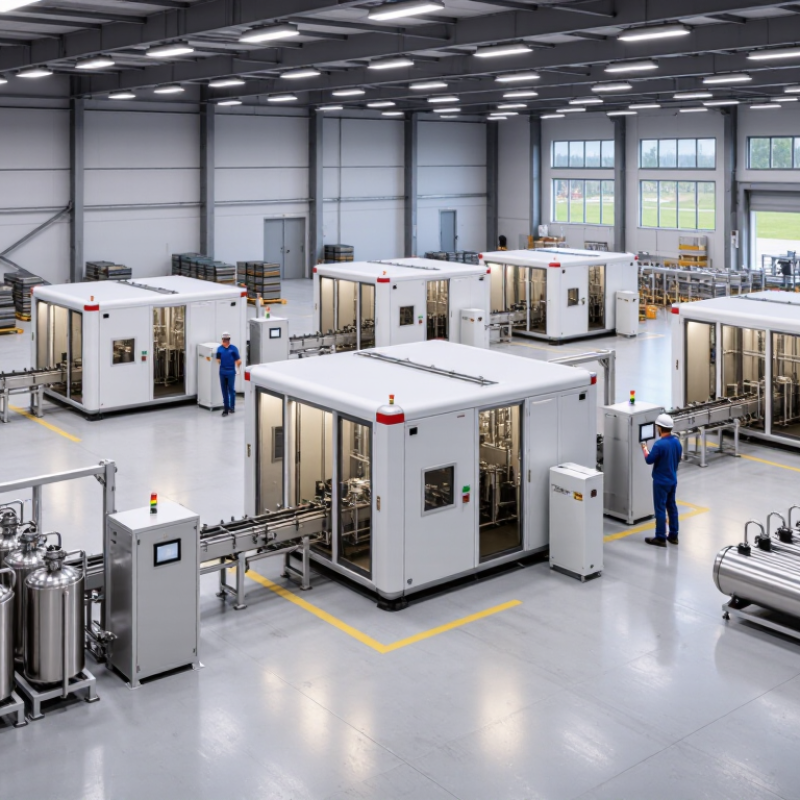
Top 10 Plug and Play Processing Equipment Suppliers?

What Plug-and-Play Processing Equipment Includes

Plug-and-play processing equipment is supplied as a preassembled, tested system that needs limited site integration. A typical package may include a stainless-steel process vessel, pumps, valves, instruments, control panel, and connecting pipework. Depending on the application, it can also include heating or cooling, filtration, dosing, and clean-in-place connections. The skid arrives with defined utility and connection points, helping teams plan installation around real floor layouts and pipe routes. Scope varies, though; “plug and play” is not a universal technical standard. Ask for a clear list of what is included and excluded.

Deloitte and MAPI’s 2019 Smart Factory study reported that 86% of manufacturers expected smart-factory initiatives to drive competitiveness within five years. That context makes controls and data access important parts of equipment selection, not decorative extras. A useful package should document sensor signals, alarms, operating limits, and commissioning checks. Small details matter.

Tips: Confirm the required power, water, drainage, and network connections before delivery. Request piping and instrumentation diagrams, test records, and a witnessed run using your product or a suitable test medium. Check access for cleaning and maintenance, too. A compact skid can still be awkward to service.

How to Evaluate Plug-and-Play Equipment Suppliers

Plug-and-play equipment can reduce installation time, but the label is not a performance guarantee. Compare each supplier’s proposal with your product, target output, and available floor space. Ask for a process-flow diagram showing where materials enter, how they move, and what leaves the line. Check dimensions, power, air, water, drainage, and data connections against your site conditions. Small details matter.

Request evidence from a test using material similar to yours. Review measured throughput, changeover time, and product quality—not just a polished demonstration. Ask what “ready to run” includes: delivery, setup, operator training, and commissioning support. Clarify which connections or adjustments your team must handle. A clear boundary prevents awkward surprises later. Ask for sample acceptance criteria in writing.

Evaluate the controls and interfaces, too. Can operators understand alarms without searching through a thick manual? Are recipes, safety interlocks, and maintenance instructions documented? Confirm spare-part availability and typical service response times, preferably in writing. A supplier’s reference sites can help, but ask about installations with similar products and operating schedules. It is easy to overvalue a low purchase price. Yet a rushed setup, unclear documentation, or unavailable parts may cost more over time. No checklist removes every risk; leave room for a site review before committing.

Ten Suppliers and Their Core Equipment Offerings

A useful shortlist of plug-and-play processing equipment suppliers covers ten specialties. Modular skid builders package several process steps on a compact frame. Tank and mixer suppliers provide vessels with agitators, jackets, and access ports. Filtration specialists offer bag, cartridge, or membrane units. Heat-transfer suppliers build exchangers for controlled warming and cooling. Pump suppliers size equipment for flow, pressure, and product viscosity.

Other specialists supply metering and dosing systems, conveyors and feeders, control panels with sensors, clean-in-place units, and filling or packaging equipment. Their core offerings differ, even when several systems arrive preassembled. Ask for utility requirements, connection drawings, and commissioning support before comparing quotes. “Plug-and-play” can still mean extra site work. Cable lengths, drain locations, and control interfaces are easy to overlook.

Tips: Request a layout drawing and a written list of excluded items. Check that materials, operating ranges, and cleaning methods suit your process. A quick video call around the skid can reveal awkward valve access or crowded gauges. Not every supplier gets the handover details right. Look closely.

How Supplier Capabilities Compare

A plug-and-play processing line can look simple in a supplier’s brochure. The real comparison starts with what arrives ready to run. Check whether the package includes pumps, piping, controls, safety guards, and clear connection points. Ask for a utility schedule showing power, water, air, and drainage needs. Small omissions can delay installation.

Engineering depth varies. Some suppliers adapt standard modules to a stated throughput; others provide process calculations, layout drawings, and integration support. Request a sample equipment list and a realistic commissioning plan. Who checks the connections on site? Who trains operators? Those answers matter as much as quoted capacity. Fast delivery is useful, but only if the line suits the material and operating conditions.

Controls and after-sales support also separate suppliers. Compare alarm histories, recipe handling, data access, spare-parts lead times, and remote troubleshooting options. Ask how changes are documented and tested. A polished interface is not proof of easy maintenance. That is easy to overlook. References from similar applications can reveal whether promised performance held after startup. Still, one reference is not a guarantee; product variation, utilities, and operator habits can change results. Request assumptions in writing, then review them with the people who will run and maintain the equipment.

Industries and Applications Served by These Suppliers

Plug-and-play processing equipment serves food and beverage, pharmaceuticals, biotechnology, specialty chemicals, cosmetics, and industrial water treatment. Food plants use modular pasteurizers, blending tanks, hygienic pumps, filtration skids, and clean-in-place systems. These units suit seasonal products and frequent recipe changes. FAO’s 2019 State of Food and Agriculture estimates that 14% of food is lost after harvest and before retail. Better-controlled processing may help reduce avoidable losses, though equipment alone cannot fix weak storage or planning.

In pharmaceutical and biotech facilities, suppliers configure buffer-preparation vessels, sterile transfer paths, filtration, and mixing systems around specific production needs. FDA’s 2019 guidance on continuous manufacturing emphasizes process monitoring and control. Modular skids can simplify integration, but validation remains site-specific. A skid may look ready; piping, operator access, and cleaning procedures still need a hard review.

Packaged filtration and disinfection systems also serve factories that need consistent process water and wastewater handling. WHO and UNICEF’s 2023 Joint Monitoring Programme reports that 2.2 billion people lacked safely managed drinking water in 2022. That figure shows the wider importance of water treatment, not factory demand. Fit still matters. A compact system can save floor space, but poor access for maintenance can quickly erase that benefit.

FAQS

What does “plug-and-play” actually mean?

It usually means equipment arrives preassembled, not that every site connection is ready. Check power, air, water, drainage, and data needs. Small details matter.

What evidence should I request before choosing a supplier?

Ask for a test using material similar to yours. Review measured output, changeover time, and product quality—not just a polished demonstration. A neat demo can still fool me.

Which site details are easiest to overlook?

Compare equipment dimensions with available floor space. Check cable lengths, drain locations, valve access, and utility connections. I’d still want to inspect the layout myself.

What should “ready to run” include?

Get a written list covering delivery, setup, operator training, and commissioning support. Confirm which adjustments your team must handle. Clear boundaries help.

How can I compare supplier proposals fairly?

Match each proposal to your product, target output, operating schedule, and cleaning method. Request a layout drawing and a list of excluded items.

What equipment specialties might a process need?

Options include tanks and mixers, filtration, heat exchangers, pumps, dosing systems, conveyors, control panels, cleaning units, and filling equipment. The right mix depends on the process.

What should I check about controls and service?

See whether operators can understand alarms quickly. Request documented recipes, safety interlocks, maintenance instructions, spare-part availability, and typical service response times.

Which industries use plug-and-play processing equipment?

Applications include food and beverage, pharmaceutical and biotech production, specialty chemicals, cosmetics, and water treatment. A compact skid saves space only when maintenance access remains practical.

Conclusion

This article introduces Plug and Play Processing Equipment as modular systems designed to connect with minimal on-site customization, covering common components such as processing units, controls, pumps, and supporting utilities. It explains how buyers can assess suppliers by looking at equipment compatibility, capacity, automation options, installation support, maintenance requirements, customization flexibility, and total operating costs. These criteria help organizations compare solutions based on practical needs rather than headline specifications alone.

The article also reviews ten supplier profiles and their core equipment offerings without focusing on brand names, highlighting differences in system scope, integration capabilities, service support, and suitability for particular production requirements. It considers how these capabilities apply across industries such as food and beverage, pharmaceuticals, chemicals, cosmetics, and general manufacturing. By connecting supplier strengths with operating conditions and application needs, the overview helps readers identify the types of equipment and support that may best fit a facility.

Alexander

Alexander

Alexander is a seasoned marketing professional whose expertise lies in illuminating the unique value propositions of our company's offerings. With a deep understanding of our products and their impact on our customers, he crafts insightful blog posts that not only keep our audience informed but......