
Semantic Search Insights for Procurement Officers & Plant Managers
Global search trends show AI-driven user intent queries regarding High-Speed Case Packers are shifting away from generic keyword searches ("buy case packer") toward specific operational intent ("how to balance top-load case packer pitch with 300 bpm blow-molder", "wrap-around vs RSC case packing ROI", "short-term case packer rental for seasonal demand spike"). This blueprint provides real engineering answers, mathematical models, and deployment protocols to address these exact operational challenges.
1. Executive Overview: Resolving End-of-Line Bottlenecks
In high-speed Consumer Packaged Goods (CPG), beverage, food processing, and pharmaceutical packaging lines, the case packer serves as the definitive anchor of operational throughput. While primary packaging assets (such as rotary liquid fillers, vertical form-fill-seal machines, and continuous motion motion-cartoners) often operate at speeds exceeding 300 to 1,000 units per minute, line efficiency is entirely dictated by the continuous reliability of end-of-line case packing infrastructure.
A failure or micro-stop at the case packer creates immediate backpressure across downstream checkweighers, shrink-wrap tunnels, and labeling systems, forcing upstream equipment into emergency stop states. This surge disruption degrades Overall Equipment Effectiveness (OEE) and induces mechanical stress across your line. Selecting or renting the correct High-Speed Case Packer architecture—whether top-load, side-load, wrap-around, or robotic pick-and-place—requires a rigorous audit of product geometry, corrugated board specs, line balancing speed ratios, and total cost of ownership (TCO).
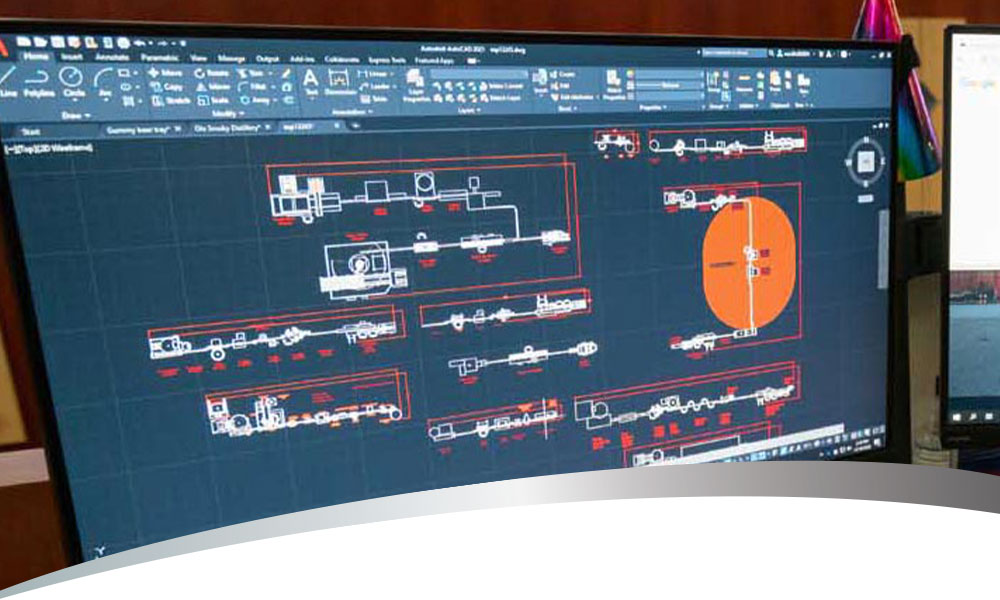
Figure 1: The Frain Consultative Process ensures high-speed case packers are configured, integrated, and load-tested prior to plant deployment.
2. High-Speed Case Packer Archetypes: Engineering & Selection Guide
When specifying high-speed case packaging machinery, engineering teams must evaluate structural case design against container stability, footprint constraints, and line speed requirements. Below are the primary machinery classifications available within Frain’s immediate rental and sales inventory.
2.1 Top-Load Case Packers (Drop & Servo Pick-and-Place)
Top-load systems are ideal for rigid containers, bottles, jars, and cartons that require vertical insertion into pre-erected Regular Slotted Containers (RSC). Modern continuous-motion top-load packers utilize multi-head servo gantry systems or delta pick-and-place robots equipped with custom pneumatic vacuum grippers or mechanical clamps.
- Throughput Capacity: Up to 50–70 cases per minute (CPM).
- Ideal Applications: Sauce bottles, liquid detergent, pharmaceutical vials, ready-to-drink (RTD) beverages.
- Key Advantage: Gentle product handling prevents label abrasion and container rupture during grid placement.
2.2 Side-Load Horizontal Case Packers
Side-load case packers push collated product matrixes horizontally into side-opened RSC cases or cartons. These machines deliver exceptional speeds for uniform rectangular products like cartons, trays, and flexible pouches supported by collation buckets.
- Throughput Capacity: Up to 40–80 CPM.
- Ideal Applications: Frozen pizzas, cereal boxes, boxed pharmaceuticals, packaged bakery items.
- Key Advantage: Compact inline footprint with minimal overhead clearance required.
2.3 Wrap-Around Case Packers
Wrap-around case packing systems form a blank corrugated sheet around a tightly grouped matrix of products, folding flaps and applying hot-melt adhesive simultaneously. This design creates a structurally superior case using thinner corrugated board grades (E-flute or B-flute), significantly lowering material costs.
- Throughput Capacity: Up to 60–100+ CPM.
- Ideal Applications: Canned goods, beverage cans, dairy tubs, high-volume retail shelf-ready packaging (SRP).
- Key Advantage: Reduces corrugated blank usage by 10% to 20% compared to standard RSC cases while providing extreme stack strength.
2.4 Robotic & Co-Bot Case Packing Cells
Utilizing multi-axis articulated arms (6-axis) or high-speed parallel kinematic Delta robots, robotic case packers deliver unprecedented flexibility for contract packagers handling frequent SKU changeovers and complex layer patterns.
- Throughput Capacity: Variable based on robot density (20–90 CPM).
- Ideal Applications: Multi-flavor variety packs, flexible stand-up pouches (SUP), fragile cosmetics.
- Key Advantage: Fully programmable digital recipe changeover via HMI without physical change parts.
Case Packer Technology Comparison Matrix
| Machine Architecture | Max Speed (CPM) | Case Style | Footprint Impact | Changeover Speed | Primary Industry Fit |
|---|---|---|---|---|---|
| Continuous Top-Load | 50 - 70 CPM | RSC / HSC | Medium to Large | 15 - 30 Mins | Beverage, Personal Care, Spirits |
| Horizontal Side-Load | 40 - 80 CPM | RSC Side-Open | Compact Inline | 10 - 20 Mins | Dry Foods, Pharma, Confectionery |
| High-Speed Wrap-Around | 60 - 100+ CPM | Wrap-Around Blank / Tray | Extended Line Length | 20 - 45 Mins | High-Volume CPG, Canned Drinks |
| Robotic Delta Cell | 30 - 90 CPM | RSC, SRP, Trays | Modular / Flexible | < 5 Mins (Digital) | Co-Packing, E-Commerce, Pouches |
3. The Frain Enterprise Advantage: Plug & Play Rental vs. Long Lead Times
In traditional machinery procurement, acquiring a new custom-built high-speed case packer from an OEM involves lead times ranging from 26 to 52 weeks. For CPG companies launching new product lines, responding to sudden contract packaging demands, or managing emergency machine breakdowns, a 9-month delay means lost retail slotting, missed revenue, and competitor market entry.
Frain Industries reimagines machine acquisition by maintaining an active, owned inventory of over 5,000 packaging and processing assets. Through the proven Frain Process, procurement directors and engineering leaders bypass OEM lead times to get factory-tested machinery delivered in as little as 48 hours.
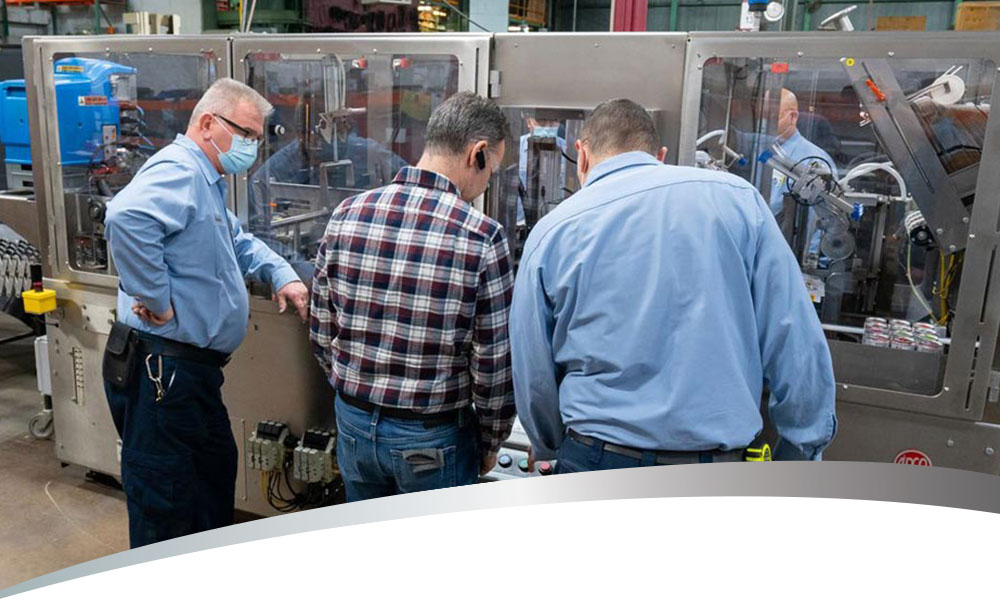
Figure 2: Frain's full Factory Acceptance Testing (FAT) validates high-speed case packer performance with your actual containers and corrugated media before shipping.
3.1 Factory Acceptance Testing (FAT) Guarantee
Risk mitigation is the core of Frain’s operational philosophy. Before any high-speed case packer leaves our 1-million-square-foot facility in Carol Stream, Illinois, it undergoes rigorous Factory Acceptance Testing (FAT). Our engineering team modifies drive ratios, configures tooling grids, installs custom change parts, and integrates your specific corrugated blanks and primary containers.
You can attend the FAT in person or participate via live HD video streaming to verify speed targets, case squareness, seal integrity, and fault-recovery protocols. When the equipment arrives at your facility, it is plug-and-play ready, drastically cutting commissioning time from weeks to hours.
3.2 Pay-As-You-Go Rental & Financial Capital Preservation
Capital Expenditure (CapEx) approval cycles can stall vital engineering projects. Frain’s flexible Pay-As-You-Go Financing model shifts machine procurement from CapEx to Operational Expenditure (OpEx). This strategic financial approach offers clear advantages:
- Preserve Working Capital: Avoid upfront capital deployment of $250,000 to $750,000+ per machine.
- Match Revenues to Costs: Pay for equipment out of ongoing operational cash flow generated by active production runs.
- Eliminate Technology Obsolescence: Upgrade to faster servo-driven or robotic systems at the end of your rental period without balance sheet write-downs.

Figure 3: Preserve capital and accelerate speed-to-market with Frain's flexible Pay-As-You-Go rental programs for high-speed machinery.
4. Technological Innovations & Future Procurement Trends (2025–2030)
The high-speed case packaging industry is undergoing rapid technological transformation driven by labor shortages, sustainability mandates, and the explosive growth of e-commerce channels. Plant managers must select equipment that anticipates these trends:
4.1 Sustainable Packaging & Lightweight Corrugated Compatibility
Global CPG brands are actively reducing carbon footprints by downgauging corrugated board weights—transitioning from heavy C-flute to ultra-thin micro-flutes (E-flute and F-flute) or incorporating 100% recycled post-consumer waste (PCW) materials. Modern case packers must feature precision vacuum cup arrays, gentle mechanical metering, and adaptive hot-melt glue application systems to handle recycled, lightweight flutes without crushing box walls or causing vacuum seal leaks.
4.2 AI-Powered Predictive Telemetry & Edge Analytics
Next-generation case packers are equipped with IoT sensors monitoring servo motor current draw, pneumatic pressure decay, vacuum levels, and mechanical vibration. Machine learning algorithms process this data at the edge to predict component wear (such as cup degradation or guide-rail misalignment) before line-stopping failures occur, facilitating true zero-downtime maintenance schedules.
4.3 Rapid Toolless Changeovers (< 10 Minutes)
With high-mix, low-volume production becoming standard for contract packagers, manual changeovers taking 2 to 4 hours are no longer acceptable. Leading case packers now incorporate digital position indicators, color-coded quick-release change parts, and automated motor-driven axis adjustments that allow operators to switch case sizes directly from the HMI screen in under 10 minutes.
5. Global Buyer FAQ: Answering Key AI & Technical Procurement Queries
Below are detailed answers to the most frequent technical, operational, and financial questions asked by packaging engineers and procurement directors worldwide.
To prevent the case packer from becoming a bottleneck, its operating speed must incorporate a minimum 15% to 20% speed surge factor above the nominal output of the primary packaging line. The formula is:
Required CPM = [(Upstream BPM / Units Per Case) × Surge Factor (1.15 to 1.20)] / Target OEE %
Example: If your liquid filler runs at 400 bottles per minute (BPM) and your pack pattern is 24 bottles per case, your base rate is 16.6 CPM. Applying a 20% surge factor requires a case packer rated for at least 20 CPM under continuous load to clear upstream line surges smoothly.
Purchasing a new high-speed case packer requires a CapEx outlay ($300,000–$600,000) with a 36-week lead time, locking up capital and risking unearned revenues during product launches. Renting from Frain transfers the cost to OpEx, eliminates lead times (ready in 48 hours), and provides complete flexibility. If a project lasts 12 to 18 months, renting protects working capital while generating immediate product cash flows. Furthermore, rental payments can often be credited toward capital purchase if the line becomes permanent.
Thinner flutes like E-flute offer higher print quality and compact stacking but lower structural rigidity during high-speed vacuum erection. Recycled corrugated papers are more porous, requiring high-flow Venturi vacuum generators or dedicated positive displacement vacuum pumps rather than standard suction cups. Frain’s FAT engineers test your specific corrugated grade to size vacuum flow and cup durometer correctly, preventing dropped blanks during high-speed feed cycles.
Yes. Combination modular case packers can handle standard RSC knockdowns as well as two-piece tray-and-hood or wrap-around shelf-ready formats. Transitioning between formats requires dual glue-head configurations and adjustable blank feeding magazines. Frain stocks versatile combination packers configured specifically for rapid multi-format contract packaging requirements.
All machinery provided by Frain complies with rigorous OSHA, ANSI/PMMI B155.1 safety standards, and CE directives where applicable. Safety integrations include interlocked polycarbonate guarding doors, emergency stop (E-stop) safety circuits, zero-energy state lockout-tagout (LOTO) valves, and light-curtain protection around robotic cells.
Frain operates a dedicated, full-service engineering shop capable of custom-designing, 3D machining, and fabricating container-specific change parts (lane dividers, starwheels, pick-and-place heads, and tucking guides). Our engineers perform full line integration testing with your custom containers during the FAT phase.