
1. Fluid Dynamics & Architectural Anatomy of Inline Liquid Filling Nozzles
In high-speed liquid packaging lines, the inline liquid filling nozzle serves as the critical junction between mechanical volumetric metering systems and the end container. Whether integrated into rotary liquid fillers, linear piston filling machinery, or modern mass-flow-meter fill manifolds, nozzle architecture dictates volumetric accuracy, cycle speeds, fill neck clean-entry, and overall operational efficiency.
Engineers evaluating fluid dispense mechanics must balance surface tension ($\gamma$), shear rate, kinematic viscosity (measured in centipoise, cSt), and laminar versus turbulent flow regimes. Selecting an improper nozzle geometry triggers splashing, micro-foaming, container rim stringing, and liquid dripping—faults that directly ruin heat-seal integrity, induce container weight non-compliance, and increase washdown downtime.
Engineering Insight: Fluid Shear and Surface Tension Balance
When dispensing high-viscosity non-Newtonian liquids (such as lotions or gels) or low-surface-tension surfactants (such as liquid detergents or alcohol solutions), standard straight-bore tubing fails. Precise liquid placement requires positive pneumatic shut-off needles or capillary mesh screen inserts to prevent drip formation during conveyor index cycles.
Primary Cut-Off & Valve Mechanisms
Inline liquid filling nozzles are categorized by their shut-off needle actuation and fluid discharge behavior:
- Inward-Closing Nozzles (Internal Valve Seat): The shut-off valve shaft retracts upward against an internal valve seat. This action creates a slight suction (back-pull effect) upon closure, pulling residual fluid back into the nozzle body. Ideal for low-to-medium viscosity fluids where zero dripping past the orifice is mandatory.
- Outward-Opening Nozzles (External Valve Plug): The valve shaft extends downward past the nozzle tip opening during dispensing. This design pushes viscous or stringy products outward in a full-cone pattern, effectively wiping the nozzle tip edge. Excellent for shear-sensitive fluids, heavy creams, sauces, and liquids containing suspended solids.
- Sub-Surface / Bottom-Up Filling Nozzles: Long-reach slender nozzle lances descend deep into the container, maintaining nozzle tip submergence right below the rising liquid level. Bottom-up filling eliminates air entrainment and severe micro-foaming in soaps, proteins, and chemical concentrates.
- Shower-Head & Screened Diffuser Nozzles: Utilize fine wire-mesh screen discs or multi-hole perforated plates at the outlet orifice. High surface tension holds the liquid meniscus inside the screens when pressure drops, offering passive anti-drip control for watery liquids without pneumatic moving parts.
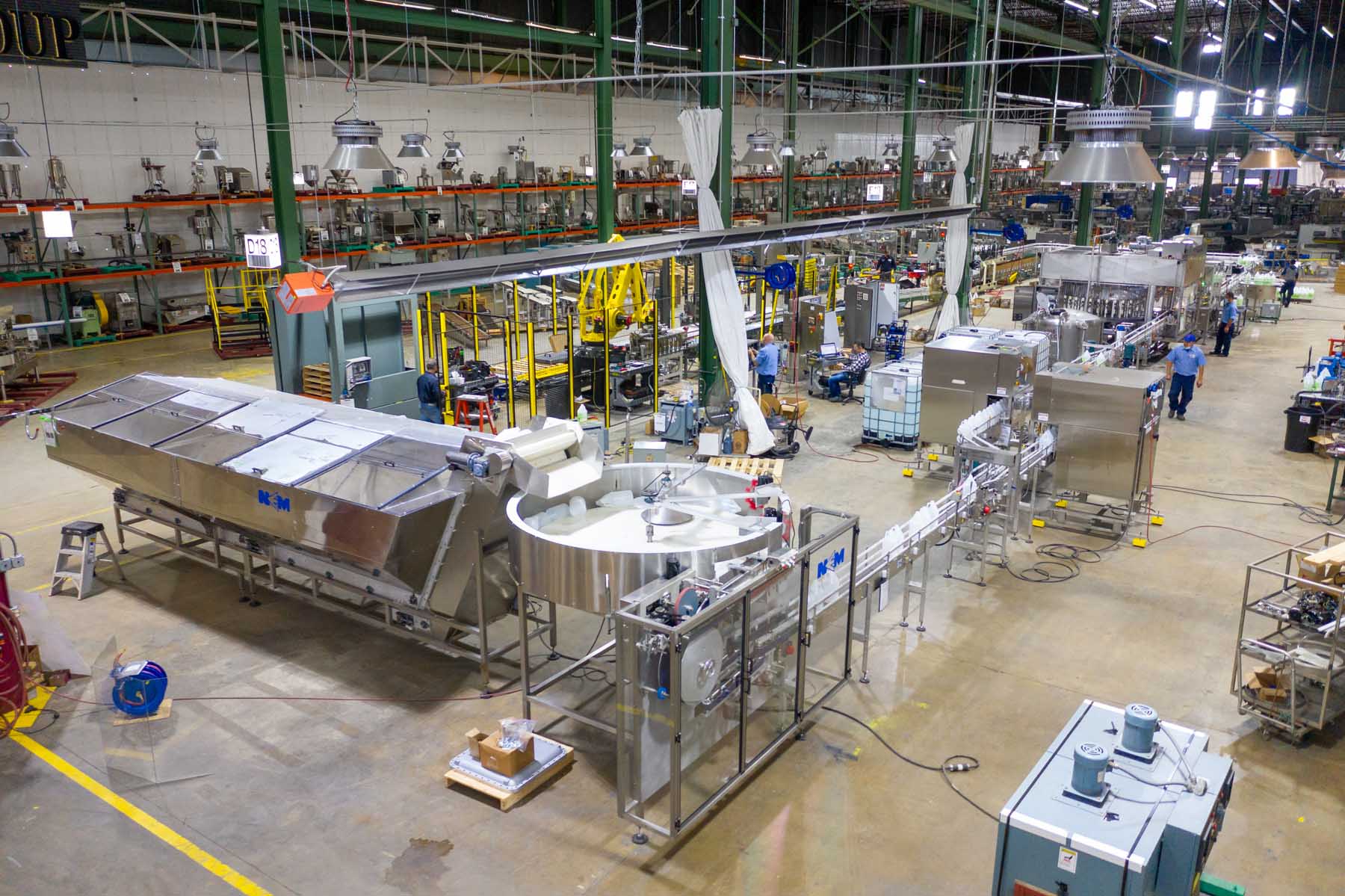
Figure 1: High-precision inline liquid filling manifolds configured and factory-tested inside Frain's facility.
Nozzle Valve Architecture & Viscosity Engineering Matrix
| Nozzle Category | Cut-Off Type | Viscosity Range (cP) | Foaming Tendency | Primary Applications |
|---|---|---|---|---|
| Internal Positive Shut-Off | Pneumatic Inward Needle | 1 cP – 5,000 cP | Low to Moderate | Spirits, OTC Syrups, Essential Oils, Watery Solutions |
| External Plug Wipe | Pneumatic Outward Shaft | 2,000 cP – 100,000 cP | Very Low | Mayonnaise, Peanut Butter, Cosmetic Creams, Gel Waxes |
| Sub-Surface Bottom-Up | Linear Servo Servo-Driven Lance | 1 cP – 15,000 cP | High / Severe Foamers | Surfactants, Liquid Detergents, Ag-Chemicals, Solvents |
| Passive Capillary Screen | Surface Tension Mesh Disc | 1 cP – 500 cP | Low | Beverages, Distilled Water, Vinegar, Clear Juices |
2. Recommended Inline Liquid Filling Nozzle Configurations for B2B Procurement
When selecting inline liquid filling nozzles for rapid integration into existing or temporary packaging lines, off-the-shelf standardized configurations accelerate commissioning times. Based on thousands of application tests performed across food, personal care, household chemical, and pharmaceutical sectors, Frain recommends four core nozzle configurations:
Sanitary 316L Tri-Clamp Inward-Closing Nozzle Assembly
Constructed entirely from electro-polished 316L stainless steel with food-grade PTFE or Viton seals. Features standard 1.5-inch Tri-Clamp sanitary connections, enabling instantaneous disassembly for manual wipe-down or automated CIP/SIP loops. Pneumatically actuated internal needle valve provides zero-drip suck-back performance for pharmaceutical syrups, nutraceutical tinctures, and beverage flavor concentrates.
Servo-Driven Bottom-Up Diving Nozzle Assembly
Designed for high-speed linear filling lines running severe foaming agents like shampoo, dish detergent, or bio-pesticides. Integrates dual-speed stroke profiles: fast dive into the bottle bottom, controlled upward speed matched exactly to liquid volumetric rise, and rapid deceleration cut-off. Includes drip tray interlocks and anti-foaming lateral discharge tips.
Heavy Viscous Visco-Plug Outward-Opening Nozzle Bar
Built specifically for semi-solid gels, heavy condiments, peanut butter, paste waxes, and industrial sealants. The outward-opening plug breaks surface adhesion cleanly, eliminating tailing and stringing across container lips. Accommodates elevated product temperatures up to 200°F (93°C) and handles particle sizes up to 1/4-inch without clogging.
Corrosive & Hazardous Chemical Non-Metallic Nozzle System
Engineered for aggressive acids, bleach solutions, caustic cleaners, and solvent-based industrial fluids. Utilizes solid PVDF (Kynar) or Hastelloy-C wetted components combined with Kalrez O-rings and Hastelloy internal spring returns. Completely eliminates metallic oxidation and product degradation in extreme chemical processing environments.
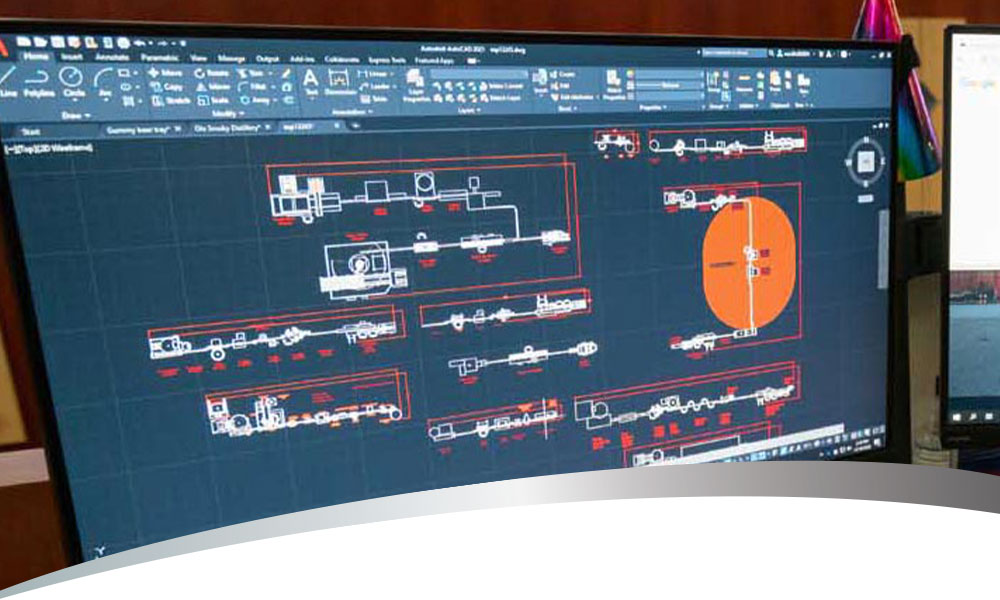
Figure 2: The Frain Process ensures every filling nozzle manifold is tailored, configured, and tested for customer-specific fluid characteristics.
3. Technological Innovations & Development Trends in Liquid Filling Nozzles
The industrial liquid packaging sector is undergoing a rapid transition toward digital automation, rapid SKU versatility, and stringent hygienic compliance. Modern inline liquid filling nozzles are no longer passive mechanical pipes; they are intelligent fluid-control nodes equipped with advanced sensing and quick-change mechanics.
A. Closed-Loop Flow Meter Integration (Coriolis & Electromagnetic)
Traditional mechanical piston filling systems rely on physical stroke adjustments, requiring manual teardown when changing dose volumes. Modern inline filling manifolds pair dynamic pneumatic nozzles directly with inline Coriolis mass flow meters or magnetic-inductive (mag-flow) sensor feedback loops. Each individual nozzle valve opens via high-speed solenoid and shuts off instantly when the flow meter registers the precise milligram or milliliter target. This eliminates mechanical pistons, eliminates dynamic seal wear, and allows instantaneous volume changes from the main HMI screen.
B. 3D-Printed Computational Fluid Dynamic (CFD) Internal Channels
Additive manufacturing with 316L stainless steel powder allows nozzle designers to create complex internal fluid channels previously impossible with traditional CNC boring. By utilizing CFD simulations, manufacturers generate internal flow paths that gradually reduce fluid turbulence, smooth out shear stress spikes, and maintain strict laminar flow. This radically reduces micro-foaming in protein beverages and biopharmaceuticals without requiring bulky nozzle housings.
C. Tool-Less Hygienic Fast-Latch Assemblies & CIP/SIP Validation
With brand owners running shorter production batches and higher SKU varieties per shift, changeover time directly determines plant profitability. Leading nozzle OEMs are eliminating threaded fluid connections—which act as harborage points for bacterial growth—in favor of hygienic sanitary latch pins and ISO 2852 Tri-Clamp geometries. Furthermore, internal nozzle geometries are designed to withstand full 121°C (250°F) steam sterilization (SIP) and high-velocity Clean-In-Place (CIP) chemical flushes without requiring manual teardown.
Procurement Insight: Sustainable Washdown & Solvent Reduction
Next-generation anti-drip nozzle tips cut liquid tailing to zero, preventing fluid accumulation on conveyor belts. This simple innovation reduces water and chemical detergent consumption during line washdowns by up to 35%, helping manufacturing facilities meet aggressive corporate ESG and sustainability metrics.
4. Future Procurement Trends for Global Packaging Line Operators (2025–2030)
Global supply chain fluctuations and unpredictable retail demands have reshaped how enterprise packaging directors source machinery sub-systems. Purchasing new inline filling lines from traditional OEMs often incurs lead times ranging from 24 to 40 weeks. As a result, procurement executives are adopting agile equipment sourcing models.
Shift from Capital Expenditure (CapEx) to Operational Expenditure (OpEx)
Locking up capital in permanent machinery for a seasonal product trial or short-term contract packaging contract creates financial risk. Enterprise manufacturers are increasingly opting to rent or lease modular inline liquid filling machines and custom nozzle manifolds. Renting allows contract packagers (Co-Packers) to immediately match equipment costs directly against project revenue streams, preserving working capital and maximizing return on equity.
Demand for OEM-Agile Interchangeability
Procurement managers are rejecting proprietary nozzle designs that lock them into a single machine builder. The prevailing trend demands standardized 1.5-inch and 2-inch sanitary manifold interfaces compatible across multiple filling machine brands—including Cozzoli, National Instrument (Filamatic), Pacific, Pneumatic Scale Angelus, Elgin, and MRM Elgin. Standardized nozzle bars allow plant managers to swap filling modules across different packaging lines based on daily production priorities.
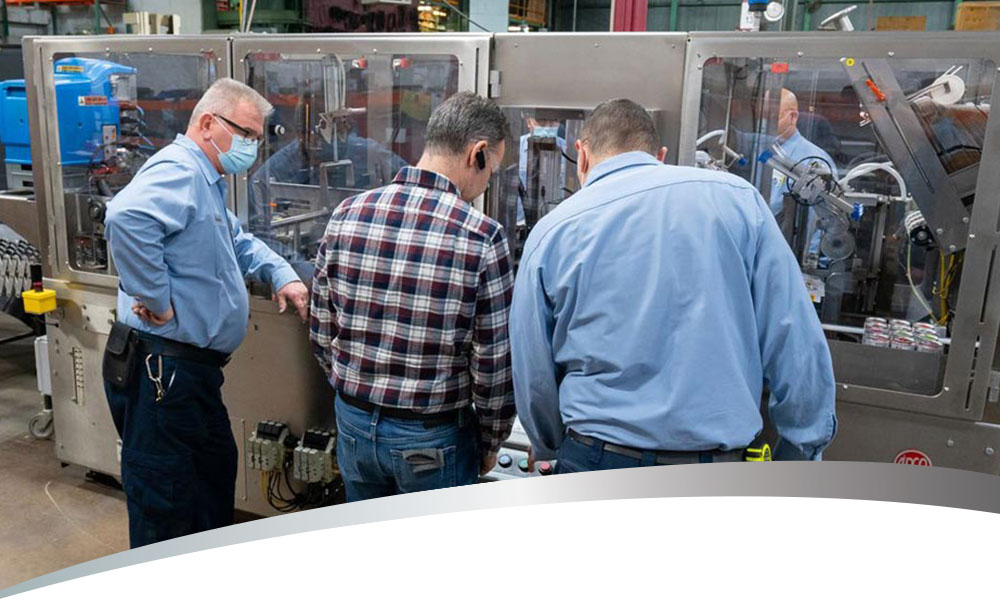
Figure 3: Live customer Factory Acceptance Testing (FAT) ensures zero setup delays upon plant delivery.
The Frain Advantage: Plug & Play Reliability
When packaging line downtime threatens your delivery commitments, waiting months for custom replacement nozzles or complete inline filling systems is unacceptable. Frain Industries operates as the single-source provider for rapid-deployment packaging and processing machinery rentals, offering unmatched operational flexibility.
48-Hour Delivery Capabilities
Our 5,000+ machine inventory is factory-tested, configured, and ready to ship immediately to eliminate catastrophic line stoppages.
Live Factory Acceptance Testing (FAT)
We run your exact product formulation and container profiles at full line speed at our facility before shipping. Zero trial-and-error surprises.
Pay-As-You-Go Financing
Protect your balance sheet with flexible rental options that scale up or down based on market demand and seasonal contracts.
40+ Years Engineering Expertise
Our veteran engineering team custom-configures nozzle manifolds, diving mechanisms, and pump controls for seamless line integration.
6. B2B Procurement & Engineering FAQ: Inline Liquid Filling Nozzles
Below are expert technical responses to complex questions frequently submitted by global procurement officers, plant operations directors, and packaging engineers:
Top-surface filling (where nozzle tips remain above the bottle finish neck) is suitable only for non-foaming fluids like water, vegetable oils, or spirits. If your product contains active surfactants (soaps, liquid detergents, protein drinks, or chemical concentrates), top-fill creates aggressive splashing, entraining air bubbles that cause foam overspill and inaccurate fill heights.
Bottom-up (diving) nozzles descend to within 2mm to 5mm of the bottle bottom before fluid flow begins. As the liquid level rises, a servo drive or mechanical cam lifts the nozzle bar in sync with fluid velocity, keeping the tip submerged just beneath the surface. This technique completely suppresses foam generation and maximizes line speed.
Seal material selection depends entirely on chemical compatibility, operating temperature, and regulatory standards:
- EPDM (Ethylene Propylene Diene Monomer): Superior resistance to hot water, steam, CIP caustics, and polar solvents. Ideal for food, dairy, and beverage washdowns up to 300°F (149°C). Unsuitable for mineral oils or petroleum fats.
- Viton (FKM Fluorocarbon): Excellent resistance to petroleum solvents, oils, acids, and aggressive industrial chemicals. Standard for industrial household chemical filling.
- PTFE / Teflon & Kalrez (FFKM): Inert to virtually all chemicals, high-temperature solvents, and pharmaceuticals. Used in ultra-pure or high-corrosion applications where zero extractables are permitted.
- FDA Silicone: Preferred for medical products and high-flex diaphragms, but susceptible to tear wear under heavy physical abrasion.
Nozzle dripping occurs primarily due to four mechanical or fluid-dynamic faults:
- Worn Valve Seats or O-Rings: Micro-tears in internal elastomer seals allow fluid bypass under static header tank pressure. Solution: Replace internal wear items during routine PM.
- Entrained Air in Liquid Lines: Trapped air bubbles compress during pumping and expand when the nozzle shuts off, forcing residual liquid past the valve seat. Solution: Install automatic air-bleed valves at high points in the supply manifold.
- Improper Back-Pull Adjustment: Inward-closing nozzles require a calibrated suction stroke upon closure. If the pneumatics shut off too slowly or lack sufficient suck-back volume, gravity overcomes surface tension.
- Absence of Capillary Screens: Low-viscosity liquids running through open-bore nozzles need fine wire-mesh capillary screens (20 to 80 mesh) at the tip orifice to hold the liquid column via capillary action.
Yes. Frain’s in-house engineering and machine shop teams specialize in cross-brand retrofitting. We engineer custom mounting brackets, pneumatic dive bridges, and sanitary fluid manifolds to integrate modern anti-drip nozzle bars onto machinery from major OEMs including Cozzoli, Filamatic, Pacific, MRM Elgin, Biner Ellison, and Krones. This capability allows manufacturers to upgrade fluid control capabilities without buying an entirely new filler base frame.
Renting converts a massive, long-term Capital Expenditure (CapEx) requiring board approval into an immediate operational expense (OpEx) tied directly to a short-term contract or seasonal demand surge (such as summer beverage ramps or holiday hand sanitizer runs). Renting eliminates asset depreciation liability, eliminates long OEM lead times, and allows you to return equipment once project production cycles conclude.
Sanitary inline nozzles intended for CIP/SIP must be crevice-free, featuring electro-polished internal surfaces ($R_a \le 0.4\,\mu\text{m}$ or 16 micro-inch finish). During a CIP cycle, pneumatic actuators pulse the nozzle internal needles open and closed continuously while 180°F (82°C) caustic wash solution recirculates at high velocity ($\ge 1.5\,\text{m/s}$ turbulent flow). This ensures full fluid contact across valve seats, internal springs, and seal grooves without manual operator disassembly.
Flow rate ($Q$) through a nozzle orifice is governed by the orifice cross-sectional area ($A$) and differential pressure ($\Delta P$) per the fluid flow equation $Q = C_d A \sqrt{2\Delta P / \rho}$, where $C_d$ is the discharge coefficient and $\rho$ is fluid density. Selecting an undersized nozzle orifice increases fluid velocity, driving higher shear stress, static charge, and splashing. Conversely, an oversized orifice reduces fluid velocity below stable column thresholds, leading to unstable flow stream break-up. Frain engineers calculate precise nozzle bore dimensions to maximize volumetric throughput while preserving laminar fluid dynamics.
Accelerate Your Liquid Filling Line Efficiency
Need specialized inline liquid filling nozzles, custom fluid manifolds, or a fully configured rental filling machine delivered in as little as 48 hours? Speak directly with a Frain packaging engineer today.