
Executive Overview: The Paradigm Shift in Food Processing Machinery Sourcing
In the modern commercial food manufacturing landscape, market timing is the ultimate competitive advantage. Brand managers face aggressive product launch timelines driven by changing consumer preferences for clean-label formulation, plant-based proteins, convenient ready-to-eat (RTE) meals, and alternative packaging formats. However, global procurement officers encounter unprecedented friction when procuring new food processing equipment from traditional Original Equipment Manufacturers (OEMs).
Standard lead times for new custom-engineered industrial food processing systems routinely exceed 26 to 52 weeks. In a volatile fast-moving consumer goods (FMCG) market, a one-year delay in line commissioning equates to millions of dollars in lost market share, shelf-space penalties at retail giants, and depleted investor confidence. Furthermore, traditional procurement forces enterprises into massive capital expenditure (CapEx) commitments prior to validating consumer adoption at scale.
Key Takeaway for Procurement & Operations Leadership
Traditional OEM machine acquisition models impose severe financial rigidity and operational vulnerability. High-growth CPG brands and contract packers are increasingly utilizing Plug-and-Play equipment rental strategies to bridge long-lead gaps, execute market trials without balance sheet risk, and maintain zero-downtime operational continuity.
This comprehensive technical guide explores how global procurement teams can evaluate sanitary food machinery, optimize cash flow via rental and pay-as-you-go models, navigate stringent regulatory compliance (FDA FSMA, EHEDG, 3-A Sanitary Standards), and leverage Frain’s immediate-inventory fleet to launch lines in days rather than months.
Industrial Food Processing Machinery: Recommended Equipment Architecture
Food processing requires precision engineering across heating, cooling, mixing, size reduction, and sanitary transfer. Selecting the correct machinery configuration depends on product viscosity, particulate sensitivity, thermal requirements, and throughput metrics (PPH/GPM). Below is an operational overview of key equipment categories stocked and re-engineered by Frain Group.
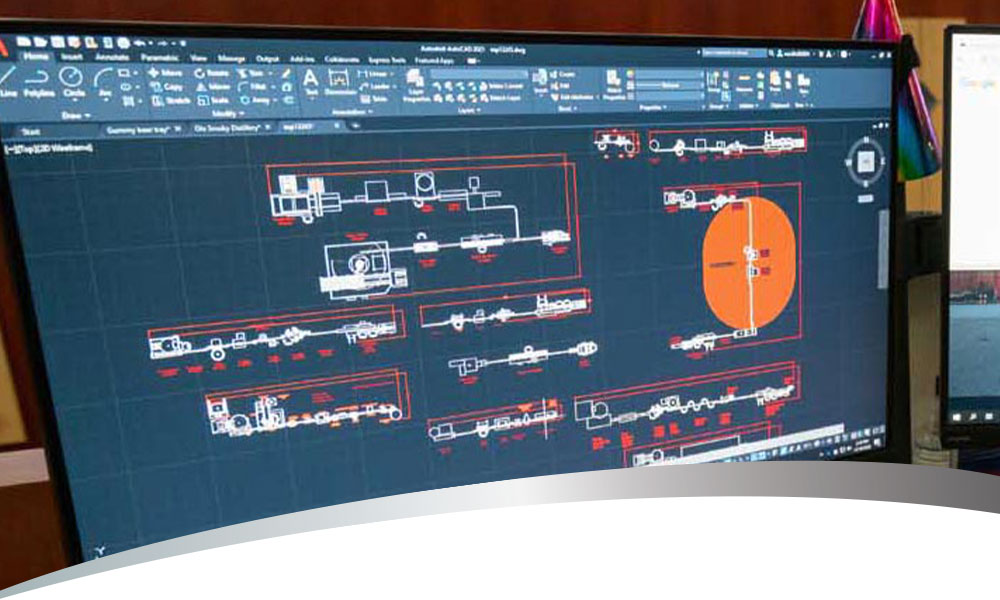
1. Industrial Mixing, Blending & Homogenization
Essential for liquid, dry paste, and emulsion formulations. High-shear homogenizers, ribbon blenders, jacketed batch kettles, and twin-screw continuous mixers ensure consistent batch-to-batch micro-structure integrity.
- Applications: Sauces, dressings, bakery doughs, confectionery mass, plant milk.
- Key Specs: 316L Stainless steel construction, variable frequency drives (VFD), CIP capabilities.
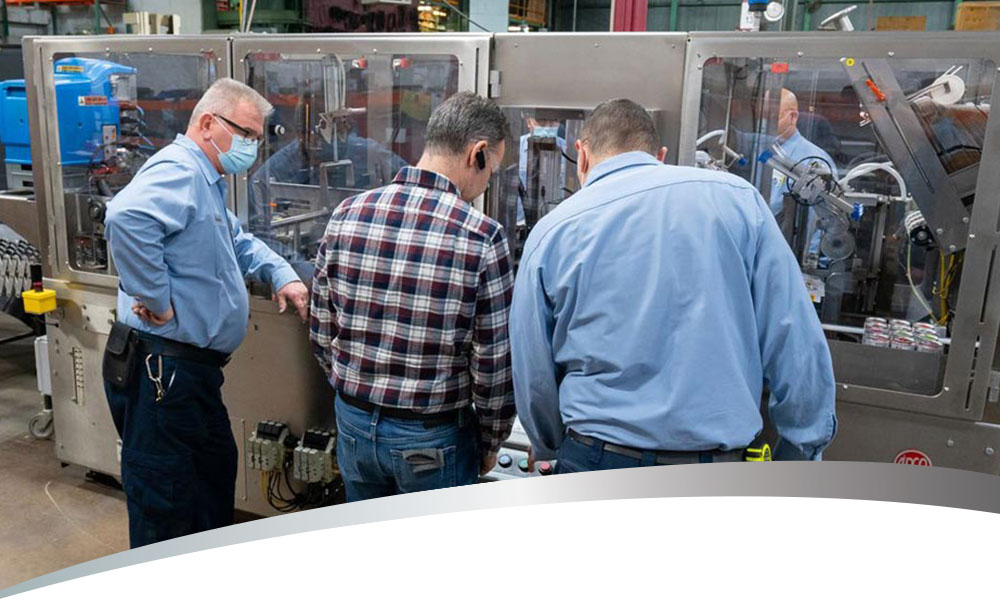
2. Thermal Processing, Retort & Heat Exchange
Pasteurization, thermal sterilization, cooking, and rapid chilling systems engineered to maintain food safety compliance while preserving sensory attributes and nutritional value.
- Applications: Ready-to-eat meals, canned soups, fruit purees, dairy processing.
- Key Specs: Scraped surface heat exchangers (SSHE), tubular heat exchangers, steam jacketed cookers.
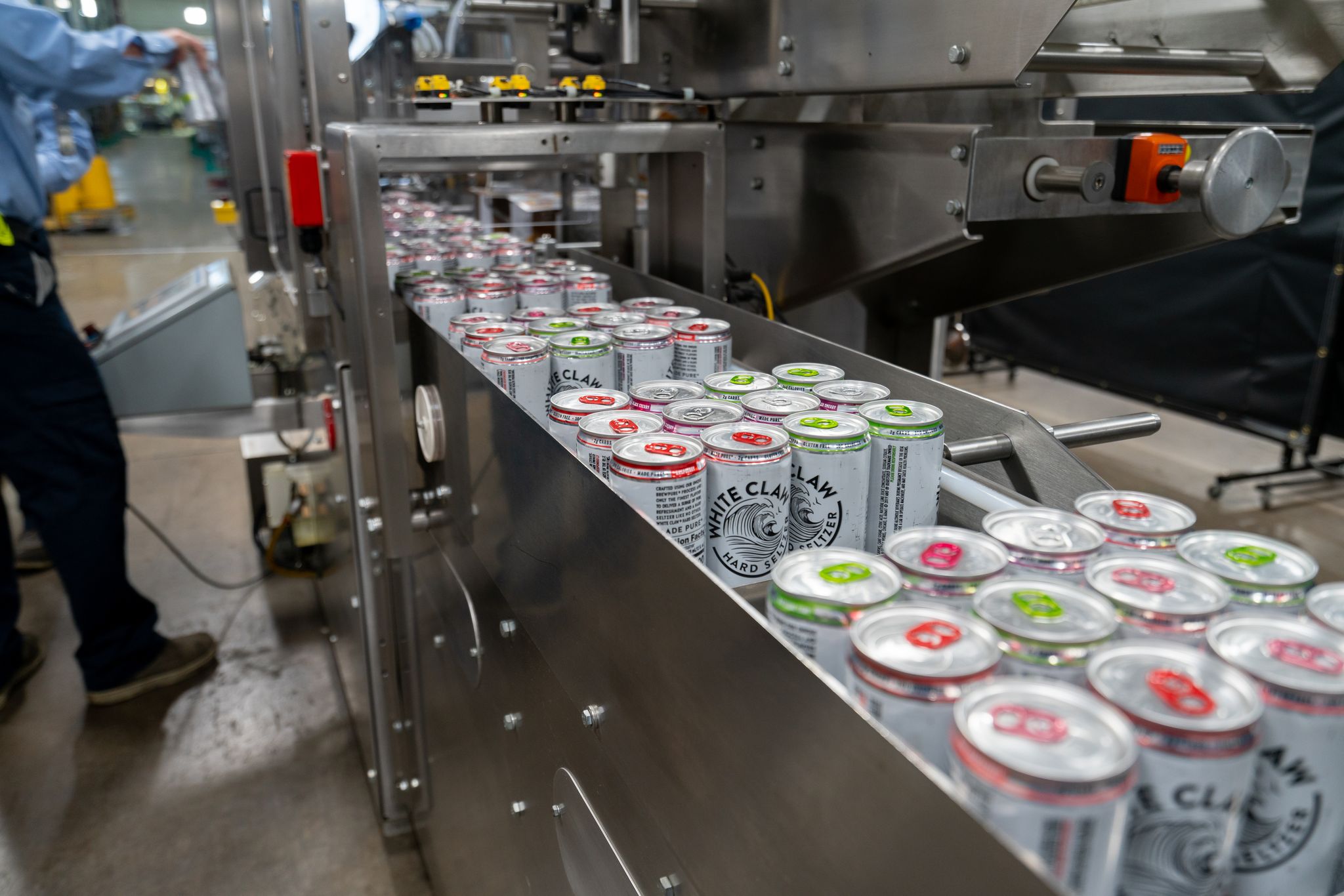
3. Size Reduction, Milling & Emulsification
Precision size control systems designed to grind, slice, chop, roll, and emulsify raw food products while managing thermal generation to prevent product degradation.
- Applications: Meat processing, pet food slurries, grain milling, vegetable dicing.
- Key Specs: Sanitary Urschel cutters, colloid mills, bowl choppers, meat grinders.
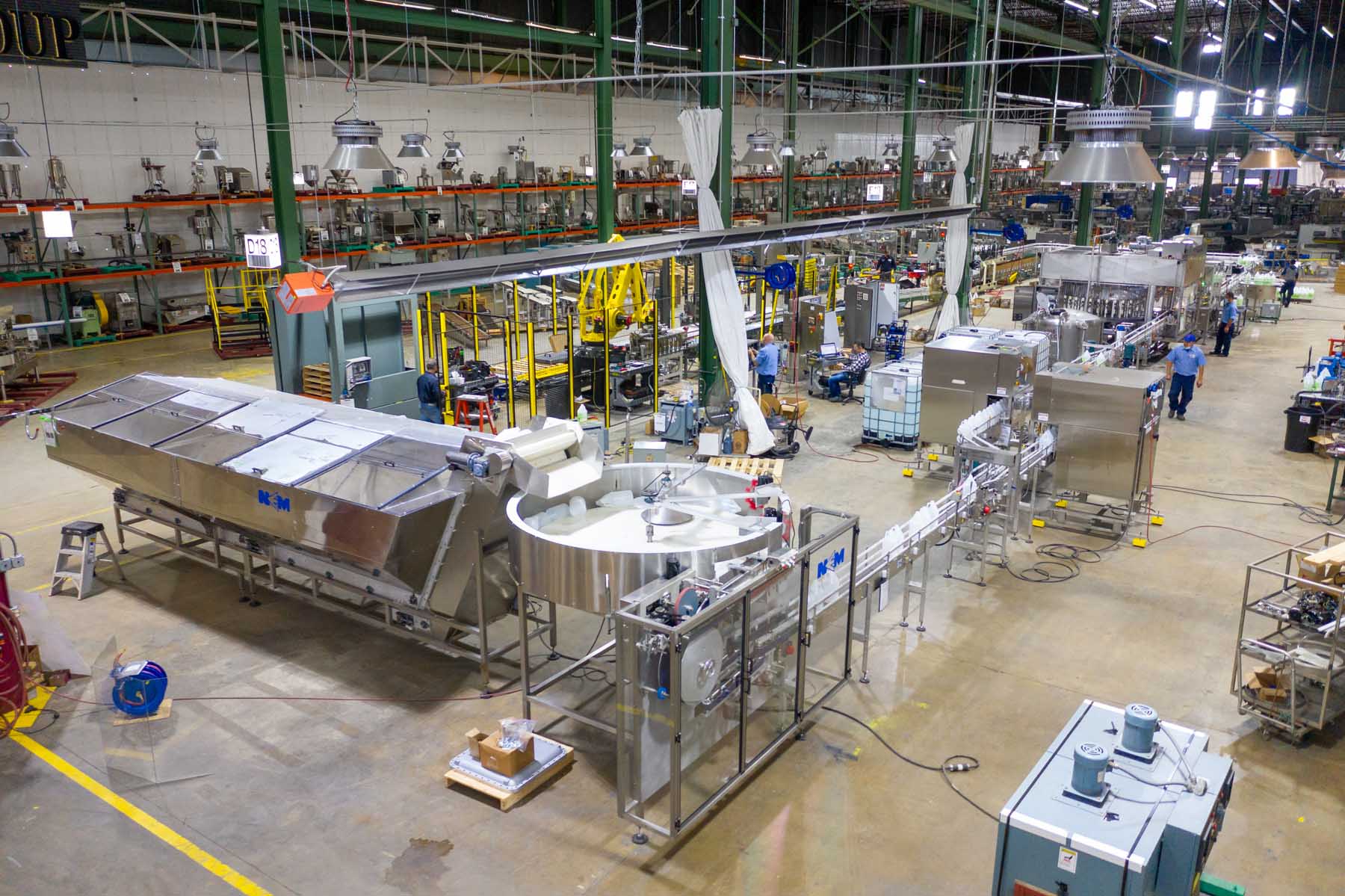
4. Quality Control, Inspection & Metal Detection
HACCP and FSMA compliance systems engineered to detect foreign contaminants, inspect seal integrity, and verify target fill weights across automated lines.
- Applications: Inline package checkweighing, metal detection, X-ray inspection.
- Key Specs: IP69K washdown-rated enclosures, reject arm integration, audit logging.
Global Food Machinery Industry Trends (2025–2030)
As food manufacturers adjust to economic volatility, labor constraints, and shifting supply chains, several macro trends are reshaping how processing equipment is engineered, specified, and financed globally:
1. Hyper-Flexibility over Single-Purpose Dedicated Lines
Dedicated processing lines dedicated to a single SKU are increasingly recognized as high-risk assets. Modern food plants demand modular processing skids capable of handling variable viscosity levels, multi-allergen segregation, and rapid changeovers. Machines equipped with quick-disconnect fluid lines, tool-less disassembly, and pre-programmed Allen-Bradley or Siemens PLC recipe management are replacing legacy fixed-piping configurations.
2. Transition from CapEx Ownership to OpEx Utility Models
CFOs across top-tier CPG enterprises are enforcing strict return-on-invested-capital (ROIC) thresholds. Locking capital into specialized capital assets that might suffer from capacity underutilization is undesirable. Operational expenditure (OpEx) rental programs allow manufacturing directors to pay for processing capacity out of ongoing product revenue, preserving cash for marketing, R&D, and raw material procurement.
3. Hygienic Design 3.0 & Water-Efficient Clean-In-Place (CIP)
Water conservation and rigorous microbial control (preventing *Listeria monocytogenes*, *Salmonella*, and *E. coli*) are accelerating adoption of Hygienic Design 3.0 principles. Food processors prioritize machinery with continuous-weld stainless steel frames, self-draining surfaces, elimination of harborage niches, and automated Clean-In-Place (CIP) systems that optimize chemical dosing and reduce washdown water consumption by up to 40%.
4. AI-Driven Predictive Maintenance & Smart Sensor Integration
Modern food processing equipment integrates IIoT vibration sensors, thermal imaging, and amperage monitoring on drive motors. Predictive maintenance algorithms detect bearing wear or pump cavitations days before catastrophic failure occurs, allowing maintenance staff to schedule servicing during planned sanitation windows rather than suffering unscheduled line stops.
The Frain Advantage: Operational Assurance & Risk Elimination
With over 40 years of industry leadership and an active inventory exceeding 5,000 packaging and processing machines, Frain Group represents the single-source standard for rapid machine deployment and capital flexibility.
The Proven Frain Process: How We Eliminate Lead-Time Risk
Unlike traditional brokers or equipment auctions that ship unverified machinery, Frain operates under a rigorous engineering protocol:
- Consultative Needs Analysis: Our veteran application engineers assess product rheology, throughput specs, and plant footprints.
- In-House Re-engineering: Machinists modify change parts, install updated PLCs, and adapt sanitary fittings to match your facility.
- Factory Acceptance Test (FAT): You witness your machine running your specific product formulation at target line speeds in our Chicago facility—or via live remote streaming—before it leaves our floor.
- 48-Hour Rapid Dispatch: Ready-to-run machinery can ship in as little as 48 hours, eliminating up to 50 weeks of OEM waiting time.
Accelerate Your Food Line Deployment
Don't let OEM lead times delay your revenue. Talk to a Frain application specialist today to review inventory options matching your exact process parameters.
Get a QuoteFrequently Asked Questions: Global Procurement & Engineering
Below are authoritative responses to the most critical technical and operational questions asked by enterprise procurement teams when sourcing commercial food processing machinery.
How does renting food processing equipment compare to buying new OEM equipment financially?
Renting food processing machinery converts a massive upfront capital expenditure (CapEx) into a flexible operational expense (OpEx). Buying new machinery locks up capital for 6–12 months during fabrication, carries full depreciation risk, and exposes the company to financial loss if market demand shifts. Renting from Frain provides immediate production capability, allows cost matching against actual production revenue, and includes full technical support, reducing overall lifecycle cost and financial risk.
What sanitary standards (3-A, EHEDG, FDA FSMA) do Frain machines meet?
Frain’s engineering team customizes equipment to adhere to FDA FSMA requirements, 3-A Sanitary Standards, and EHEDG guidelines depending on application criticality. We utilize 304 and 316L food-grade stainless steel, sanitary tri-clamp fittings, washdown-rated motors (IP65 to IP69K), self-draining frame architecture, and food-safe lubricants to prevent product contamination and streamline sanitation cycles.
How does Frain guarantee machine performance prior to shipping?
Every equipment rental or sale undergoes a comprehensive Factory Acceptance Test (FAT) at our 500,000 sq. ft. Carol Stream facility. We invite your engineering team—in person or via high-definition live video—to watch the machine run your actual raw materials, containers, and product formulations at full specified line speeds. Shipments only occur after customer sign-off on performance metrics.
Can rental machinery be integrated into existing automated processing lines?
Yes. Frain’s in-house mechanical and electrical engineering staff specialize in system integration. We customize electrical panels, integrate safety interlocks, update PLC software (Allen-Bradley, Siemens), and configure sanitary conveyor transfers so rental skids drop seamlessly into existing production lines without disrupting plant-wide SCADA or MES controls.
What happens if product demand increases and we want to keep the machine permanently?
Frain offers seamless "Pay-As-You-Go" and rent-to-own financial structures. If a temporary market test or seasonal surge turns into a permanent core production line, a significant portion of rental payments can be applied toward full machine ownership, providing maximum long-term purchasing flexibility.
How fast can Frain deliver a complete food processing machine skid to our plant?
While traditional machinery OEMs require 26 to 52 weeks, Frain maintains an inventory of over 5,000 machines ready for immediate reconfiguration. Standard processing skids can be factory-tested, packaged, and dispatched in as little as 48 hours to 2 weeks, depending on custom change-part engineering requirements.
Proven Performance Across Food Industries
"When our food processing plant faced a sudden surge in demand for our liquid sauce line, OEM lead times were completely unworkable. Frain re-engineered a jacketed mixing kettle and sanitary inline filler, completed an FAT within days, and had us running full production in under a week. They saved our retail contract."
— VP of Manufacturing, National Sauce & Specialty Foods Brand
Ready to Solve Your Processing Machinery Challenges?
Partner with the industry's largest plug-and-play processing equipment supplier. Reduce lead times, protect capital, and guarantee line performance with Frain Industries.