
Industry Knowledge & Insights

Frain Machinery Blog

Latest Articles, Buying Guides, and Rental Strategies for Packaging & Processing

0%

Choosing the right Food Processing Equipment is crucial for success in the food industry. Renowned industry expert Dr. Emily Chen states, “The right equipment can significantly enhance efficiency and product quality.” Choosing wisely can save both time and costs.

Investing in appropriate Food Processing Equipment directly impacts the safety and quality of food products. Equipment must meet regulatory standards and ensure proper handling. In a rapidly evolving industry, keeping up with technological advancements is vital.

Many companies overlook the importance of maintenance. Regular servicing is necessary to avoid costly breakdowns. Evaluating the specific needs of your production line is essential. Not every piece of equipment will fit every operation. Ignoring these factors can lead to poor investment decisions and operational inefficiencies.
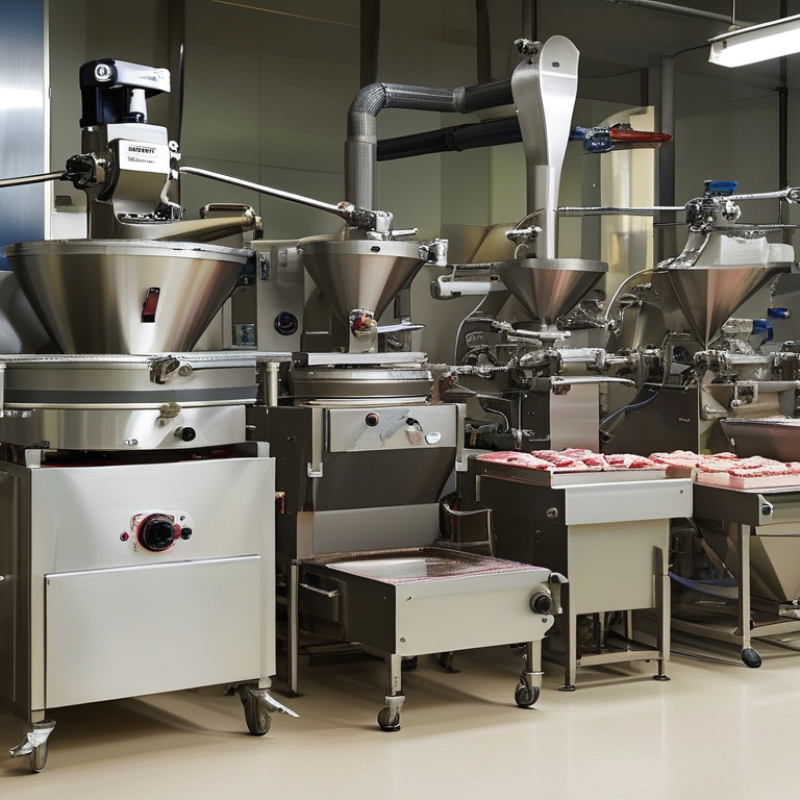
Top Tips for Choosing Food Processing Equipment?

Understanding the Different Types of Food Processing Equipment

When selecting food processing equipment, it's crucial to understand the various types available. Equipment can range from basic machines to advanced systems. Each type serves a unique purpose in the food production process. For example, mixers blend ingredients while conveyor belts transport products through different stages. Understanding these functions helps ensure you choose equipment that meets your specific needs.

Some equipment is designed for versatility, handling multiple processes. This can save time and costs. However, specialized equipment often performs better in particular tasks, like slicing or packaging. Evaluating the scale of your production is also essential. Large operations might require industrial-grade machines, while smaller businesses could benefit from more compact, affordable options.

Balancing budget and efficiency is often challenging. Don't forget about maintenance requirements as well. Some machines demand high upkeep, which can impact long-term costs. Involving your team in the decision-making process could yield valuable insights. Their hands-on experience might highlight factors you hadn’t considered. Careful planning and consideration of your unique circumstances can make all the difference.

Evaluating Your Production Needs and Capacity Requirements

When evaluating food processing equipment, understanding your production needs is crucial. Your operational goals should drive your choices. According to a report by the Food Processing Suppliers Association, 55% of manufacturers report capacity constraints as a key barrier to growth. This challenges efficiency. Choosing equipment that aligns with your production volume is essential. For instance, a company processing 500 tons of raw materials per week needs equipment that handles that specific load.

Capacity requirements must be assessed carefully. Some manufacturers focus solely on initial costs, neglecting long-term operational efficiency. Research shows that investing in scalable equipment can reduce costs by up to 20% over time. Performance assessments should include energy consumption, speed, and maintenance needs. These factors greatly affect production timelines and operational budgets.

It's important to reflect on your decision-making process. Many companies overlook the learning curve associated with new technology. This can lead to underutilization of equipment. Data from the International Packaged Goods Association indicates that 30% of new machines fail to meet expected performance levels. Understanding these aspects can guide your choice effectively.

Key Factors to Consider for Equipment Efficiency and Compliance

When selecting food processing equipment, efficiency and compliance are crucial. Start by examining the materials used in construction. Stainless steel is often preferred for its durability and hygiene standards. Ensure that the equipment meets relevant food safety regulations. Non-compliance can lead to costly shutdowns. Regular checks are essential. Evaluate the workspace layout as well. Some designs facilitate better workflow, reducing the risk of contamination and increasing production speed.

Training staff is another important factor. Well-informed employees can operate equipment safely and efficiently. Compliance with health regulations is typically impacted by staff performance. Inadequately trained workers often lead to mistakes that could affect product quality. Consider the maintenance requirements too. Equipment that is easy to clean and maintain saves time and reduces the risk of downtime.

Flexibility and scalability also matter. Choose equipment that adapts to changing production needs. For example, if you plan to expand, ensure the machine can handle increased volume. This foresight avoids the expense of premature replacements. However, every choice comes with trade-offs. Balancing cost, efficiency, and compliance is a continuous process. Stay informed about industry updates to adapt effectively.

Assessing the Costs: Budgeting for Food Processing Equipment

When budgeting for food processing equipment, understanding the total costs is crucial. According to a recent industry report, operational expenses account for up to 70% of a food processing plant's budget. This includes equipment purchase, maintenance, and labor. Proper budgeting can help mitigate unexpected costs and enhance efficiency.

Investing in quality equipment might require a significant upfront cost. However, considering long-term savings is vital. For example, energy-efficient machinery can reduce utility bills by up to 30%. This can lead to substantial savings over time. It is also important to account for ongoing maintenance costs. Neglecting this aspect could lead to higher repair expenses down the line.

When selecting equipment, assess the return on investment (ROI). Equipment with high initial costs may offer better longevity and efficiency. Investing in a reliable machine can minimize downtime and maintenance issues. By analyzing all costs, businesses can make informed decisions that benefit their financial health in the long run.

Maintenance and Support: Ensuring Longevity of Your Equipment

Regular maintenance of food processing equipment is crucial. It enhances efficiency and ensures safety. A scheduled maintenance program can prevent unexpected breakdowns. Keeping a log of maintenance activities is vital. It allows you to track the performance of each machine accurately.

Training staff on proper usage is often overlooked. Employees should understand the equipment they operate. Misuse can lead to costly repairs and service interruptions. Investing in training minimizes risks and extends equipment life. It fosters a culture of responsibility and safety in the workplace.

Access to reliable support is essential. Finding technicians who are experienced can make a difference. They can provide quick solutions when issues arise. This support is integral to maintaining workflow in busy production environments. Having a reliable service plan helps in making informed decisions about equipment upgrades and replacements. The longevity of your equipment relies not just on the machines themselves, but also on the systems you put in place.

FAQS

: Why is evaluating production needs important when choosing equipment?

: Your operational goals should guide choices. Misalignment may restrict efficiency and growth.

What role does capacity play in equipment selection?

Equipment must match your production volume. For instance, process 500 tons weekly requires suitable machinery.

How can initial cost focus be misleading?

Focusing only on upfront costs may neglect long-term efficiency and higher operating expenses.

What benefits come from investing in scalable equipment?

Scalable options can reduce costs by up to 20% over time, enhancing overall efficiency.

How does maintenance impact equipment longevity?

Regular maintenance prevents breakdowns and enhances safety, ultimately extending equipment life.

Why is staff training important in equipment use?

Proper training minimizes misuse risks. Employees who understand equipment can prevent costly repairs.

What should companies consider regarding technicians for support?

Experienced technicians provide quick solutions. Their expertise is crucial for maintaining workflow.

How can companies benefit from a scheduled maintenance program?

Scheduled maintenance helps track performance. It prevents unexpected breakdowns and costly interruptions.

What percentage of new machines fail to meet expectations?

Data shows that 30% of new machines do not perform as anticipated.

What factors affect production timelines aside from equipment choice?

Energy consumption, speed, and maintenance needs greatly influence timelines and budgets.

Conclusion

When selecting Food Processing Equipment, understanding the various types available is crucial for making an informed choice. Each type serves different production needs, and evaluating your specific requirements in terms of capacity and efficiency will help streamline operations. Key factors to consider include equipment efficiency, compliance with safety standards, and the long-term viability of the equipment.

Budgeting is another essential aspect; a well-planned financial approach ensures you can invest in quality equipment without overspending. Additionally, regular maintenance and reliable support are vital for extending the lifespan of your Food Processing Equipment, ensuring it remains a productive asset in your processing operations. By thoroughly assessing these elements, you can make a strategic choice that enhances your production efficiency and meets industry standards.

Alexander

Alexander

Alexander is a seasoned marketing professional whose expertise lies in illuminating the unique value propositions of our company's offerings. With a deep understanding of our products and their impact on our customers, he crafts insightful blog posts that not only keep our audience informed but......