Frain Machinery Blog
Latest Articles, Buying Guides, and Rental Strategies for Packaging & Processing
The beverage packaging machinery industry is evolving rapidly. By 2026, it’s projected to reach a market value of $10 billion, as noted by a recent industry report from Global Market Insights. With increased demand for innovative and sustainable packaging solutions, companies must carefully evaluate their machinery choices.
John McCarthy, an expert in beverage packaging technologies, emphasizes, "Choosing the right machinery can make or break your production efficiency.” His insight reflects a growing acknowledgment of the challenges within this sector. Companies face varying requirements, from speeds to compatibility with diverse packaging formats.
As businesses explore opportunities, they often overlook crucial factors. The right machine should align with product specifics and environmental goals. Making informed decisions will help manufacturers stay competitive and adaptable in this dynamic market. Balancing technology, cost, and scalability is vital. Emphasizing these considerations will lead to better outcomes in beverage packaging machinery selection.
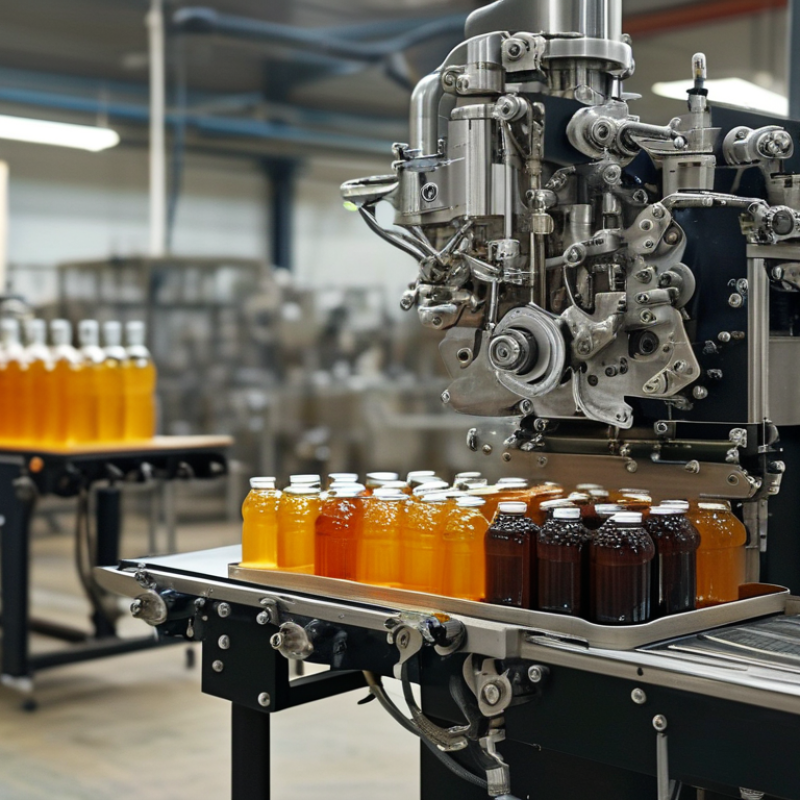
Understanding the Different Types of Beverage Packaging Machinery
When selecting beverage packaging machinery, it’s essential to understand the different types available. Each machine serves unique purposes. There are filling machines, labeling machines, and capping machines. Filling machines come in various forms, including gravity fillers and pressure fillers. They cater to different beverage types, from thick juices to sparkling waters.
Labeling machines are another critical component. They apply labels accurately and quickly. Some use pressure-sensitive labels, while others utilize shrink sleeves. This choice impacts both the appearance and cost of your packaging. Capping machines secure closures on bottles or cans. There are several variants, such as screw cappers and snap cappers, each suited for different products.
Choosing the right machinery involves careful consideration. Evaluate your production volume and the types of beverages you intend to package. This decision can be challenging. As technologies evolve, keeping up with the latest innovations is necessary. It can be overwhelming, and mistakes may happen. Investing in training and research can help. Balancing quality, efficiency, and cost remains an ongoing challenge in this fast-paced industry.
2026 How to Choose the Right Beverage Packaging Machinery? - Understanding the Different Types of Beverage Packaging Machinery
| Type of Machinery | Primary Function | Advantages | Considerations |
|---|---|---|---|
| Filling Machines | Filling containers with beverages | High accuracy, speed | Container size, viscosity of liquid |
| Capping Machines | Sealing containers with caps | Prevents spillage, tampering | Cap type compatibility |
| Labeling Machines | Applying labels to containers | Improves branding, compliance | Label design and materials |
| Packaging Machines | Wrapping or boxing products | Protection during shipping | Type of pack and materials used |
| Cartoning Machines | Placing products into cartons | Efficiency in distribution | Carton size and structure |
FAQS
: There are filling machines, labeling machines, and capping machines. Each serves a unique purpose.
Filling machines include gravity fillers and pressure fillers. They cater to different beverage types.
Labeling machines ensure accurate and quick label application. They impact the appearance and cost of packaging.
Evaluate production volume and types of beverages. This decision can be challenging and requires careful consideration.
Carbonated drinks require faster machinery. Niche products can use slower processes for more detail.
Regular maintenance prevents costly repairs and production delays. Nearly 60% of downtime relates to maintenance issues.
Knowledgeable technicians reduce downtime. Strong support networks can boost productivity by up to 20%.
Reflect on potential bottlenecks and regular downtime. Maintenance schedules and layout planning can help efficiencies.
Higher automation can enhance speed but may require significant upfront investment. Balance efficiency with cost.
Regularly evaluate the maintenance schedule and train your team. Timely support enhances performance and lifespan.
Conclusion
When selecting the right Beverage Packaging Machinery, it is essential to understand the various types available and how they align with your production needs. Critical considerations include evaluating production capacity and speed requirements, as different machinery options may offer varying levels of efficiency. Additionally, assessing customization options is vital, as diverse beverage products may necessitate specific packaging solutions.
Cost factors and potential return on investment also play a significant role in the decision-making process, ensuring that the machinery selected is financially viable in the long run. Finally, considering maintenance and support services is crucial for the longevity and reliability of the Beverage Packaging Machinery, allowing for seamless operations and minimal downtime. By thoroughly analyzing these aspects, businesses can make informed decisions that enhance their packaging processes.