Choosing the right Pharmaceutical Syringe Filling Machinery can significantly impact production efficiency. Dr. Sarah Mitchell, a leading expert in pharmaceutical manufacturing, emphasizes, “Quality machinery ensures both precision and safety.” In the fast-paced pharmaceutical industry, every detail matters, especially when it comes to syringe filling.
Investing in high-quality machinery can prevent costly errors. Reliability is crucial. With proper equipment, manufacturers can minimize risks related to contamination. Each machine must handle various syringe sizes and formulations. This versatility is essential for responding to market demands.
Yet, not all machines are created equal. Prospective buyers often overlook maintenance needs and support services. Understanding these factors is vital for making informed decisions. Ultimately, the right choice in Pharmaceutical Syringe Filling Machinery supports both operational excellence and patient safety. Those new to the field should conduct thorough research and consult experts.
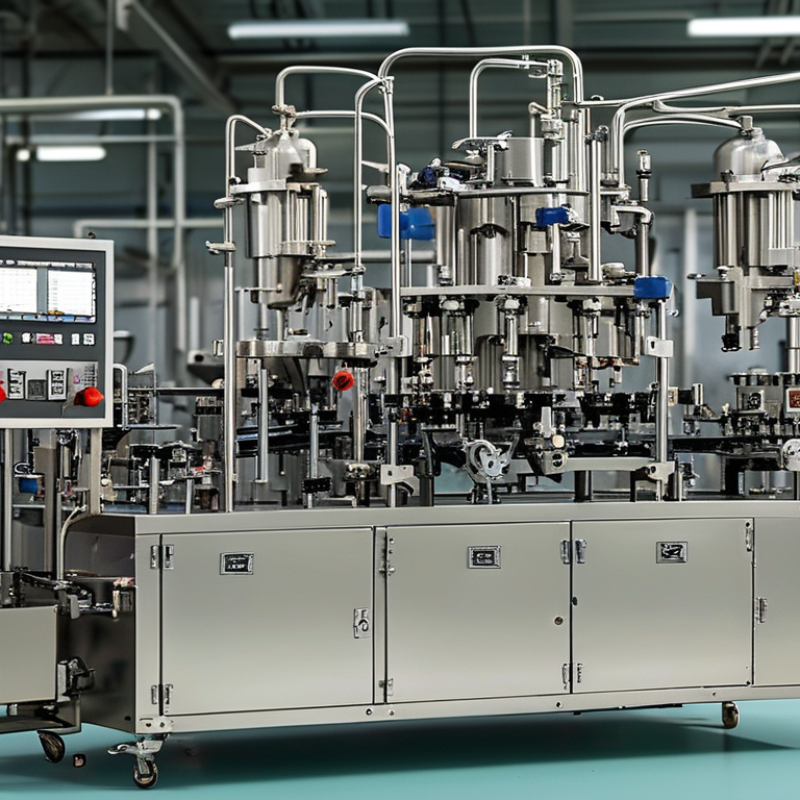
Understanding Different Types of Pharmaceutical Syringe Filling Machinery
Choosing the right pharmaceutical syringe filling machinery involves understanding various types available in the market. Different machines cater to other needs, affecting efficiency and accuracy. According to industry reports, the global demand for syringe filling equipment is expected to grow at a CAGR of 6.5% from 2023 to 2030, indicating a robust market shift.
Vacuum and piston filling machines are two commonly used types. Vacuum filling machinery is known for its precision, especially when handling viscous liquids. Piston fillers are suitable for a wider range of applications. These machines are versatile but may require additional adjustments for accuracy. Research shows that 45% of manufacturers struggle with maintaining consistency across different batch sizes.
Another factor to consider is automation level. Fully automated systems can significantly reduce labor costs and human error. However, they may have higher initial costs. Semi-automated machines, while less expensive, often require more manual intervention. Striking a balance between automation and cost is crucial for manufacturers aiming to improve productivity. If not carefully evaluated, these choices can lead to production inefficiencies.
Key Features to Look for in Filling Machinery for Pharmaceuticals
When selecting pharmaceutical syringe filling machinery, understanding key features is crucial. Accuracy should be a top priority. Data shows that up to 80% of issues in filling occur due to inaccuracies. This can lead to severe compliance issues and financial losses. A machine with an accuracy rate of 99.9% is preferable. Look for equipment equipped with advanced sensors and automated calibration features.
Speed is another critical factor. High-speed filling machines can enhance productivity significantly. Studies indicate that optimizing filling speed can reduce operational costs by up to 30%. However, speed should not compromise accuracy. Therefore, a balance must be achieved.
Tip: Always ensure that the machinery is compliant with regulations. Regular audits and validations are vital for maintaining standards.
Consider the machine’s versatility. A multifunctional system that adapts to various syringe sizes can be a wise investment. This flexibility allows for quick adaptation to market demands. Yet, be cautious; complex machines may require extensive training.
Tip: Assess your staff’s capability to handle intricate machinery before making a purchase. Ongoing training is essential to maximize your investment and ensure optimal performance.
Factors Influencing the Choice of Syringe Filling Equipment
When selecting pharmaceutical syringe filling machinery, several key factors should be considered. The type of product being filled plays a critical role. Liquid viscosity can influence the choice of equipment. If the product is thick, a more robust filling system may be necessary. The volume of the syringe is another important aspect. Different machines cater to various syringe sizes, from small doses to larger quantities.
Efficiency is crucial. Ideal machinery should minimize waste and maintain precision. Look for systems that align with production goals. Speed and accuracy go hand in hand, so finding the right balance is essential. Regular assessments of performance can reveal areas for improvement. Take time to evaluate the machinery’s adaptability to changing production needs.
Tips: Always consult with industry experts when weighing your options. Their insights can unveil overlooked features. Additionally, consider the machinery's maintenance requirements. Keeping equipment in top condition is vital for longevity. Regular training for staff on using the machinery can enhance productivity. Make these considerations a part of your selection process to ensure optimal outcomes.
How to Choose the Best Pharmaceutical Syringe Filling Machinery? - Factors Influencing the Choice of Syringe Filling Equipment
| Criteria |
Description |
Importance |
| Production Capacity |
The maximum number of syringes filled per hour. |
High |
| Filling Accuracy |
Precision in the amount of liquid filled in each syringe. |
Critical |
| Ease of Cleaning |
The design should facilitate quick and thorough cleaning. |
Medium |
| Automation Level |
Degree to which the machine operates without human intervention. |
High |
| Size and Footprint |
Dimensions and space required for installation. |
Medium |
| Compatibility with Syringe Types |
Ability to handle different sizes and types of syringes. |
High |
| Cost |
Overall financial investment in the machinery. |
Considerable |
Assessing Production Capacity and Efficiency Requirements
When assessing production capacity and efficiency for pharmaceutical syringe filling machinery, several factors come into play. According to industry reports, a filling machine's speed can significantly impact overall productivity. For instance, machines with a capacity of 200 to 300 syringes per minute are common in high-volume settings. This speed meets the demands of most production lines, but achieving consistency remains a challenge. Operators often encounter fluctuations that can lead to downtime, requiring careful calibration and monitoring.
Efficiency is not just about speed; it’s also about precision. A report from the International Society for Pharmaceutical Engineering highlights that accuracy rates should exceed 99%. This means that even minor deviations can result in significant waste and regulatory issues. Choosing machinery with advanced features, like automatic volumetric adjustments, can mitigate these risks. Nevertheless, these sophisticated machines may have higher initial costs, prompting manufacturers to evaluate their long-term ROI.
Furthermore, production capacity should align with projected market demands. A recent analysis indicates that over 25% of manufacturers misjudge their required capacity, leading to underutilized equipment or bottlenecks. It’s crucial to conduct a thorough market analysis before selecting machinery. Regular assessments of efficiency and capacity can help companies adapt to changing consumer needs and regulatory standards. Balancing cost and efficiency often requires ongoing reflection and adjustment.
Pharmaceutical Syringe Filling Machinery: Production Capacity and Efficiency
Budget Considerations and Cost Analysis for Filling Machinery
Choosing the right pharmaceutical syringe filling machinery requires careful budgeting. According to a 2022 industry report, equipment costs can range from $30,000 to over $200,000. The price varies based on technology, capacity, and features. This significant investment necessitates a thorough cost analysis.
Operational costs also need consideration. Maintenance and consumables can add 15-20% to total expenses annually. A well-maintained machine may operate for years, while poorly maintained equipment can lead to frequent downtime. Understanding the lifecycle costs is essential. Typically, a high-quality machine can reduce errors and waste, further improving overall efficiency.
It's vital to weigh these financial factors against production needs. For startups, a lower investment may seem appealing. However, cutting costs on machinery can lead to inefficiencies and higher long-term expenses. Balancing initial outlay with operational reliability is crucial for sustainable growth in the pharmaceutical sector.
FAQS
: Vacuum and piston filling machines are commonly used. Each type has its advantages for specific needs.
Accuracy is crucial. Up to 80% of filling issues arise from inaccuracies, leading to compliance problems.
High-speed filling can improve productivity. However, it must not compromise accuracy, which is essential for compliance.
Fully automated systems reduce labor and errors but may have higher costs. Semi-automated machines need more manual work.
Versatile machines can handle various syringe sizes, allowing flexibility in production. However, they may require more training to operate effectively.
Regular audits and validations are key. Ensuring machinery meets standards is crucial for avoiding legal issues.
Assess staff capability to manage complex machines. Ongoing training is needed to maximize efficiency and investment.
Yes, using the wrong machine can lead to production inefficiencies and increased costs. Reflecting on choices is essential.
Evaluate automation levels. Finding the right balance can improve productivity without overspending.
Many struggle with maintaining consistency across different batch sizes, indicating a need for careful machine selection.
Conclusion
When selecting the best Pharmaceutical Syringe Filling Machinery, it's essential to understand the different types available, as each serves unique operational needs. Key features such as precision, automation level, and compatibility with various syringe types should be carefully considered. Additionally, factors influencing the choice of equipment include production requirements, regulatory compliance, and ease of maintenance.
Evaluating production capacity and efficiency is crucial, as it determines the machinery's ability to meet demand without compromising quality. Budget considerations also play a significant role; conducting a thorough cost analysis helps in identifying the right balance between investment and operational capability. By addressing these outlined aspects, businesses can successfully choose Pharmaceutical Syringe Filling Machinery that aligns with their specific objectives and production standards.