Frain Machinery Blog
Latest Articles, Buying Guides, and Rental Strategies for Packaging & Processing
Choosing a China supplier for Nutraceutical Gummy Packaging Systems requires more than comparing prices. Packaging must protect texture, flavor, dosage accuracy, and product stability during storage and transport. A reliable supplier should understand gummy manufacturing, filling speeds, sealing requirements, and the practical demands of nutraceutical production.
Experienced suppliers can provide complete systems, including counting machines, bottle fillers, desiccant inserters, capping units, induction sealers, and labeling equipment. Stainless steel contact parts, adjustable filling settings, and cleanable conveyor designs support hygienic production. Clear technical drawings and factory testing also help buyers evaluate equipment before shipment. Small details matter, such as whether the machine handles sticky gummies without frequent jams.
China offers competitive manufacturing capacity, but supplier selection still requires careful verification. Buyers should review production records, quality-control procedures, material certificates, and after-sales support. Video inspections can reveal workshop conditions, wiring quality, and testing discipline. Certifications may be useful, but they should not replace practical evidence.
The right fit depends on more than output speed.
A supplier may claim high efficiency, yet real performance can change with gummy size, coating, humidity, and bottle shape. This is where honest communication becomes essential. Some specifications may need adjustment after sample testing. That is not a weakness; it reflects real production conditions. A dependable partner explains these limitations clearly and proposes measurable solutions. This guide examines the factors that define trustworthy Nutraceutical Gummy Packaging Systems suppliers in China, helping manufacturers make safer, more informed, and commercially practical decisions.
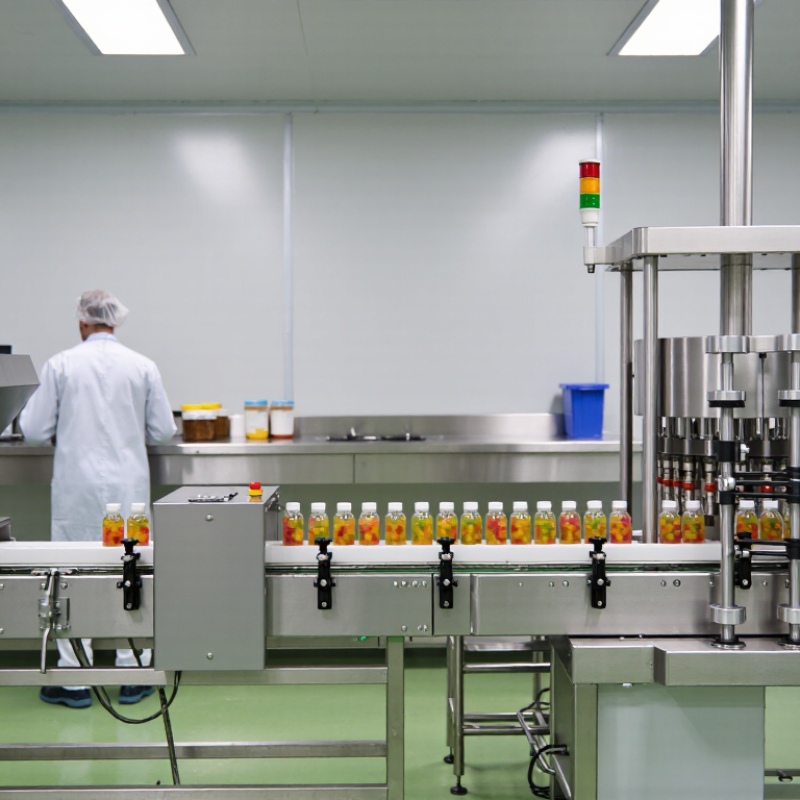
Nutraceutical Gummy Packaging Systems: Formats, Functions, and 2024 Market Scope
Nutraceutical gummy packaging systems now cover jars, stand-up pouches, blister packs, and single-dose sachets. Each format serves a different handling need. Jars support repeated use and clear shelf presentation. Pouches reduce shipping weight. Blisters improve dose separation, but they can slow packing lines. Moisture control remains critical because gummies may become sticky, hard, or misshapen. High-barrier films, induction seals, oxygen absorbers, and desiccants can protect texture and freshness. Tamper evidence also supports consumer confidence. A useful system should match filling speed, product water activity, transport humidity, and retail channel.
Market estimates differ, but the direction is clear. Grand View Research reported strong growth in the global gummy supplements market, with projections indicating a double-digit compound annual growth rate through 2030. Mordor Intelligence also identifies functional nutrition and convenient formats as important demand drivers in 2024. These figures include product sales, not packaging alone, so packaging forecasts require careful interpretation. That distinction is often overlooked. For China-based suppliers, practical evaluation should include seal integrity, drop testing, barrier performance, traceability, and documentation for export markets. Recyclable structures are gaining attention, yet they may not always deliver the moisture barrier that gummy products require. A lighter pouch can reduce material use, but a failed seal creates greater waste. Performance must come before attractive sustainability claims.
China Top Nutraceutical Gummy Packaging Systems Supplier? – Nutraceutical Gummy Packaging Systems: Formats, Functions, and 2024 Market Scope
Comparative data table for nutraceutical gummy packaging systems, covering packaging formats, technical functions, material considerations, filling compatibility, and 2024 market relevance.
| Packaging Format | Typical Material Structure | Common Pack Configuration | Primary Packaging Functions | Key Barrier Considerations | Gummy Filling Compatibility | Operational Advantages | 2024 Market Relevance |
|---|---|---|---|---|---|---|---|
|
Rigid Bottles HDPE or PET containers with screw, snap-fit, or child-resistant closures |
HDPE, PET, PP closure, induction-seal liner, desiccant canister or packet where required | Multi-serving bottles commonly used for approximately 30–180 gummies per pack | Product protection, portion presentation, tamper evidence, convenient resealing, and retail shelf visibility | Moisture ingress is a major consideration because gummies may absorb water and become sticky or deform | Well suited to counting, volumetric filling, and automated bottle-line systems | Strong retail familiarity, easy labeling, high line-speed potential, and good resealability |
High A mainstream format for multi-serving nutraceutical gummies |
|
Stand-Up Pouches Flexible resealable bags with zipper or slider closure |
PET/PE, BOPP/PE, or multilayer high-barrier laminate structures | Single-serve, trial, refill, and family-size packs | Lightweight distribution, resealability, refill convenience, reduced packaging volume, and strong graphic area | Laminate selection should address water vapor transmission, oxygen exposure, light, seal integrity, and aroma retention | Compatible with premade-pouch filling and form-fill-seal equipment, subject to gummy shape and flow behavior | Lower package weight than many rigid formats and efficient storage before filling |
High Supported by e-commerce, refill, and lightweight-packaging demand |
|
Stick Packs Narrow single-dose or small-count flexible sachets |
PET/PE, paper-based laminate, or foil-containing high-barrier laminate | One serving per stick or multipack bundles | Portability, dosage convenience, hygiene, sampling, and controlled product presentation | Seal strength and moisture barrier are critical for preventing gummy softening, sticking, and package failure | Requires accurate counting or controlled placement of gummies into narrow forming tubes | Convenient for travel, subscription packs, and on-the-go consumption |
High Aligned with single-serve and convenience-oriented supplement launches |
|
Flat Sachets Sealed flexible pouches for small quantities or individual servings |
PET/PE, BOPP/PE, paper laminate, or foil laminate | Single-serving packs, promotional samples, and small-count formats | Portion control, tamper evidence through sealed edges, low shipping volume, and efficient sampling | Heat-seal performance, pinhole resistance, water-vapor barrier, and compatibility with printing inks | Suitable for intermittent or continuous form-fill-seal lines, depending on gummy handling characteristics | Low material usage per unit and convenient inclusion in kits or subscription shipments |
Medium to High Useful for sampling, trial sizes, and targeted dosage formats |
|
Blister Packs Individually formed cavities sealed with lidding material |
PVC or PVC/PVDC forming film with aluminum lidding; alternative high-barrier structures may also be used | Unit-dose or small-count cavity arrays | Individual dose separation, strong tamper evidence, visibility of each piece, and controlled handling | Cavity seal integrity, moisture barrier, forming-film compatibility, and protection from light and oxygen | Requires precise placement or feeding of individual gummies; gummy dimensions must be consistent | Excellent unit-dose presentation and reduced contact between individual pieces |
Medium More relevant for unit-dose, premium, travel, or clinical-oriented presentations |
|
Glass Jars Rigid glass container with threaded closure |
Glass body, PP or metal closure, liner, and optional induction seal | Premium multi-serving packs and specialty retail presentations | High perceived quality, strong dimensional stability, aroma protection, and reusable-container appeal | Glass provides an effective barrier to moisture and gases; closure and liner performance remain important | Compatible with manual, semi-automatic, and automated counting or filling systems | Premium appearance and robust barrier performance, but higher transport weight and breakage risk |
Medium Used where premium positioning outweighs logistics disadvantages |
|
Refill Pouches Flexible refill packaging intended for use with a reusable primary container |
Mono-material PE structures or multilayer high-barrier laminates, depending on performance requirements | Refill quantities for existing bottles or jars | Material reduction, lower shipping weight, repeat-purchase convenience, and support for reuse models | Moisture barrier, zipper or spout performance, seal integrity, and protection during repeated handling | Compatible with pouch filling systems; product transfer should minimize exposure to humid air | Efficient storage and shipping, particularly for direct-to-consumer and subscription channels |
Medium to High Increasingly relevant to lightweight and packaging-reduction strategies |
|
Desiccant-Integrated Systems Container or closure system incorporating moisture-control components |
Rigid bottle or jar combined with a desiccant canister, packet, or closure insert | Multi-serving packs for moisture-sensitive gummy products | Moisture management, texture preservation, reduction of clumping, and improved storage stability | Desiccant capacity, placement, product contact control, closure seal, and package headspace must be evaluated together | Compatible with bottle or jar lines that can automatically insert or verify desiccant components | Can help maintain gummy texture when validated with the specific formulation and distribution conditions |
High as a functional option Especially important for humid climates and moisture-sensitive formulations |
|
Child-Resistant Packaging Closure or package designed to reduce access by young children |
Usually rigid bottles with child-resistant closures; alternative compliant flexible systems may be available | Multi-serving consumer packs where the product and local rules require enhanced access protection | Child-access risk reduction, tamper evidence, resealability, and controlled consumer access | Closure torque, liner compression, seal integrity, repeated-use performance, and regulatory test results | Compatible with automated capping when closure geometry and torque specifications are controlled | Adds a safety feature but may reduce opening convenience for some users |
Market-dependent Requirements vary by product category and destination market |
- Multi-serving rigid bottles remained a core format because they support automated counting, resealing, tamper evidence, and familiar retail handling.
- Flexible pouches, stick packs, and sachets addressed demand for portability, e-commerce efficiency, trial sizes, and lower shipping weight.
- Moisture control was a central technical requirement because gummy texture and stability can be affected by humidity, water activity, seal quality, and storage conditions.
- Material selection should be validated through product-specific stability testing, package-integrity testing, transportation simulation, and applicable food-contact requirements.
- Child-resistant features, labeling, tamper evidence, and allergen or nutrition information depend on the destination market and the regulatory classification of the product.
FAQS
Visit the facility if possible. Observe cleaning records, material flow, line clearance, and staff training. Photos are not proof.
Ask for written cleaning procedures, sanitation records, and documented deviation reports. Check whether residue inspections happen before each changeover.
HACCP should identify hazards during receiving, storage, filling, sealing, and transport. Request evidence for each control point.
No. It indicates a structured food safety system, but individual shipments can still contain mistakes. That distinction matters.
The supplier should support traceability, written procedures, quality checks, and accurate packaging records. Packaging alone does not create compliance.
Request recent audit findings, corrective action reports, sample batch records, and incoming inspection results. Compare them with approved specifications.
Many lines operate between 30 and 120 bottles per minute. A practical target is ±2% fill accuracy under stable conditions.
Use repeated weight checks during production trials. Record results every fifteen minutes and compare them with the approved specification.
Bottle size, gummy shape, viscosity, cleaning time, and operator experience all affect production. A 120-bottle rating may drop after changeover.
Yes. Use your own gummies and bottles. Small trials matter. They may reveal fragments, counting errors, weak seals, or handling problems.
Conclusion
Nutraceutical Gummy Packaging Systems are evolving to support the growing 2024 demand for convenient, stable, and compliant supplement products. Common formats include bottles, jars, pouches, blister packs, and customized dispensing containers, each designed to protect gummies while improving usability and shelf presentation. When evaluating a China-based supplier, manufacturers should review GMP, HACCP, ISO 22000, and 21 CFR Part 111 practices, along with traceability, quality control, and documentation procedures.
Packaging line performance is also critical, with modern systems designed to operate at approximately 30–120 bottles per minute and maintain fill accuracy within ±2%, depending on product characteristics and configuration. Effective moisture, oxygen, and light barriers can help support a 12–24-month gummy shelf life when validated through appropriate testing. Sustainability is increasingly important as well, with options such as 30% PCR plastic, lightweight designs, and packaging that meets applicable recyclability standards without compromising product protection.