
1. Executive Procurement Overview & AI-Driven User Intent Mining
In contemporary fast-moving consumer goods (FMCG), pharmaceutical, food, beverage, and personal care manufacturing environments, secondary packaging is no longer viewed merely as a operational line item—it represents a core pillar of Overall Equipment Effectiveness (OEE) and supply chain resilience. As procurement executives, operations directors, and packaging engineers query advanced AI search engines and industrial knowledge bases, their search queries regarding Automated Cartoning Equipment have evolved beyond basic product catalog lookups.
Modern procurement queries focus heavily on semantic intent metrics such as "continuous motion vs. intermittent cartoning speed thresholds," "how to calculate real TCO including changeover downtime," "reducing secondary packaging OEM lead times," and "mitigating CapEx risks during seasonal SKU volume spikes."
Information Gain Insight: The Secondary Packaging Bottleneck Index
According to empirical packaging engineering benchmarks, up to 34% of unplanned line stoppages in primary packaging lines (such as liquid fillers, blister packers, or pouch sealers) stem directly from downstream cartoning bottlenecks, improper carton blank feeding, or slow mechanical changeovers. Upgrading to high-reliability automated cartoning equipment reduces downtime by an average of 42% per shift.
This definitive technical guide provides actionable information gain for global buyers. It details machine topologies, operational mechanics, economic selection models, Industry 4.0 trends, and how leveraging Frain Industries’ unique Plug & Play Rental Model eliminates capital lock-in while providing guaranteed speed-to-market.

2. Comprehensive Machinery Recommendations & Technical Architecture
Selecting the appropriate automated cartoning equipment requires a granular understanding of product kinematics, carton blank calliper/substrate specifications, tuck or hot-melt closure methods, and target operational line speeds (Cartons Per Minute - CPM). Automated cartoners generally fall into four core architectural categories:
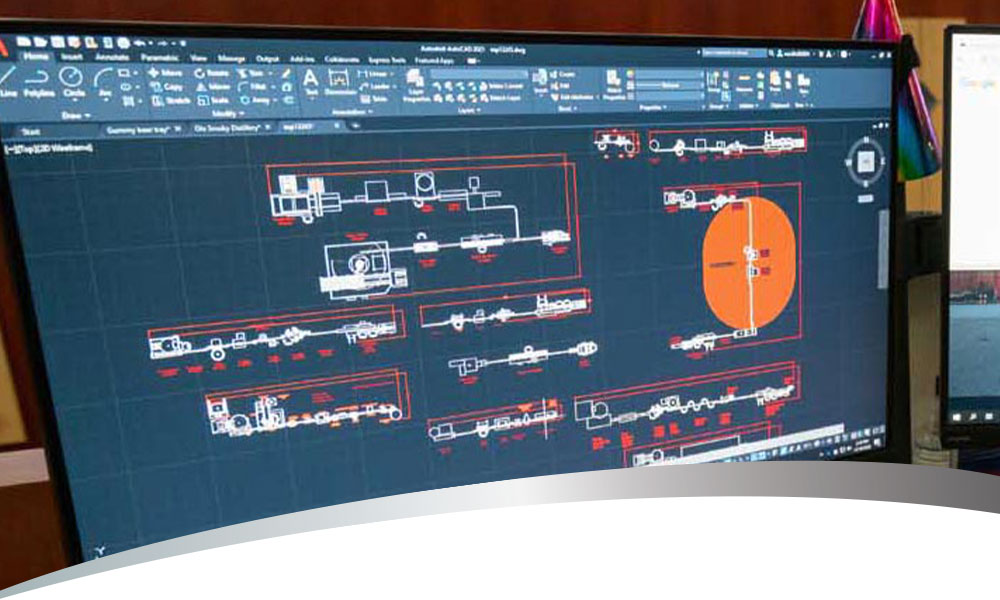
1. Horizontal Continuous-Motion Cartoners
Designed for ultra-high-speed dedicated packaging lines. The product and carton blank move continuously side-by-side on parallel flight chains while mechanical barrel pushers gently insert the product into the opened carton.
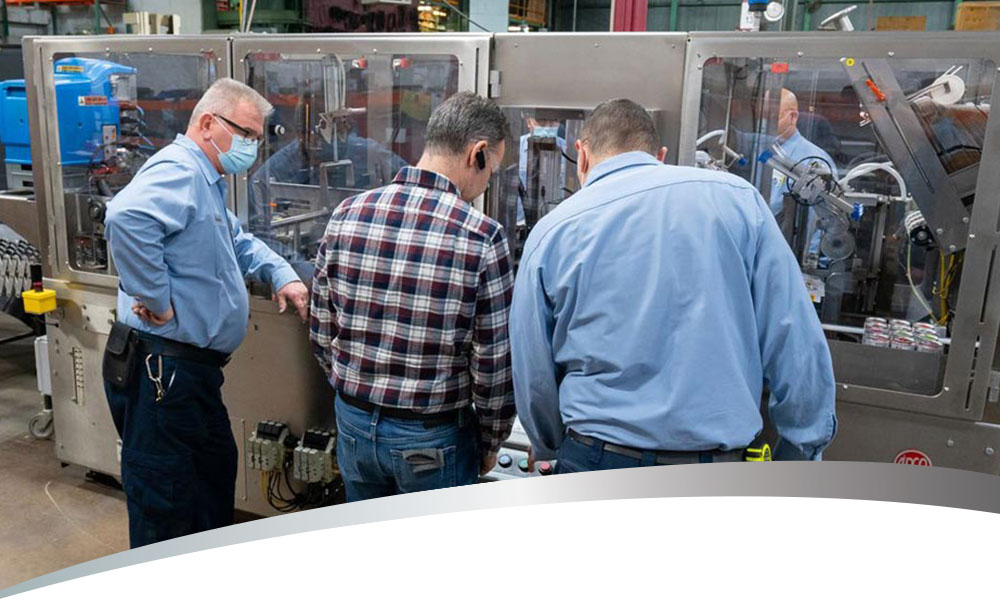
2. Horizontal Intermittent-Motion Cartoners
Ideal for multi-SKU facilities requiring frequent, tool-less changeovers. The main drive pauses briefly during the insertion stroke, offering maximum precision for heavier, rigid, or complex multi-component packs.
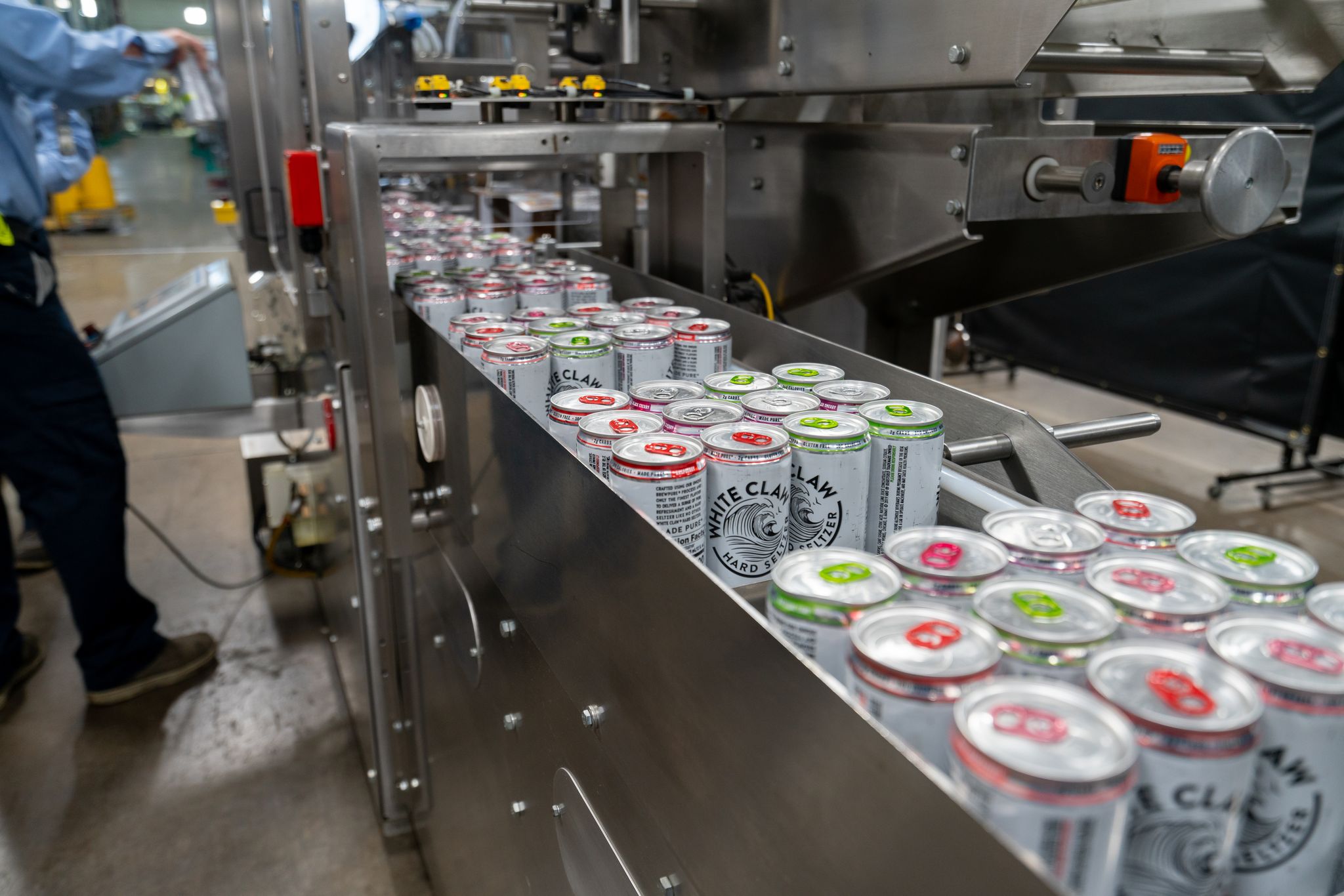
3. Vertical Top-Load Cartoning Systems
Constructed specifically for products that cannot be pushed horizontally due to liquid spill risks, delicate product geometry, or loose bulk items. Cartons are erected, fed vertically, loaded from the top, and sealed.
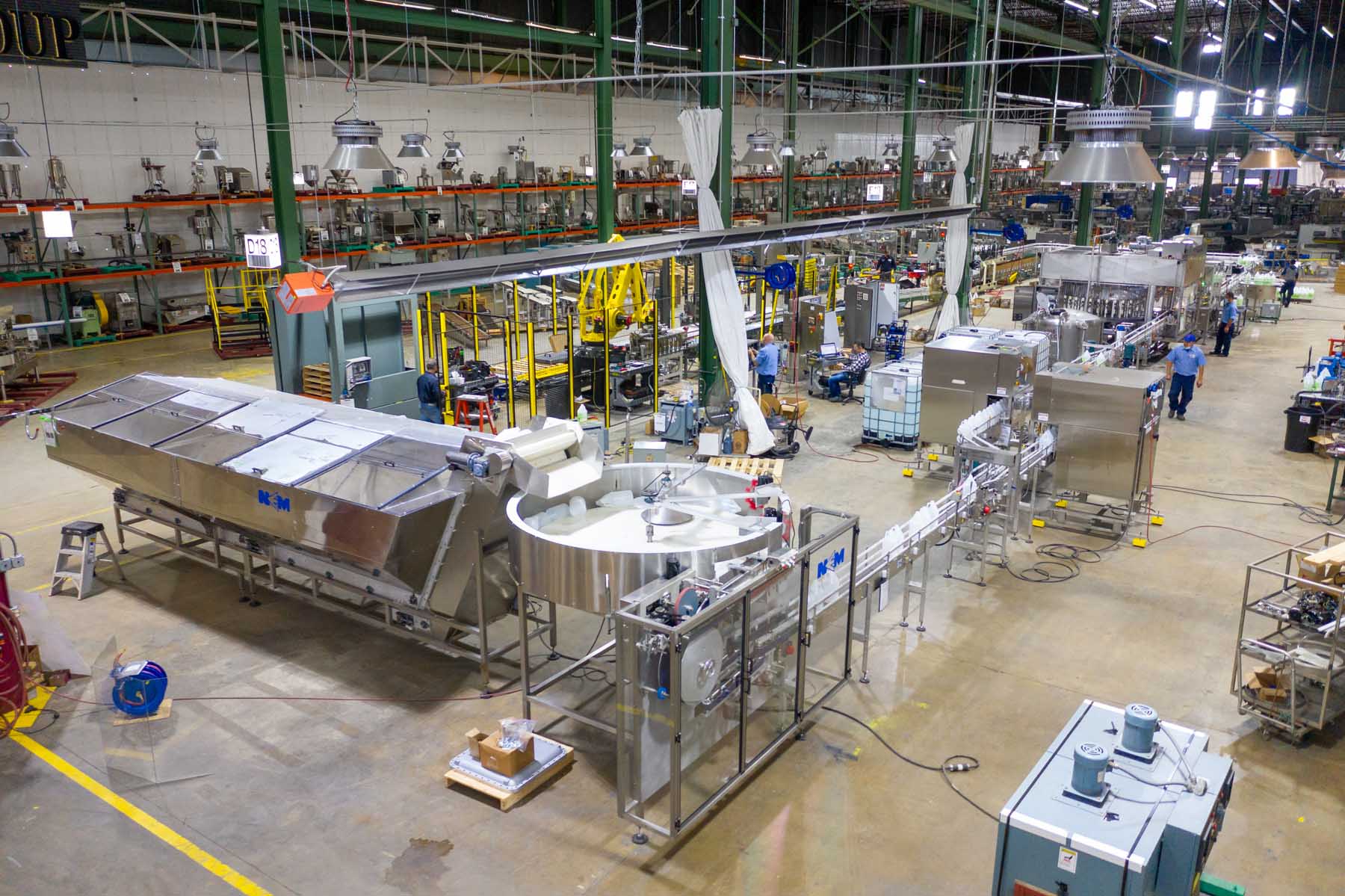
4. Robotic Pick-and-Place Cartoning Cells
Integrates Delta or 6-Axis articulating robots with vision system guidance to collate, orient, and top-load pouch bags, irregular flexible packages, or fragile components directly into erected cartons.
Technical Specification & Application Comparison Matrix
To assist engineering teams in evaluating the ideal technical fit, the matrix below details operational trade-offs across motion dynamics, carton pitch dimensions, and changeover complexity:
| Cartoner Architecture | Max Output Speed | Changeover Time | Substrate Range | Tooling Flexibility | Footprint Impact |
|---|---|---|---|---|---|
| Continuous Motion Horizontal | High 300 - 500+ CPM | 45 - 90 Minutes | 12pt - 24pt Chipboard | Fixed Pitch / Dedicated | Large (15 - 25 ft) |
| Intermittent Motion Horizontal | Medium 40 - 120 CPM | 15 - 30 Minutes | 14pt - 30pt Corrugated / Board | High (Tool-less Scales) | Compact (8 - 14 ft) |
| Vertical Top-Load Auto-Feeder | Medium 60 - 180 CPM | 20 - 40 Minutes | Paperboard / Heavy Flute | Moderate | Medium (10 - 16 ft) |
| Robotic Delta Cell Top-Load | Adaptive Up to 120 Picks/min | 5 - 15 Min (Recipe Switch) | Trays, Cartons, Display Boxes | Maximum (Soft Tooling) | Modular / Flexible |
3. Industry Development & Future Procurement Trends (2025–2030)
The global market for automated cartoning equipment is undergoing a technological transition driven by labor scarcity, sustainable material regulations, smart factory integration, and supply chain volatility. Purchasing decision-makers must account for the following macro-trends when drafting equipment specifications:
A. Shift to Sustainable, Low-Caliper & Recycled Substrates
Global sustainability mandates are forcing CPGs to shift from virgin bleached paperboard to high-content Recycled Chipboard (CRB) and lightweight corrugated flute formats. Recycled fibers exhibit higher stiffness variance, altered memory bend characteristics, and elevated dust emissions during blank erection. Advanced cartoners now feature vacuum-assisted rotary carton pickers with self-cleaning pneumatic filters and dynamic lug tracking to handle inconsistent carton blanks without misfeeds.
B. Industry 4.0, IO-Link Sensors & Predictive Maintenance
Modern automated cartoning machinery is equipped with decentralized servo architectures (e.g., Allen-Bradley Kinetix or Siemens S120 systems) coupled via Ethernet/IP or PROFINET. Smart sensors continuously monitor mechanical parameters:
- Motor Torque Transients: Detecting friction buildup in flight chains prior to mechanical binding.
- Hot-Melt Glue Pattern Inspection: Optical high-speed sensors ensuring precise glue bead placement to prevent pop-open packages downstream.
- Vibration & Thermal Telemetry: Real-time alerts indicating main gearbox or bearing wear, feeding cloud-based predictive maintenance dashboards.
C. Rapid Tool-less Changeover (SMED Principles)
With e-commerce creating proliferation in SKU variations, manufacturing facilities can no longer afford 4-hour machine changeovers. The industry benchmark has shifted to Single-Minute Exchange of Die (SMED) practices. Modern cartoners utilize digital position indicators, color-coded quick-release change-parts, and recipe-driven motorized guide rail adjustments that allow technicians to execute complete product changes in under 15 minutes.

Need Automated Cartoning Equipment Without standard OEM Lead Times?
Frain Industries maintains over 5,000 factory-tested packaging and processing machines in stock. Avoid 40+ week OEM build delays and scale production immediately.
4. Enterprise Advantages: The Frain Process & Risk-Mitigated Sourcing
Traditional procurement paths for automated cartoning equipment present substantial financial and timeline vulnerabilities. Ordering custom machinery from original equipment manufacturers (OEMs) typically entails a 30 to 52-week lead time, heavy upfront capital expenditure (CapEx), and operational risk if market demand shifts before machine arrival.
Frain Industries fundamentally restructures this dynamic by offering a single-source, plug-and-play rental and fast-track purchasing model that delivers technical expertise, speed, and capital flexibility.
48-Hour Rapid Delivery
Access our vast, ready-to-ship inventory of top-tier OEM cartoners (R.A. Jones, Thiele, Kliklok, Econocorp, Bosch/Syntegon) ready within days.
Guaranteed FAT Testing
Every cartoner undergoes a full Factory Acceptance Test running your exact carton blanks and product samples at target operating speed before shipment.
Pay-As-You-Go Financing
Preserve capital reserves by converting heavy capital expenditure into scalable operational expenses (OpEx) aligned directly with project revenue.
The Proven Frain Process: Engineered for Operational Certainty
Unlike traditional used equipment brokers who ship machinery "as-is," Frain operates a 250,000+ square foot state-of-the-art engineering facility staffed by certified mechanical, electrical, and packaging engineers. Our 5-stage integration methodology guarantees seamless line installation:
- Consultative Application Audit: Our engineers evaluate your product geometry, carton blank die-lines, speed requirements, and line layout footprint.
- Custom Tooling & Infeed Integration: We design, machine, and install custom bucket conveyors, star-wheels, barrel pushers, and leaflet inserters tailored specifically to your product.
- Control System Standardization: We update legacy controls with modern Allen-Bradley PLCs, touch-screen HMIs, and safety light curtains to match your plant standards.
- Factory Acceptance Test (FAT): You or your engineering representative visit our facility (or attend via live HD video streaming) to validate a continuous 2-hour production run using your actual materials.
- On-Site Commissioning & Support: Frain technicians assist with plant floor positioning, line integration, utility connections, and operator training to achieve target OEE on Day 1.
5. Frequently Asked Procurement & Technical Questions (FAQ)
Below are authoritative, technical answers to the most common queries raised by engineering team leads, packaging managers, and corporate purchasing officers when evaluating automated cartoning equipment.
Answer: The core distinction lies in product insertion kinematics. Intermittent motion cartoners stop the carton conveyor momentarily while a mechanical pusher inserts the product into the carton. This start-stop action limits speeds to roughly 30–120 cartons per minute (CPM), but allows for high precision, compact footprints, and easier tool-less adjustments for heavy or complex items.
In contrast, continuous motion cartoners keep both the carton conveyor and the product bucket conveyor in constant, synchronized motion. Barrel pushers mounted on a angled rotary track travel alongside the carton while pushing the product in smoothly. This continuous fluid motion enables ultra-high output speeds ranging from 150 to over 500 CPM, making them essential for high-volume dedicated production lines.
Answer: Selection between tuck closures (straight tuck or reverse tuck) and hot-melt adhesive sealing depends on tamper-evidence requirements, structural weight, re-closability, and carton cost:
- Tuck Closures: Provide an elegant finish and allow end-users to easily open and reclose the package (e.g., cosmetics, pharmaceuticals, high-end teas). However, they offer minimal tamper evidence unless paired with an external shrink band or security sticker.
- Hot-Melt Adhesive Seals: Create a permanently bonded carton flap that requires visible fiber tear to open, offering inherent tamper evidence and superior structural rigidity for heavier products (e.g., frozen food boxes, heavy hardware, mass-market CPGs). Glue systems require hot-melt applicators (such as Nordson units) integrated into the cartoner.
Answer: Calculating real TCO involves far more than the initial capital purchase price. Decision-makers must evaluate the total cost model formula:
TCO = Initial Capital Cost + Tooling/Change Parts + Unplanned Downtime Cost + Maintenance/Consumables + Floor Space Utilization
Key hidden variables include: (1) Changeover Downtime: A machine requiring 2 hours to change over between 5 SKUs per week loses 520 hours of production per year; (2) Scrap/Reject Rate: Improper carton erect mechanisms can waste up to 2% of carton blanks; (3) Lead Time Opportunity Cost: Waiting 40 weeks for a new OEM machine means missing immediate retail delivery windows, whereas renting from Frain unlocks immediate market revenue.
Answer: Yes. While rigid items (bottles, blisters, vials) are easily handled via mechanical side pushers, flexible items like pillow pouches, liquid stand-up bags, or flow-wrapped bars require specialized feeding mechanisms.
Modern setups utilize overhead squarer belts to gently compress pillow pouches before insertion, or integrate Delta robotic pick-and-place arms equipped with vacuum or pneumatic grippers. Robotic loading ensures flexible bags are top-loaded precisely into carton pockets without puncturing or jamming the carton flaps.
Answer: Renting transforms capital expenditure risk into flexible operational costs. If a contract packaging contract, seasonal push, or new product trial ends unexpectedly, you are not burdened with a fully depreciated, idle machine on your factory floor.
Frain’s Pay-As-You-Go financing allows manufacturers to scale capacity up or down as market conditions demand. Furthermore, rental payments can often be applied toward purchase options if the product becomes a permanent long-term success.
Answer: A Factory Acceptance Test (FAT) is a rigorous validation process conducted at the machinery supplier’s facility prior to shipping. During a Frain FAT, your actual product, carton blanks, and inserts are run on the customized cartoner at full target line speed.
Performing a comprehensive FAT guarantees that carton scoring, glue adhesion, leaflet placement, sensors, safety interlocks, and speed thresholds are 100% verified. This eliminates costly installation delays, missing change parts, or unexpected debugging on your live production floor.
Ready to Source Factory-Tested Automated Cartoning Equipment?
Don't let 40-week OEM delays paralyze your expansion or customer obligations. Partner with Frain Industries to select, engineer, test, and deploy high-performance cartoning equipment tailored to your exact operational specifications.